You do not need a storefront, a big budget or a design degree to start a crochet business.
You need one sellable product, a place to sell it, and a price that actually pays you for your hours, not just your yarn.
Most guides stop at "pick a niche and open an Etsy shop."
This one goes further: what happens when the pattern you used was never meant to be sold from, what Etsy and Instagram actually cost once fees stack up.
Also whether you legally need to register your business in India, and how long a piece genuinely takes to make once you are not rushing for a photo.
A fictional example used through this guide: Priya makes amigurumi toys and baby blankets from her home in Pune and wants to sell them online under the name hookedbypriya.com. She already has the skill.
What she is missing is everything around the skill, which is what this guide covers.
Crochet Business at a Glance
If you only read one section, read this one.
| Factor | What It Actually Looks Like |
|---|---|
| Starting cost | Rs 3,000 to Rs 8,000 for yarn, hooks and basic packaging |
| Time per item | 2 to 12+ hours depending on size, often underestimated by half |
| Where people sell first | Etsy or Instagram, before a dedicated website |
| Biggest legal trap | Selling items from a pattern marked personal use only |
| GST registration | Usually not required below Rs 40 lakh turnover, with exceptions |
| Realistic first-month revenue | Often close to zero; most sellers take 2 to 4 months to get a first sale |
How to Start a Crochet Business: Step-by-Step
Step 1: Pick a Crochet Niche You Can Actually Keep Up With
"Crochet items" is not a niche, it is an entire craft.
Narrow it to something you can restock without burning out: amigurumi toys, baby blankets and sets, market bags, scrunchies and small accessories, or home decor pieces like coasters and plant hangers.
Amigurumi and baby items tend to sell well because they are gift-driven and buyers are less price-sensitive.
Large blankets sell for more per piece but take far longer to make, which matters once you do the time math in Step 3.
Step 2: Check the Pattern's Commercial-Use Rights Before You List Anything
This is the step most beginner guides skip entirely, and it is the one that gets sellers into real trouble.
If you are using a pattern someone else designed, that pattern comes with its own terms, and those terms decide whether you are allowed to sell what you make from it, not general crochet etiquette.
Read the pattern's listing page or included file for one of three things.
Personal use only means you cannot sell finished items at all. Limited commercial use usually caps how many finished pieces you can sell and asks for credit to the designer.
No restriction stated is what most designers intend as permission to sell.
When a pattern does not say either way, message the designer directly instead of guessing.
Selling the finished item is treated very differently from reselling or sharing the pattern file itself, which is almost always prohibited regardless of the finished-item terms.
Patterns you write yourself have no such restriction, which is one reason many crochet sellers eventually design their own.
Step 3: Price Each Piece With Real Math, Not a Guess
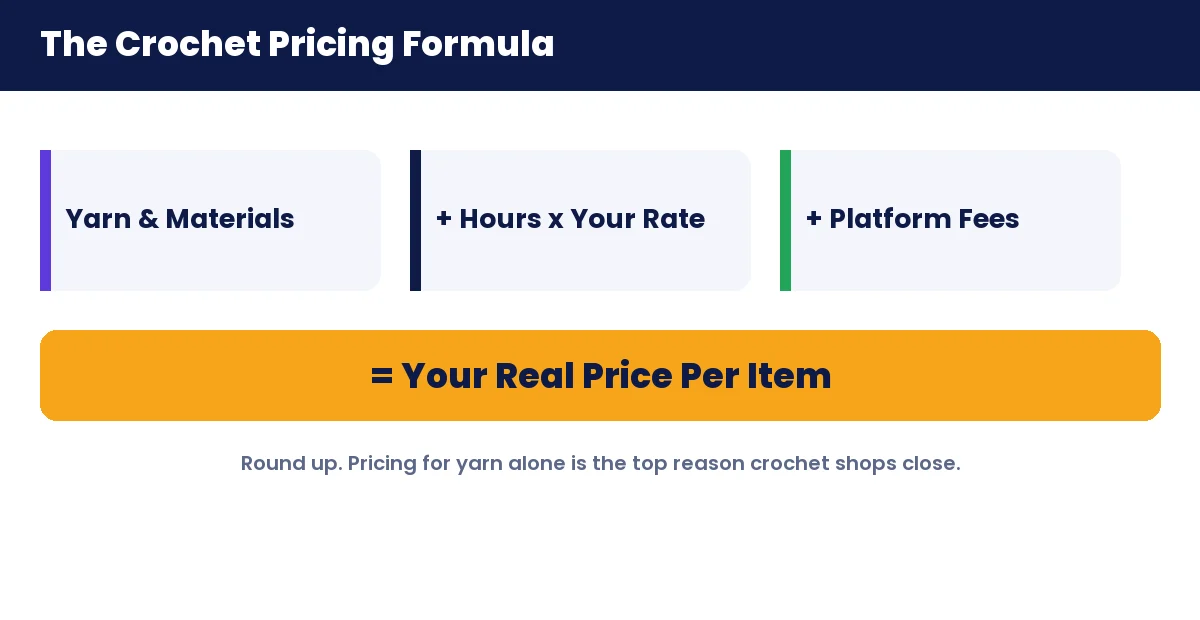
The formula that actually protects your margin: Price = Yarn and material cost + (Hours to make it multiplied by your hourly rate) + Platform fees, then round up.
Most new sellers price only for yarn, which is why so many crochet shops close within a year.
Pick an hourly rate before you price anything, even if it feels low at first, such as Rs 100 to Rs 150 an hour while you are still building speed.
A medium amigurumi that uses Rs 150 of yarn and takes 4 hours should be priced near Rs 750 to Rs 850 once your time and a sales platform's cut are both included, not Rs 300.
Step 4: Register a Domain and Get WordPress Hosting
You do not need your own website on day one, Etsy and Instagram cover that; our broader guide on how to make a website from scratch walks through the full process whenever you are ready.
But once orders become steady, a simple site gives you a real storefront you fully control, with no marketplace fees cutting into every sale.
Pick a domain that is short and easy to say out loud, then pair it with beginner-friendly WordPress hosting.
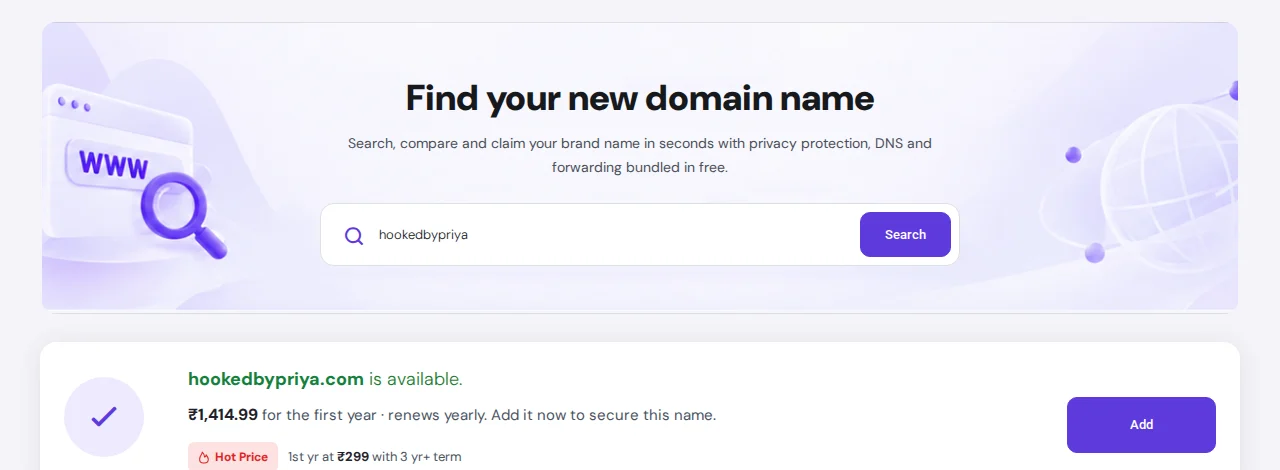
Once the domain is secured, choose a hosting plan sized for a single small storefront rather than a high-traffic store, since you can always upgrade later.
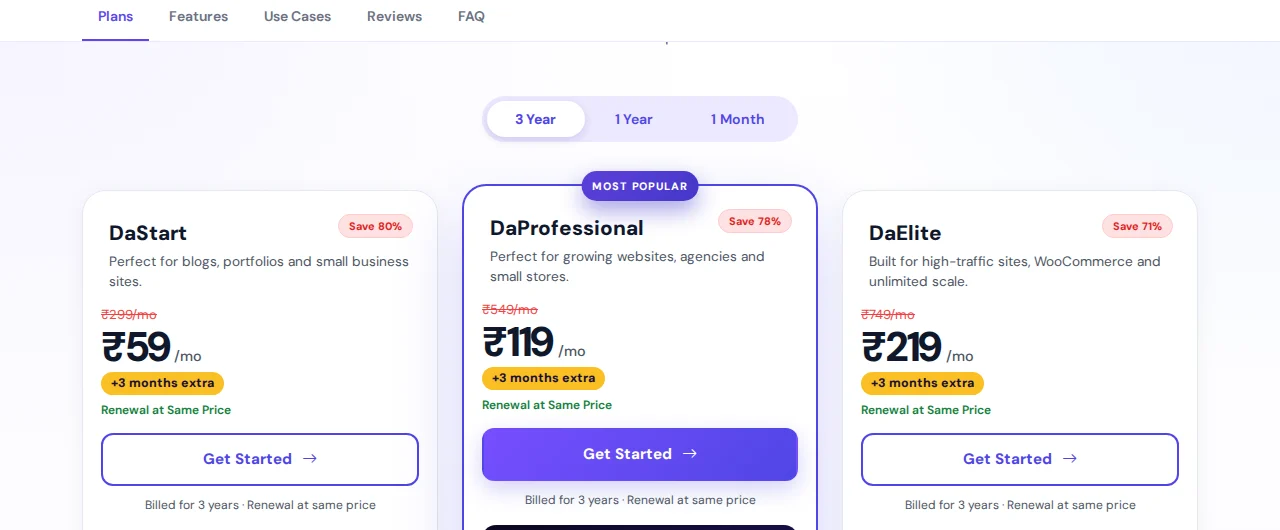
Step 5: Build the Site or Open Your Etsy Shop
Two realistic paths, and most sellers eventually use both.
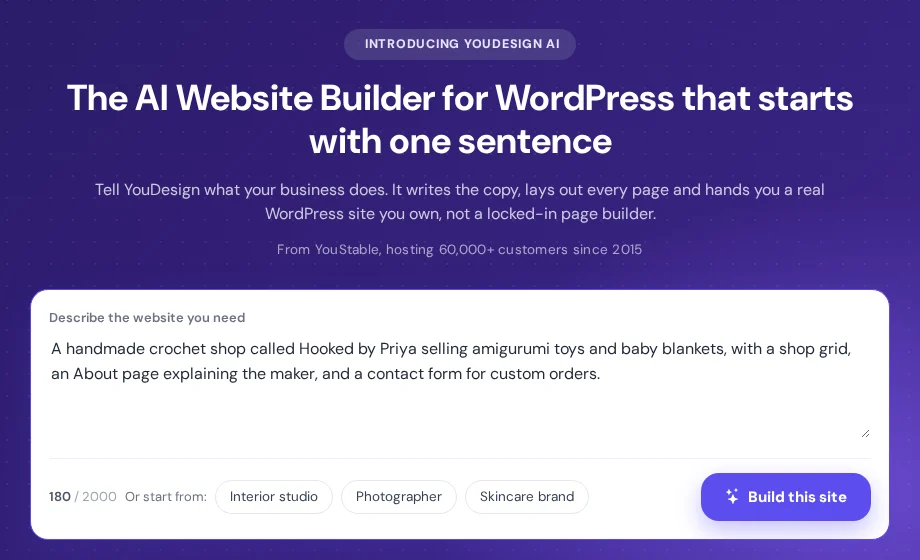
The fast path is an AI website builder that turns a short description of your shop into a working layout with starter pages, which you then edit with your own photos and prices.
A prompt like "A handmade crochet shop called Hooked by Priya selling amigurumi toys and baby blankets" is enough to get a usable starting point.
Add details like a shop grid, an About page explaining the maker, and a contact form for custom orders.
The marketplace path is opening a shop on Etsy, which puts you in front of buyers who are already searching for handmade items without needing any traffic of your own.
Etsy's seller setup walks you through a shop name, your first listings and payment details before anything goes live.
Either way, a crochet storefront needs at minimum a shop or product grid, and an About section that says who makes each piece and where.
Add clear care instructions per item, and a way for buyers to ask about custom colors or sizes before they buy.
Step 6: Photograph, List and Price Your First Pieces
Natural window light beats any ring light for yarn texture.
Shoot against a plain background, include one photo showing scale next to a common object, and one close-up showing stitch detail, since texture is what buyers cannot feel through a screen.
Write the listing title the way a buyer would search, such as "Crochet elephant amigurumi, handmade baby gift" rather than a cute shop-only name, and use the pricing formula from Step 3 for every single listing, not just the first one.
Step 7: Promote Where Buyers Already Are
Instagram and Pinterest are where most handmade crochet businesses actually get found, not search engines, at least in the first year. Post the making process, not just the finished piece.
A 15-second clip of a stitch pattern coming together consistently outperforms a static product photo, because it shows the work that justifies the price.
Where to Sell: Etsy vs Instagram vs Your Own Site
Every "how to sell handmade" guide says "try Etsy," almost none show what it actually costs once fees stack.
Based on Etsy's published US fee structure as of 2026, a shop pays a $0.20 listing fee per item, a 6.5% transaction fee on the item price plus shipping, and roughly 3% plus a small fixed fee for payment processing.
On a Rs 800 sale, that works out to roughly Rs 80 to Rs 100 gone before you have paid for yarn.
Fee percentages and currency handling can change and differ by region, so check Etsy's current seller fee page before pricing a real shop around these numbers.
| Channel | Typical Cost to You | Best For |
|---|---|---|
| Etsy | Listing fee plus around 9 to 10% combined transaction and processing fees | Buyers actively searching for handmade items, zero traffic needed from you |
| Free to sell, but you supply all the traffic yourself | Building a following, custom orders, repeat buyers over time | |
| Your own site | Hosting cost only, no per-sale cut | Keeping full margin once you already have steady buyers from elsewhere |
Most sellers do not pick one.
A common pattern is starting on Etsy for discovery, building an Instagram following from those first buyers, then moving repeat customers to a lower-fee site like hookedbypriya.com once there is enough regular demand to justify the setup.
Do You Need to Register Your Business in India?
Most home-based crochet sellers in India do not need GST registration right away.
The general threshold for goods sellers is Rs 40 lakh in annual turnover, well above what a new handmade business makes in its first year or two.
Two exceptions catch sellers off guard. Selling across state lines can trigger registration requirements even below that threshold in some cases.
Selling through certain e-commerce marketplaces can also have its own registration rules, separate from the general turnover limit.
These rules are specific and have exceptions. Confirm your exact situation on the GST portal or with a chartered accountant, rather than relying on a blog post for a final answer.
Registering a simple sole proprietorship and opening a separate bank account for the business, even without GST, makes tracking profit and filing income tax far easier once sales pick up.
How Long Does Each Piece Actually Take?
New sellers consistently underestimate this, usually by half, because they time themselves on a good day with no interruptions. Realistic ranges once you are working at a comfortable pace:
- Small amigurumi (under 15 cm): 2 to 4 hours
- Medium amigurumi or a scrunchie set: 4 to 6 hours
- Baby blanket: 8 to 15 hours
- Adult-size blanket: 20 to 40+ hours
- Market bag or tote: 3 to 5 hours
Treat your first five pieces as practice pricing, not final pricing. Your actual hours drop as you repeat a pattern, and the price should reflect your real speed, not your first attempt.
Crochet Business Niche Ideas That Are Not Oversaturated
Not every crochet business needs to sell the same five products everyone else does.
- Baby and newborn sets: blankets, booties and hats sold as matching gift sets, a strong early niche for a new crochet business, which sell better than any single piece alone.
- Custom amigurumi portraits: a crocheted version of someone's actual pet or baby from a submitted photo, priced well above a generic toy.
- Market and produce bags: practical, reusable, and appeal to buyers who would not normally buy a decorative item.
- Plant-themed home decor: hanging planters and coasters for a buyer base that is different from gift shoppers.
- Wedding and event favors: small crocheted flowers or keychains sold in bulk to people planning an event, not individual shoppers.
- Your own written patterns: once you design something original, the pattern itself becomes a digital product with no material cost and no restock time.
Common Mistakes When Starting a Crochet Business
- Pricing for yarn only. The single most common reason a crochet shop shuts down within a year is a price that never covered the maker's hours.
- Selling from a personal-use-only pattern. Designers do take this seriously, and it can mean a shop gets a listing pulled or a direct complaint.
- Stocking twenty products before the first sale. Two or three core items you can restock quickly beat a huge catalog nobody has seen yet.
- No care instructions on the listing. Handmade yarn items need specific washing care, and skipping this leads to damaged items and refund requests.
- Mixing personal and business money from day one. This makes it nearly impossible to know if the business is actually profitable by month six.
Ask It Like You Would Ask a Person
Straight answers to how people actually phrase these questions out loud or to an AI assistant, not how a textbook would phrase them.
"Can I really make money selling crochet on Etsy?" Yes, but slowly at first.
Most new Etsy crochet shops take two to four months to get a first sale, and consistent income usually takes six months or more of regular listing and promotion, not a one-time shop setup.
"Do I need a business license to sell crochet items in India?" Not for most home-based sellers in year one.
You generally do not need GST registration below Rs 40 lakh in turnover.
Selling across states or through certain marketplaces can change that, so confirm with a CA once sales become regular.
"How much should I charge for a crocheted blanket?" Add up your yarn cost, multiply your real hours by a fair hourly rate, then add your selling platform's fee percentage on top.
A baby blanket taking 10 hours at Rs 120 an hour with Rs 400 of yarn comes to roughly Rs 1,600 before platform fees, not the Rs 800 many beginners guess at.
"Is it legal to sell things I made from a pattern I bought?" Usually yes, but it depends entirely on that specific pattern's terms, not a general rule.
Check the listing or included file for a personal-use-only notice before you sell a single item made from it.
"Should I sell on Etsy or build my own website first?" Start on Etsy or Instagram, since both put you in front of buyers without needing traffic of your own.
Build a dedicated site once you have repeat buyers who would rather order directly and skip the marketplace fee.
FAQs
Is a crochet business profitable?
It can be, but margins are thin unless you price for your actual hours, not just yarn cost. Sellers who treat their time as free rarely stay profitable past the first year.
How much does it cost to start a crochet business?
Most beginners start with Rs 3,000 to Rs 8,000 for yarn, hooks and basic packaging. A website and hosting add a small recurring cost only once you move beyond Etsy or Instagram.
Do I need to pay tax on crochet items I sell?
Income from selling crochet items is taxable income regardless of GST registration status. GST registration itself is usually not required below Rs 40 lakh turnover, with exceptions for interstate and marketplace sales.
Can I sell crochet items made from a pattern I did not design?
Only if the pattern's own terms allow it. Look for a personal-use-only notice before listing anything, and credit the designer if their terms ask for it.
Is Etsy or Instagram better for selling crochet?
Etsy puts you in front of buyers actively searching for handmade items but takes a percentage of every sale. Instagram is free to sell on but requires you to build your own audience first.
How do I price handmade crochet items?
Add your material cost, multiply your real hours by a fair hourly rate, then add your selling platform's fee percentage. Pricing for yarn alone is the most common reason new crochet shops fail.
What sells best in a crochet business?
Baby items and amigurumi toys tend to sell faster than large blankets because they are gift-driven and buyers are less price-sensitive, even though blankets sell for more per piece.
Conclusion
A crochet business lives or dies on two things most crochet business beginners skip: pricing that covers your actual hours, and checking whether the pattern you are using even allows you to sell from it.
Get those two right, pick a niche you can restock without dreading it, and put your first pieces in front of buyers who are already looking, on Etsy, on Instagram, or both.
Everything else, including a dedicated website like hookedbypriya.com, can wait until the orders are steady enough to justify it.