
To start a blog in Telugu 2026, pick a clear niche, register a brandable domain, buy fast NVMe WordPress hosting, install WordPress, set the site language to Telugu (te), publish helpful original content, and follow on page SEO best practices.
Focus on Core Web Vitals, internal links, and EEAT signals, then monetize via AdSense, affiliates, and digital products. This step by step guide explains each stage with tools, examples, and pro tips tailored to Telugu creators.
India’s regional language web is booming in 2026, and Telugu sits at the center of that growth. Users want trustworthy, native language answers they can act on fast especially in education, careers, technology, finance, health, and local culture.
Starting a Telugu blog builds deeper trust than English only sites, because your readers learn in their mother tongue. For creators, that translates into higher engagement, longer time on site, and stronger conversion rates from SEO, social, and community channels.
This guide covers everything you need: domains and hosting, a clean WordPress setup, SEO, ranking frameworks, and monetization models that work in Indian regional markets. If you’re serious about “How to Start a Blog in Telugu in 2026,” bookmark this and follow it step by step.
Why You Should Start a Blog in Telugu in 2026?
Telugu internet adoption is surging as users seek relevant local language content. Competition is thinner than English niches, offering faster rankings and loyalty.

More Telugu speakers are discovering topics via Google, YouTube, and social search. They prefer content that speaks their language, context, and culture, especially for how‑to guides, comparisons, and product decisions.
Because top English keywords are saturated, Telugu blogging gives you a defensible edge. You face fewer competitors for longtail queries while building topical authority around your niche be it careers, cooking, health, or technology.
Advertisers, creators, and Google reward helpful localized content. When your writing solves regional problems clearly, your brand grows faster, earns links naturally, and becomes a reliable source for Telugu audiences.
- Lower competition, higher ranking chances
- Strong audience trust and loyalty
- Better engagement and time on site
- Easier monetization in regional markets
What Do You Need to Start a Blog in Telugu?
Start with a clear niche, a brandable name, and fast WordPress hosting. Set smart SEO foundations early to compound traffic in months, not years.
Here’s the checklist you’ll follow next. Each step is simple, but the order matters for long term SEO and monetization success.
- A clear blogging niche and audience
- A brandable domain name
- Fast, reliable web hosting
- WordPress and basic SEO setup
Choosing a Perfect Domain Name for Your Telugu Blog
Importance of Domain Branding
Your domain anchors your identity, recall, and future trust signals (mentions, links, branded searches). A memorable domain accelerates word of mouth and improves click through rates on search and social.
Domain Name Tips for Telugu:-
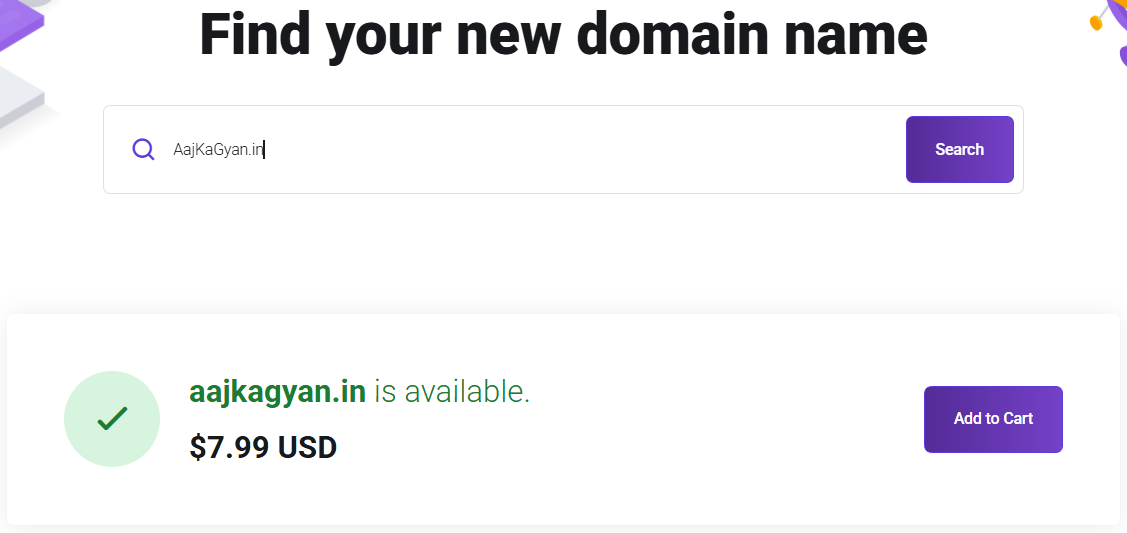
- Keep it short, simple, and easy to pronounce
- Avoid hyphens, numbers, and keyword stuffing
- Use clear, broad concepts if you plan to expand content later
- Example formats: Informational (AajKaGyan, DailyTech) | Brandable (DesiNest, LocalVoice)
Best TLD Choices
- Preferred: .com, .in
- Acceptable: .co.in, .blog
- Advanced: Telugu script IDNs for brand experience; pair with an English short URL
Social Media Consistency
- Check availability on YouTube, Instagram, Facebook, and X
- Use the same handle everywhere to strengthen brand recall
Free vs Paid Hosting – What’s Better for Beginners?
Free Hosting (Why to Avoid)
- Slow speed and frequent downtime that crush rankings
- Unwanted ads and strict resource caps
- Weak security and poor Core Web Vitals
- Hard to get and keep AdSense approval
Paid Hosting (Why It’s Worth It)
- NVMe SSD storage for fast TTFB and low LCP
- Free SSL, automated backups, and better security
- LiteSpeed/OpenLiteSpeed for server level caching
- Scales with traffic and supports growth
Best Hosting Setup for Beginners in 2026
- NVMe SSD storage for high IOPS and quick database reads
- LiteSpeed or OpenLiteSpeed web server with LSCache
- India or nearest regional data center for lower latency
- Built in CDN or easy integration with Cloudflare
- WordPress optimized stack with PHP 8.2+, OPcache, and optional Redis
Set Up Hosting with YouStable – (Step-by-Step)
These steps are beginner friendly and tuned for fast Core Web Vitals. YouStable offers India based servers, NVMe storage, and WordPress ready features that suit regional blogs without complexity.
- Visit the YouStable website
- Choose a beginner friendly WordPress hosting plan
- Select the server location closest to your audience (Mumbai/Delhi)
- Register a new domain or connect an existing one
- Complete checkout and access the dashboard
- Install WordPress using the 1 click installer (Softaculous/Installatron)
- Enable SSL (Let’s Encrypt) and activate LiteSpeed Cache
YouStable is ideal for regional bloggers due to fast India based servers, WordPress friendly support, and performance optimized hosting that simplifies page speed and uptime from day one.
| YouStable WordPress Hosting Plans & Pricing Table in 3rd April 2026 | ||||
|---|---|---|---|---|
| Plans Name | Websites | Storage | Bandwidth | Monthly Pricing |
| DaStart | 1 | 50GB NVMe SSD | Unmetered | $0.65/mo |
| DaProfessional | 25 | 100GB NVMe SSD | Unmetered | $1.31/mo |
| DaElite | Unlimited | 200GB NVMe SSD | Unmetered | $2.42/mo |
Install WordPress & Set Up Your Telugu Blog
WordPress Installation
- Use the 1 click installer to set up WordPress
- Enable HTTPS immediately and force SSL redirects
- Use a strong admin username and 16+ character password
Basic WordPress Settings
- Site Language: Telugu (te) to localize the UI and improve typing flow
- Timezone: Asia/Kolkata for accurate timestamps
- Permalinks: Post name for clean, SEO friendly URLs
Essential Pages
- About
- Contact
- Privacy Policy
- Disclaimer
Essential Plugins (Lean Stack)
- SEO: Rank Math or Yoast
- Cache: LiteSpeed Cache (configure QUIC.cloud if needed)
- Security: Wordfence or Solid Security
- Backup: UpdraftPlus with remote storage
- Images: ShortPixel or Imagify for compression and WebP
- Forms: WPForms or Contact Form 7
- SMTP: FluentSMTP for reliable email delivery
Best Blogging Platform to Start a Blog in Telugu
Choose a platform that supports Unicode Telugu and advanced SEO controls.
Pick one that scales from hobby blog to a business without migration pain.
Why WordPress: WordPress gives full control over SEO, monetization, and performance while seamlessly supporting Telugu content. You get plugins for schema, caching, security, and translations, plus the flexibility to customize themes and design systems.
Comparison: Blogger is simple but limited in SEO, speed optimization, and monetization flexibility. Medium is great for reach but poor for brand building and income control. For a long term asset, self hosted WordPress wins decisively.
Content Ideas & Choosing the Right Niche
Pick a niche where you can publish consistently and help readers with specific problems. Marry your interest and expertise with audience demand to avoid burnout and build topical authority.
- Evergreen: Recipes, Parenting, Finance basics, Career guidance, Health tips
- Trending: Government schemes, Exam updates, AI tools, OTT reviews
- Local: City guides, Events, Micro business tips, Farming techniques
Validate keywords via Google autocomplete, “People Also Ask,” and search volumes in English + Telugu transliteration. Map problems to monetization paths (AdSense, affiliate products, services, courses) before you commit.
Importance of Consistency and Patience
Blogging compounds. Give yourself 3-6 months to see traction and 12 months to build authority. Publish weekly, interlink posts, and improve existing content using search console insights.
Adopt a publish → analyze → improve loop. Update titles, add FAQs, refine images, and strengthen EEAT. Consistency builds trust with readers and with Google’s algorithms alike.
How to Write SEO Friendly Content for a Telugu Blog
Write for humans first, then structure for search using simple, clear formatting.
Use natural Telugu, avoid jargon, and address search intent in the first screen.
Step 1. Write Original & Valuable Content
Offer solutions the reader can act on. Use step by step instructions, examples, and screenshots. Avoid copying, spinning, or low quality AI content-Google’s Helpful Content system discounts fluff fast.
Step 2. Keyword Research (Language + Regional)
- Use Google autocomplete to gather intent rich long tails in Telugu and transliterated Telugu (e.g., “emi,” “ela,” “best” queries)
- Scan “People Also Ask” for subheadings and FAQ sections
- Research local terms, brand queries, and seasonal spikes (festivals, results, schemes)
- Map each keyword to a clear search intent: informational, comparison, or transactional
Step 3. On-Page SEO
- Include focus keyword in the title, first 100 words, H2/H3s where natural
- Write compelling meta descriptions with a benefit + CTA
- Add schema (Article/FAQ) via Rank Math or Yoast
- Use short paragraphs, bullets, and descriptive anchor text for internal links
Step 4. Use Images & Internal Linking
- Compress images and serve WebP; lazy load below the fold
- Use descriptive alt text in Telugu for accessibility and relevance
- Create content clusters and interlink them to build topical authority
Step 5. Update Content Regularly
Refresh posts every 60-120 days to reflect new stats, policy changes, and user feedback. Content freshness improves click through rates and helps lock Featured Snippets in competitive spaces.
How to Rank Your Telugu Blog on Google
Rankings follow intent alignment, quality signals, and reliable performance.
Build authority through consistent publishing, internal links, and trust cues.
Here are seven ranking factors to prioritize for sustainable, compounding traffic.
- Search intent match: Answer the query in the first screen; add depth below.
- Topical authority: Create clusters and pillar pages that interlink logically.
- Internal linking: Link from high traffic pages to new posts to distribute equity.
- Page speed & Core Web Vitals: Use LiteSpeed Cache, image optimization, CDN.
- EEAT signals: Author bios, sources, disclosures, and transparent contact details.
- Content freshness: Update key posts and republish with change logs if needed.
- Natural backlinks: Earn via original data, unique visuals, and quotable insights.
Pro tip: Monitor Search Console for query volatility, add FAQs to capture PAA boxes, and use schema to enhance visibility. Aim for Featured Snippets by writing direct definition style answers near the top of your articles.
7 Ways to Make Money from a Telugu Blog in 2026
Diversify income streams to reduce risk and smooth seasonal traffic dips.
Monetize where intent is strongest: guides, comparisons, and local solutions.
- Google AdSense: Still a great starting point for Telugu blogs with informational content. Focus on long tail traffic, strong Core Web Vitals, and clear layouts to improve RPM. Avoid intrusive ads; balance UX and revenue.
- Affiliate Marketing: Promote tools, courses, services, or products your audience already needs (ed‑tech, finance, hosting, gadgets, kitchenware). Write comparisons, “best” lists, and tutorials with honest pros/cons and disclosure.
- Sponsored Posts: After you build authority, local brands will approach you. Create a media kit with traffic metrics, audience demographics, and sample deliverables. Maintain editorial integrity to keep reader trust.
- Digital Products: Sell Telugu ebooks, checklists, or mini courses. Solve specific problems (e.g., “Govt scheme application guide,” “Interview prep in Telugu”). Use Gumroad/WordPress LMS for delivery and support.
- Freelancing or Services: Offer writing, translation, voiceover, or local SEO services. Your blog becomes a portfolio, and service income stabilizes early months before ad/affiliate revenue scales.
- Local Business Leads: Create city or micro niche pages that generate calls and form submissions. Partner with local service providers for per‑lead or fixed‑rate deals.
- YouTube + Blog Combo: Repurpose posts into videos and embed them back into articles. Videos improve dwell time, bring additional traffic, and diversify monetization with channel membership and brand deals.
FAQs
Can I write Telugu content in WordPress?
Yes. WordPress fully supports Unicode Telugu. Set Site Language to Telugu (te), use standard Unicode fonts, and type via native keyboard or transliteration tools.
What is the minimum cost to start a Telugu blog?
Expect roughly ₹1,500–₹4,000 for year one if you choose budget NVMe hosting and a discounted .in/.com domain. Costs vary by plan, add ons, and promotional pricing.
How many posts do I need for AdSense approval?
Quality matters more than count. Aim for 15–25 helpful, original posts, plus About/Contact/Privacy/Disclaimer pages, fast speed, and a clean ad experience.
Which is better: WordPress, Blogger, or Medium for Telugu?
Self hosted WordPress is best for SEO control, monetization flexibility, and growth. Blogger is simple but limited; Medium is poor for brand ownership and income.
How do I find Telugu keywords?
Use Google autocomplete, PAA, and Trends. Mix native Telugu and transliterated terms. Analyze SERP intent, and prioritize long tail questions for quicker wins.
Are Telugu script domains (IDNs) good for SEO?
They’re brandable, but compatibility varies across apps and email. Prefer an English .com/.in for consistency and pair it with a Telugu brand name on site.
What hosting specs should I prioritize for speed?
NVMe SSD, LiteSpeed/OpenLiteSpeed, PHP 8.2+, OPcache, optional Redis, India data center, free SSL, reliable backups, and a CDN integration option.
Conclusion
Regional language blogging is one of 2026’s biggest opportunities, and Telugu is leading the charge. With a smart niche, fast hosting, WordPress, and a lean SEO stack, you can build an authority site that ranks and earns consistently.
Pick your domain, set up NVMe WordPress hosting, install WordPress in Telugu, and publish your first three helpful posts this week. Stay consistent for 90 days, optimize for speed and EEAT, and your Telugu blog will begin compounding in search and revenue.