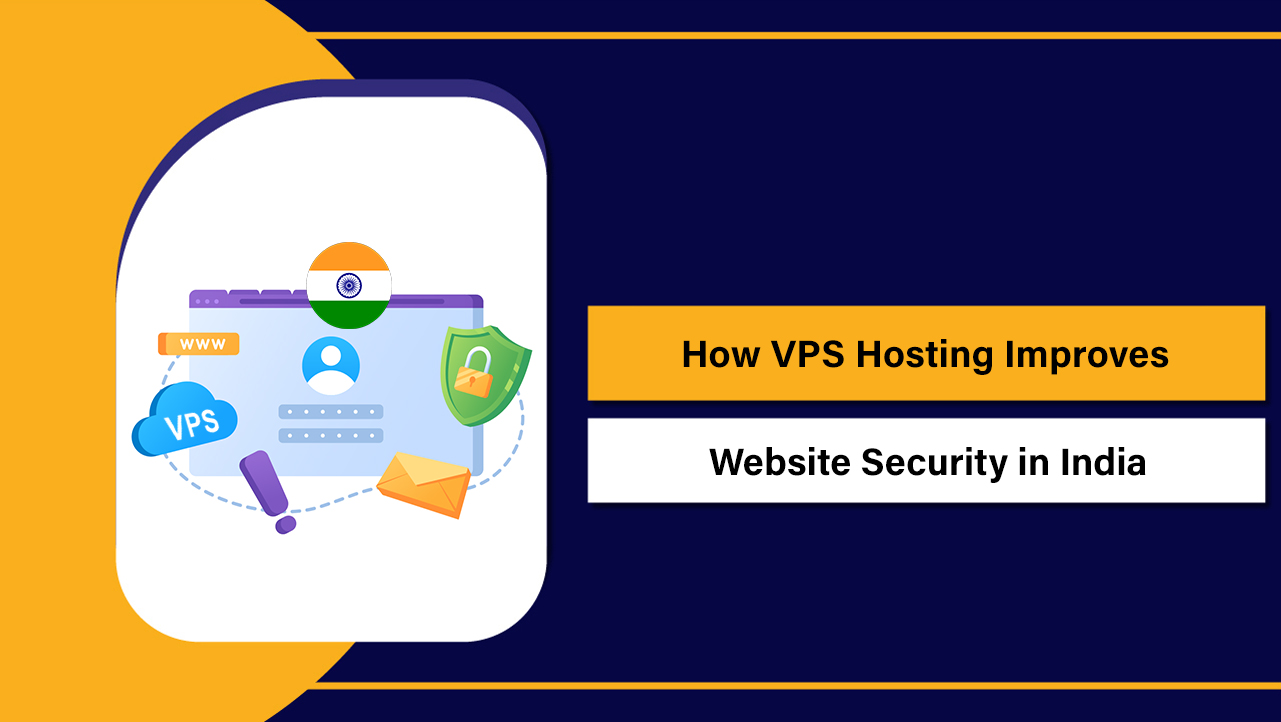
VPS hosting in India improves website security by isolating your site in a private virtual server with dedicated resources and a unique IP. This isolation blocks noisy neighbors, while root level control lets you deploy firewalls, DDoS protection, malware scanning, encrypted backups, and strict access policies meeting performance, uptime, and regulatory needs better than shared hosting.
If you run an online business or a growing blog, website security is non negotiable. VPS hosting in India gives you the control and isolation you need to implement stronger defenses than shared hosting, without the high cost and complexity of a dedicated server. Below, I explain how VPS strengthens security, what to configure on day one, and how to choose a secure Indian provider.
What is VPS Hosting and Why It’s Safer Than Shared Hosting?
A Virtual Private Server (VPS) is a partitioned environment on a powerful physical server. Your VPS gets dedicated CPU/RAM slices, storage, and a unique operating system instance.
Unlike shared hosting, where hundreds of sites share the same OS VPS isolates your applications at the hypervisor level, reducing cross account risks and enabling enterprise grade controls.
- Isolation: Your processes and file system are separate from other customers.
- Control: Root or sudo access to configure security policies, updates, and tools.
- Consistency: Dedicated resources reduce performance spikes that can trigger outages during attacks.
- Scalability: Upgrade CPU/RAM/storage without migrations, keeping security intact.
8 Ways VPS Hosting Improves Website Security in India
1. Hypervisor Level Isolation Prevents Cross Site Contamination
On shared hosting, a compromised neighbor can escalate privileges or exploit insecure permissions. VPS hosting isolates you via the hypervisor, reducing lateral movement. With private kernel and file system boundaries, a vulnerability in someone else’s CMS is far less likely to touch your stack.
2. Root Access for Real Hardening
Security starts with control. Root or sudo access lets you disable password logins, enforce SSH keys, configure firewalls, install intrusion prevention (Fail2Ban/CSF), enable automatic updates, and tune PHP/NGINX/Apache securely capabilities most shared plans restrict or block entirely.
3. Dedicated IP and Custom Firewall/WAF Rules
A dedicated IPv4 means your site’s reputation isn’t impacted by another customer’s spam. You can attach robust network level firewalls, Web Application Firewalls (e.g., ModSecurity), and geofencing tuned to Indian traffic patterns, reducing attack noise and blocking malicious bots at the edge.
4. DDoS Mitigation and Rate Limiting
Many Indian VPS providers include basic DDoS protection and allow you to deploy reverse proxies (Cloudflare, NGINX) for caching and rate limiting. With VPS, you can tune SYN cookies, connection limits, and fail open/fail closed behavior, tools shared environments rarely expose.
5. Timely Patching and Kernel Hardening
Zero days spread fast. VPS hosting lets you schedule OS and package updates, use live kernel patching (e.g., KernelCare), and enable security modules like SELinux/AppArmor. You decide what runs, when it updates, and how it’s confined.
6. Encrypted, Versioned Backups and Snapshots
Ransomware isn’t an availability problem it’s a recoverability problem. VPS snapshots and offsite, encrypted backups (daily/weekly with retention) let you roll back cleanly. Test restores regularly; a backup you haven’t tested is a hope, not a plan.
7. Application Isolation and Least Privilege
VPS lets you run each app/site with separate Unix users, PHP-FPM pools, and chrooted paths. Combine this with principle of least privilege, minimal permissions for services and database users, to limit blast radius if one component is compromised.
8. India Focused Compliance and Data Residency
Hosting in Indian data centers can support data localization and lower latency for domestic users. VPS control also helps align with guidelines from CERT, In (incident reporting), sectoral norms (e.g., RBI for fintech), and global standards like PCI DSS for eCommerce when properly configured.
Managed vs Unmanaged VPS: Who Owns Security?
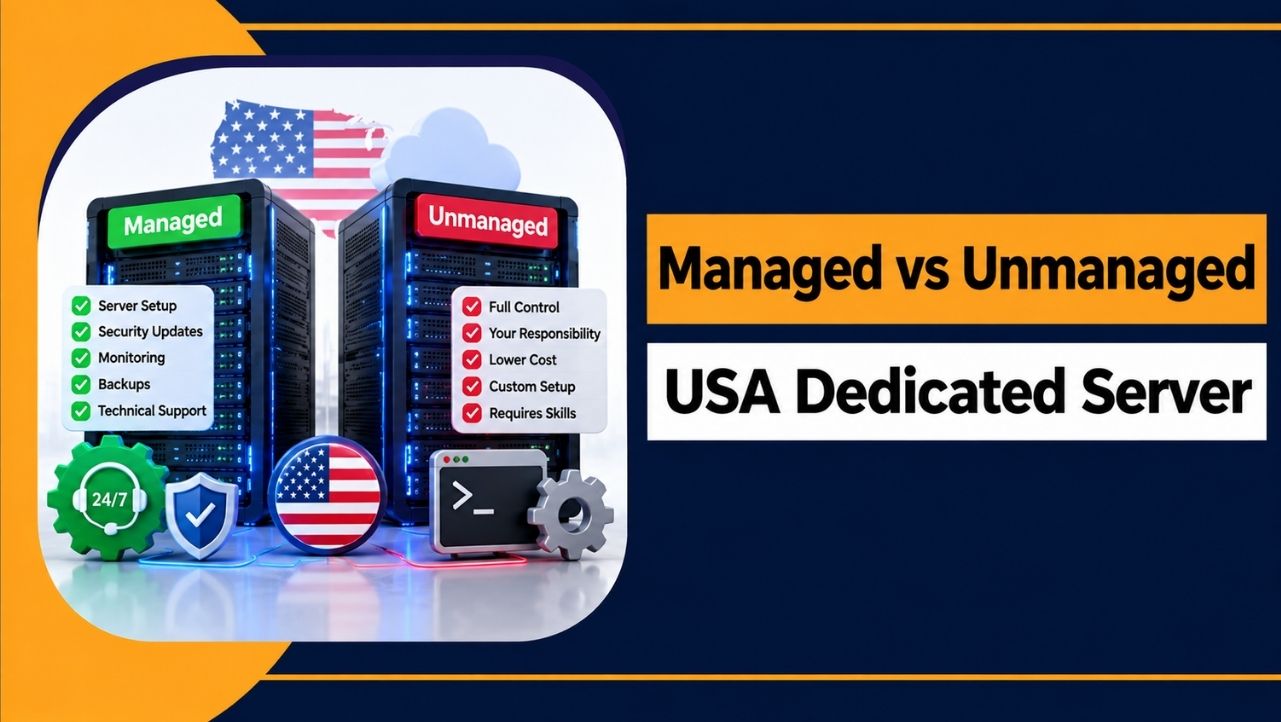
Unmanaged VPS: You manage OS, patches, services, and security stack. Best if you have Linux expertise or a DevOps partner.
Managed VPS: The provider handles OS updates, LAMP/LEMP stack, firewall baseline, monitoring, and often malware scanning. You still own app level security (WordPress plugins, themes, admin credentials) but benefit from 24×7 ops support.
Tip: Ask for a written security responsibility matrix so there’s no ambiguity during incidents.
VPS Security Hardening Checklist (Day 1)
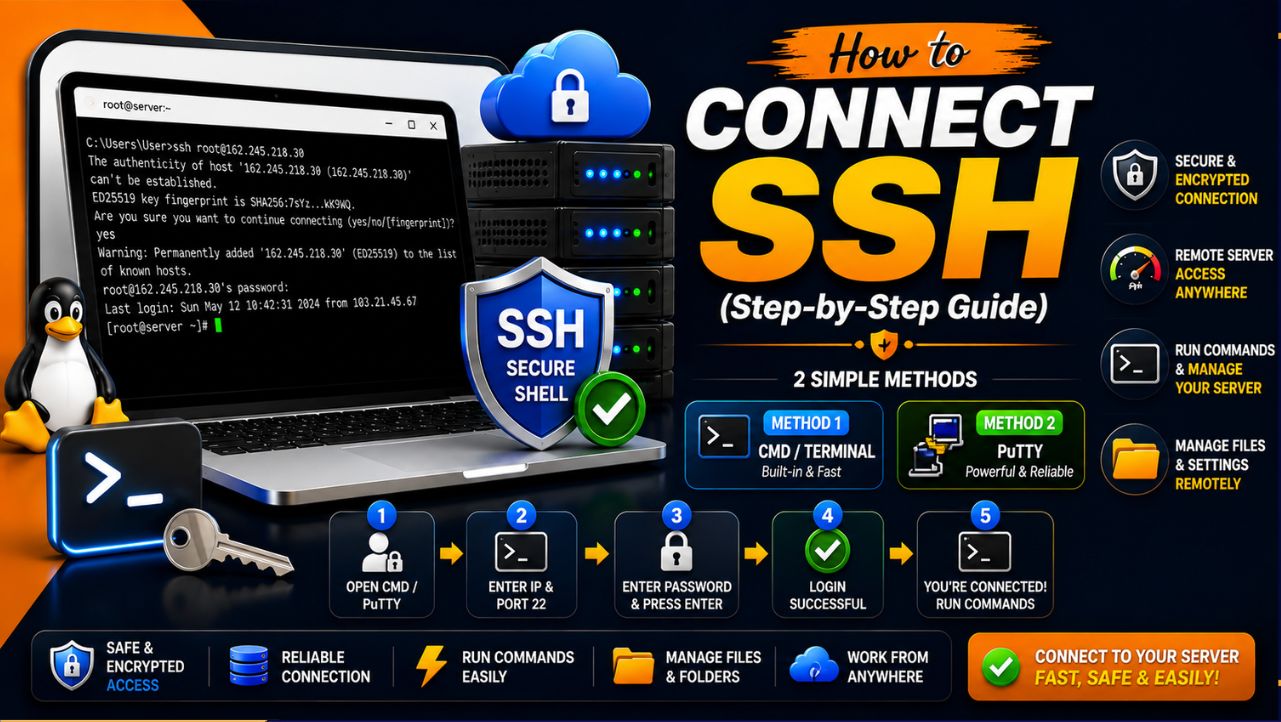
- Change SSH port, disable root SSH, require SSH keys (no passwords).
- Create a sudo user; enforce 2FA on control panel (cPanel/DirectAdmin) and provider account.
- Enable a host based firewall (UFW/CSF) and Fail2Ban or equivalent.
- Install and configure ModSecurity (WAF) and rate limiting at NGINX/Apache.
- Set up automatic OS/package updates and reboot strategy; consider live kernel patching.
- Harden PHP (disable dangerous functions), limit upload sizes, and enforce file permissions (640/750).
- Deploy malware scanning (ClamAV/Maldet) and integrity monitoring.
- Enable HTTPS everywhere (auto renewing Let’s Encrypt) and HSTS.
- Schedule encrypted, offsite backups with retention and test restores quarterly.
- Isolate sites/apps by user, separate databases and credentials, and use environment variables for secrets.
Example: Secure SSH and Firewall Baseline
# Add a sudo user
adduser devops
usermod -aG sudo devops

# Harden SSH: disable root login, use key auth, change port
cp /etc/ssh/sshd_config /etc/ssh/sshd_config.bak
sed -i 's/^#Port 22/Port 2222/' /etc/ssh/sshd_config
sed -i 's/^#PasswordAuthentication yes/PasswordAuthentication no/' /etc/ssh/sshd_config
sed -i 's/^#PermitRootLogin yes/PermitRootLogin no/' /etc/ssh/sshd_config
systemctl restart sshd

# UFW firewall: allow only what you need
ufw default deny incoming
ufw default allow outgoing
ufw allow 80/tcp
ufw allow 443/tcp
ufw allow 2222/tcp
ufw enable

# Fail2Ban basic jail (example)
cat > /etc/fail2ban/jail.local <<EOF
[sshd]
enabled = true
port    = 2222
logpath = /var/log/auth.log
maxretry = 4
bantime = 3600
EOF
systemctl enable --now fail2ban
Choosing a Secure VPS Provider in India
- Data centers in India: Look for Mumbai/Delhi/Hyderabad facilities with Tier III or higher.
- DDoS protection: Network layer mitigation with clear SLAs and real time monitoring.
- Backup and DR: Automated, offsite, encrypted backups with retention options and restore support.
- Managed security options: WAF, malware scans, patching, and 24×7 expert support.
- Compliance posture: Documented processes for incident response, logs, and access control.
- Transparent resources: Guaranteed CPU/RAM, NVMe storage, and clear overcommit policies.
- Scalability: Easy vertical scaling and optional load balancing/CDN integrations.
Why YouStable VPS Is a Secure Choice for Indian Websites
As a hosting company focused on performance and security, YouStable offers VPS hosting that balances control, speed, and protection for Indian traffic. You can choose data center locations closer to your audience, add managed security, and scale as you grow, without compromising on uptime or compliance fundamentals.
YouStable VPS Security Highlights
- DDoS Shield: Network layer filtering reduces volumetric attacks and keeps sites online.
- Free SSL and HTTP/2: Encrypted traffic by default, with auto renewal for hassle free HTTPS.
- Host Firewall + WAF: Granular rules and ModSecurity to block OWASP Top 10 patterns.
- Managed Updates: Optional managed patching for OS and stack to close vulnerabilities faster.
- Automated Backups: Configurable schedules and retention with guided restore support.
- 24×7 Monitoring: Always on health checks and rapid response from experienced engineers.
- Scalable NVMe Storage: Faster I/O to withstand traffic spikes and brute force attempts.
Visit YouStable to view current VPS plans and pricing. Choose unmanaged for full control, or go managed to offload day to day security operations to our team. Either way, you gain the isolation, power, and tooling to keep your business safer.
Real World Scenarios Where VPS Security Pays Off
ECommerce Stores During Festive Sales
Festive spikes attract botnets and credential stuffing. With VPS, you can enable rate limiting, WAF rules for checkout paths, and stronger TLS ciphers. Combine with CDN caching to shield origin servers and maintain conversions.
WordPress Blogs Facing Malware Injections
Use separate Unix users per site, disable PHP execution in uploads, enforce SFTP/SSH keys, and schedule malware scans. If something slips through, revert quickly from a clean snapshot, your uptime and SEO rankings will thank you.
SaaS Startups Handling Indian User Data
Run services in Indian data centers, restrict admin panels by IP, enable audit logs, and implement secrets management. VPS level control supports stricter compliance postures and faster incident response.
Common VPS Security Mistakes to Avoid
- Leaving password based SSH logins enabled use keys only.
- Running everything as root, use sudo users and service accounts.
- Ignoring updates, automate patching and reboot windows.
- One size fits all firewalls, allow only required ports per app.
- Trusting on server backups keep at least one offsite copy.
- Mixing dev and prod on the same VPS separate environments to reduce risk.
- Weak panel security enforce 2FA on hosting and registrar accounts.
FAQs
Is VPS hosting more secure than shared hosting?
Yes. VPS isolates your environment from other customers, gives you a dedicated IP, and provides root level control to apply strong hardening, firewalls, and monitoring controls that shared hosting usually limits or prohibits.
Do I need a managed VPS for better security?
If you lack Linux experience or time, managed VPS is worth it. Providers handle OS patching, baseline firewalls, service monitoring, and often malware scans. You still secure your application (plugins, themes, credentials).
Can VPS hosting stop DDoS attacks?
VPS enables DDoS mitigation strategies network layer filtering, CDNs, rate limiting, and caching but no single u003ca href=u0022https://www.youstable.com/blog/what-is-fail2ban-on-linux-server/u0022u003eserver can stop massive global attacksu003c/au003e alone. Choose a provider with built in mitigation and pair it with a reputable CDN/WAF.
How do I secure WordPress on a VPS?
Enforce SSH keys, u003ca href=u0022https://www.youstable.com/blog/how-to-configure-fail2ban-on-linux/u0022u003econfigure a firewall and Fail2Banu003c/au003e, enable HTTPS and HSTS, run ModSecurity, limit PHP execution, keep core/plugins/themes updated, use a WAF/CDN, restrict wp admin by IP or 2FA, and take frequent offsite backups.
Does hosting in India help with compliance or SEO?
Local hosting can reduce latency for Indian users and support data localization or sector specific compliance requirements. Faster load times may indirectly help SEO and user engagement. Always confirm regulatory obligations for your industry.
Conclusion
For businesses targeting Indian audiences, VPS hosting delivers the right balance of security, performance, and control. Isolation, dedicated IPs, root level hardening, and robust backups materially reduce risk.
Choose a provider like YouStable that pairs strong infrastructure with practical security features and support, then follow the hardening checklist to lock things down from day one.