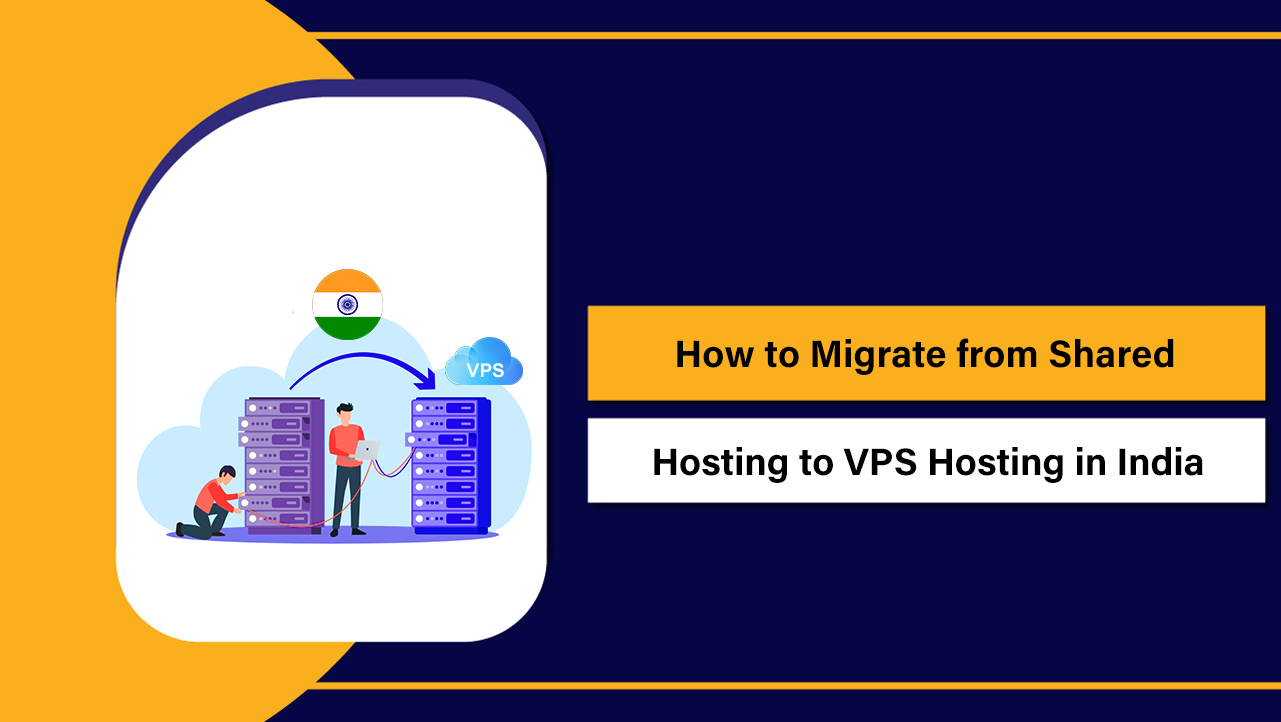
Migrating from shared hosting to VPS hosting in India means moving your website and databases from a crowded shared server to a dedicated virtual machine for better performance, control, and security. The process involves planning, provisioning a VPS, copying data, testing on a staging host, updating DNS, and monitoring, ideally with near zero downtime.
If you’re ready to migrate from shared hosting to VPS hosting in India, this guide walks you through a step by step, beginner friendly process. You’ll learn how to plan the move, choose the right VPS, copy files and databases safely, test without breaking live traffic, optimize performance, and switch DNS with confidence.
Why Move from Shared Hosting to VPS in India?
Shared hosting is affordable, but resources are pooled. When neighbors spike CPU or memory, your site slows or times out. A VPS (Virtual Private Server) gives you reserved CPU/RAM, root access, and isolation, ideal for growing WordPress, WooCommerce, and business sites serving Indian audiences. If WordPress is your main workload, a WordPress VPS ships with that stack already tuned.
Key benefits in India include lower latency with local or nearby data centers, more consistent speed during peak hours, stronger security isolation, and the ability to scale. You also gain flexibility to choose stack components like NGINX, MariaDB, PHP-FPM, and Redis for serious performance.
Pre Migration Checklist
1) Audit Your Current Setup
List your domains, subdomains, SSL certificates, email accounts, databases, cron jobs, PHP extensions, and third party integrations. Note your current PHP/MySQL versions and CMS/plugins (e.g., WordPress, WooCommerce) to avoid version mismatches on the VPS.
2) Choose the Right VPS Plan
Match resources to your traffic and stack: start with 2–4 vCPU, 4–8 GB RAM, NVMe SSD storage, and burstable bandwidth for typical SMB WordPress sites. Prefer KVM virtualization, dedicated IPv4, and an India or nearby region for lower latency.
At YouStable, our Managed VPS plans include SSD/NVMe storage, free SSL, firewalling, snapshots, and (importantly) expert assisted migration. If you’re unsure about sizing, our support will map your analytics and growth to the right plan without overspending.
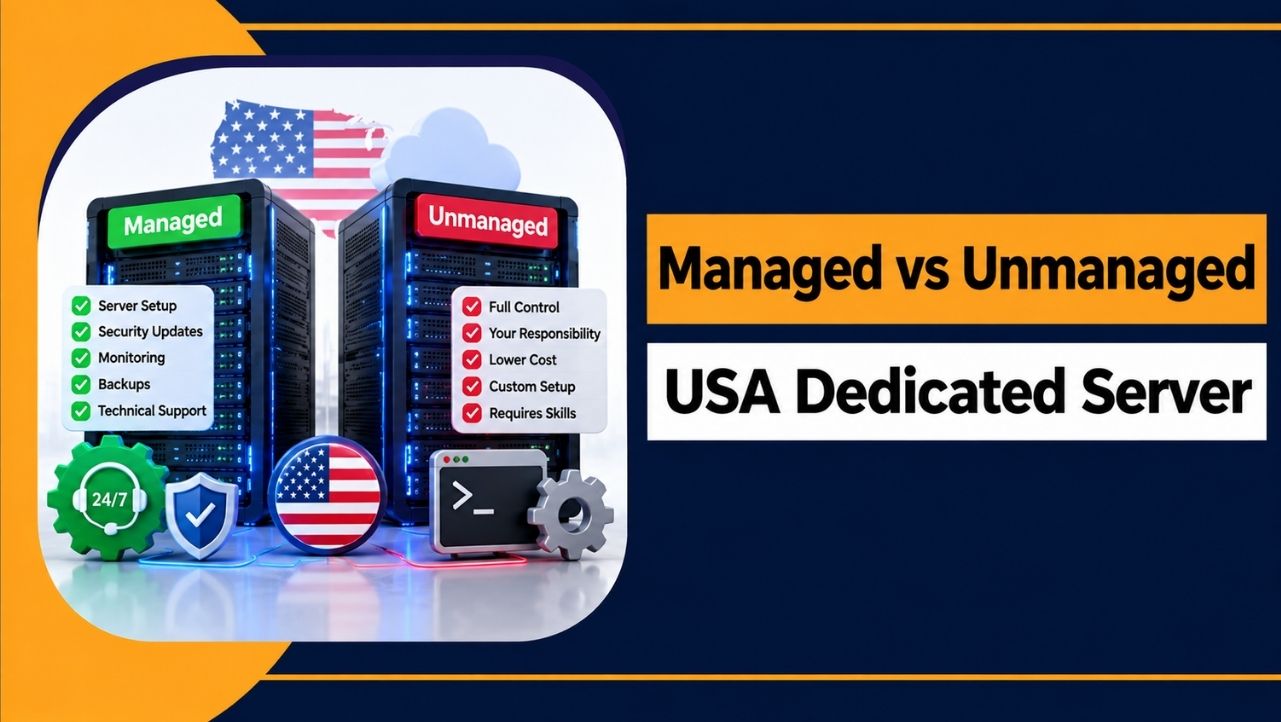
3) Managed vs Unmanaged
Unmanaged VPS gives you full control but requires server admin skills. Managed VPS offloads OS updates, stack tuning, security hardening, and 24/7 monitoring. If your priority is business growth rather than Linux maintenance, managed is the safer option.
4) Lower DNS TTL (24–48 Hours Before)
Reduce A/AAAA record TTL to 300 seconds so the final cutover propagates quickly across Indian ISPs. You can restore a higher TTL (e.g., 3600) after migration stabilizes.
5) Backups and Staging
Create full site and database backups and store them offsite. If your host provides cPanel, generate a full cPanel backup. For WordPress, snapshot with a plugin or use host level snapshots if available. Always test on a staging domain or hosts file preview before switching DNS.
6) Secure Access
Use SSH keys for login, not passwords. Plan a basic firewall policy, fail2ban, and restricted root login. This reduces brute force attempts common on public VPS servers.
Step‑by‑Step: Migrate from Shared Hosting to VPS Hosting
Step 1: Provision and Secure the VPS
Deploy your VPS with a current LTS Linux distro (Ubuntu or AlmaLinux). If you prefer point and click management, install a control panel (cPanel/WHM, Plesk, or CyberPanel). Otherwise, set up a LEMP/LAMP stack manually.
# Connect and update
ssh root@your-vps-ip
apt update && apt -y upgrade

# Create a sudo user and secure SSH
adduser devops
usermod -aG sudo devops
ufw allow OpenSSH
ufw enable
# Copy your SSH key from your local machine
ssh-copy-id devops@your-vps-ip

# Disable root SSH (edit and restart)
sed -i 's/^#?PermitRootLogin.*/PermitRootLogin no/' /etc/ssh/sshd_config
systemctl restart ssh
Install your stack: NGINX/Apache, PHP-FPM, MariaDB/MySQL, and Redis (optional). On managed YouStable VPS, our team preconfigures and hardens this for you.
Step 2: Copy Website Files
Option A: From cPanel, generate a full backup and restore it via WHM Transfer Tool (fastest cPanel to cPanel path).
Option B: Use rsync over SSH for a precise copy with permissions intact.
# On VPS: create target directory and ownership
mkdir -p /var/www/example.com/public_html
rsync -avz -e "ssh" user@shared-host:/home/user/public_html/ /var/www/example.com/public_html/
Step 3: Export and Import the Database
Export from the shared host and import on your VPS. Create the DB and user first, then restore the dump.
# Export on old host
mysqldump -u dbuser -p dbname > site.sql

# Copy to VPS
scp site.sql devops@your-vps-ip:/tmp/

# On VPS: create DB and import
mysql -u root -p -e "CREATE DATABASE dbname; CREATE USER 'dbuser'@'localhost' IDENTIFIED BY 'StrongPass!'; GRANT ALL ON dbname.* TO 'dbuser'@'localhost'; FLUSH PRIVILEGES;"
mysql -u dbuser -p dbname < /tmp/site.sql
Update application configs (e.g., WordPress wp config.php) with new DB credentials and host.
Step 4: Configure Web Server and PHP
Create a virtual host and point it to your document root. Enable HTTPS and HTTP/2 via a valid SSL certificate (Let’s Encrypt or your existing cert).
# Example NGINX server block
server {
    server_name example.com www.example.com;
    root /var/www/example.com/public_html;
    index index.php index.html;

    location / {
        try_files $uri $uri/ /index.php?$args;
    }

    location ~ .php$ {
        include snippets/fastcgi-php.conf;
        fastcgi_pass unix:/run/php/php8.2-fpm.sock;
    }

    listen 443 ssl http2;
    ssl_certificate /etc/letsencrypt/live/example.com/fullchain.pem;
    ssl_certificate_key /etc/letsencrypt/live/example.com/privkey.pem;
}
server {
    listen 80;
    server_name example.com www.example.com;
    return 301 https://$host$request_uri;
}
Step 5: Preview Without Changing DNS
Edit your local hosts file to resolve your domain to the new VPS IP so only you see the new server. Test pages, logins, forms, cart, and admin areas.
# Add line to local hosts file
203.0.113.10   example.com   www.example.com
# Windows: C:WindowsSystem32driversetchosts
# macOS/Linux: /etc/hosts
Step 6: Performance Tuning and Hardening
Enable OPcache, HTTP/2, GZIP/Brotli, and PHP-FPM. Consider Redis object cache for WordPress. Tune MariaDB with sensible buffer sizes. Add swap if RAM is tight, and set up fail2ban and a basic firewall. Keep SSH key only auth.
On YouStable managed VPS, we apply production grade configs and continuous security updates. Our team can also configure CDN, WAF, and backups.
Step 7: DNS Cutover and Monitoring
Update the A record to point to your VPS IP. With a 300s TTL, most Indian resolvers switch within minutes. Keep the old server running for 48–72 hours to catch stragglers and incoming email.
Verify access logs, error logs, SSL status, cron jobs, email routing, and queue. Revert the TTL to a normal value after stability is confirmed.
Read Also: How to Migrate to Windows VPS Hosting in India: Step-by-Step Guide
Special Cases and Pro Tips
WordPress Migration
Disable heavy caching plugins before backups. After import, update site/home URLs if needed and clear caches. If domains change, run a safe search replace to update URLs in the DB.
# With WP-CLI
wp search-replace "http://example.com" "https://example.com" --all-tables
Ensure correct file permissions (e.g., 644 files, 755 directories) and secure wp-config.php. Reissue Let’s Encrypt certificates after DNS cutover.
Email Migration
For cPanel to cPanel, use the Transfer Tool to migrate email accounts and messages. Otherwise, use imapsync or a desktop email client to copy mailboxes from old to new IMAP server before switching MX records.
# Example imapsync usage
imapsync --host1 old.mail.com --user1 [email protected] --password1 'oldPass'
         --host2 new.mail.com --user2 [email protected] --password2 'newPass'
cPanel to VPS with WHM
Install cPanel/WHM on the VPS, then use WHM > Transfer Tool to pull accounts from the old server via root or SSH credentials. This migrates files, databases, emails, DNS zones, and cron jobs with minimal hassle.
E‑commerce and Dynamic Sites
Use maintenance mode during final sync for WooCommerce or Laravel apps. Pause scheduled tasks, queue workers, and any real time inventory sync to avoid data drift. After cutover, re-enable jobs and verify transactional emails.
Cost and Performance Considerations in India
A well sized VPS can dramatically reduce TTFB and page load times for Indian users, especially with an India or nearby region. Add a CDN for global users. Balance CPU/RAM with caching, don’t oversize if good caching and database tuning are in place.
Factor in GST, snapshots/backups, control panel licenses (cPanel/Plesk), and management fees. A managed plan often costs less than hiring ad hoc admins, while improving uptime and security posture. See our breakdown of VPS hosting cost in India after GST for plan-by-plan numbers.
Common Mistakes to Avoid
- No recent backups or restore test before changes.
- Forgetting to lower DNS TTL ahead of time.
- Version mismatch (PHP/MySQL) breaking legacy code.
- Wrong file ownership or permissions causing 403/500 errors.
- Missing email migration or MX/SPF/DMARC updates.
- SSL not reissued after IP change, causing browser warnings.
- Leaving password SSH logins enabled; no firewall or fail2ban.
- Not monitoring logs and uptime during the first 72 hours.
How YouStable Makes Migration Safer and Faster
We’ve migrated hundreds of Indian SMB and WordPress sites from shared hosting to VPS with near zero downtime. On Managed VPS, YouStable engineers plan the cutover, tune the stack, secure the server, and verify performance before traffic moves.
- Free expert migration for eligible plans.
- NVMe SSD, KVM virtualization, and dedicated resources.
- India or nearby regions for low latency.
- Managed firewall, malware scans, and proactive updates.
- Snapshots and automated backups for quick rollback.
- Choice of cPanel, Plesk, or optimized LEMP stack.
- 24/7 support and ongoing performance tuning.
If you prefer hands off, choose Managed VPS and let us handle the heavy lifting, so you focus on your business and content, not server internals.
FAQs
How long does a migration to VPS usually take?
Small WordPress sites can move in 1–3 hours. Larger e‑commerce or multisite setups may take 6–24 hours, including testing. The final DNS cutover typically completes within minutes to a few hours, depending on TTL and ISP caching.
Can I migrate with zero downtime?
Yes, near zero downtime is realistic. Lower TTL, copy files/DB, preview via hosts file, freeze writes briefly for the final DB sync, then update DNS. Keep the old host active for 48–72 hours as a safety net.
Should I choose managed or unmanaged VPS?
If you’re not a Linux admin, choose managed. You’ll get hardened security, tuned performance, backups, and expert migration. Unmanaged is cost efficient for experienced sysadmins comfortable with the command line and 24/7 responsibility.
How do I migrate from cPanel shared hosting to a VPS?
Install cPanel/WHM on the VPS, then use WHM’s Transfer Tool to pull accounts from the old server. It copies files, databases, emails, DNS zones, and cron jobs, making it the least error prone path.
Is a VPS in India better for SEO and user experience?
Faster TTFB and lower latency improve Core Web Vitals and user experience, which can indirectly support SEO. Hosting in India (or nearby) improves speed for Indian audiences. Combine with a CDN and caching for global reach.
Final Takeaway
To migrate from shared hosting to VPS hosting in India, plan carefully, harden the server, copy data safely, test privately, then switch DNS. With managed VPS from YouStable, you get expert led migration, tuned performance, and ongoing security, so your site is faster, safer, and ready to scale.