To start a Gujarati blog in 2026, choose a clear niche, buy a brandable domain, select fast hosting with NVMe SSD and LiteSpeed, and install WordPress (set the site language to Gujarati).
Set up essential pages and lightweight plugins, write original and useful content based on keyword research, submit your sitemap to Google Search Console, build internal links, and once traffic starts coming in, monetize through AdSense or affiliate programs. The basic setup can be done in 1-2 days, and visible results usually start appearing within 90 days.
Until a few years ago, high quality information in Gujarati was limited on the web. But in 2026, the situation is becoming more user focused. Google has increased its emphasis on “Helpful Content,” which means original and practical content in local languages builds trust faster. For anyone searching “How to Start a Blog in Gujarati in 2026,” this guide offers a complete roadmap from setup to monetization.
Blogging in Gujarati creates a strong emotional connection with the audience, leading to faster engagement and better retention compared to English blogs. By choosing the right hosting, setting up WordPress properly, and learning basic SEO, you can start getting meaningful traffic within 3-6 months.
In this guide, you will learn step by step about domain selection, hosting, WordPress installation, Gujarati SEO, ranking strategies, and monetization models suitable for 2026. Let’s now begin in a practical way.
Why You Should Start a Blog in Gujarati in 2026
Millions of users search on Google in Gujarati for information, guidance, and reviews. The demand is already high.

Competition in English blogging is intense, while competition for Gujarati keywords is much lower.
The share of regional language internet users in India is growing every year. Helpful local language content performs very well on Google Search, Google Discover, and Google News. Brands and advertisers are also actively looking for regional publishers to reach native language audiences.
Because competition in Gujarati is lower, you can build topical authority much faster. Local search intent such as government schemes, local travel, recipes, and finance tips has high demand and usually shows better conversion rates.
Key benefits of starting a Gujarati blog:
- Lower competition with higher ranking potential
- Strong audience trust and long term loyalty
- Better engagement, longer time on site, and more return visitors
- Easier monetization through ads, affiliates, and services in regional markets
If you want, you can send the next section and I’ll translate it in the same clean and professional English style.
What Do You Need to Start a Blog in Gujarati
Before starting, build a proper and organized foundation instead of relying on random ideas. This will turn your blog into a long term digital asset.
The checklist below naturally guides you toward domain selection, hosting, and WordPress setup:
- A clear blogging niche and a defined target audience
- A brandable and easy to remember domain name
- Fast and reliable NVMe SSD web hosting
- WordPress with basic SEO setup (SSL, caching, backups)
If you want, send the next section and I’ll translate it in the same clean English style.
Choosing a Perfect Domain Name for Your Gujarati Blog
Your domain name is your brand identity. A name that is easy to pronounce and easy to remember helps with word of mouth sharing. Smart branding is especially important if you plan to bring traffic through platforms like YouTube, radio mentions, or personal recommendations.
Tips for choosing a Gujarati blog domain name:
- Keep the name short, clean, and easy to pronounce
- Avoid hyphens, numbers, and keyword stuffing
- If needed, add one main keyword naturally
Example styles:
- Informational: AajKaGyan, DailyTech, NavoVichaar
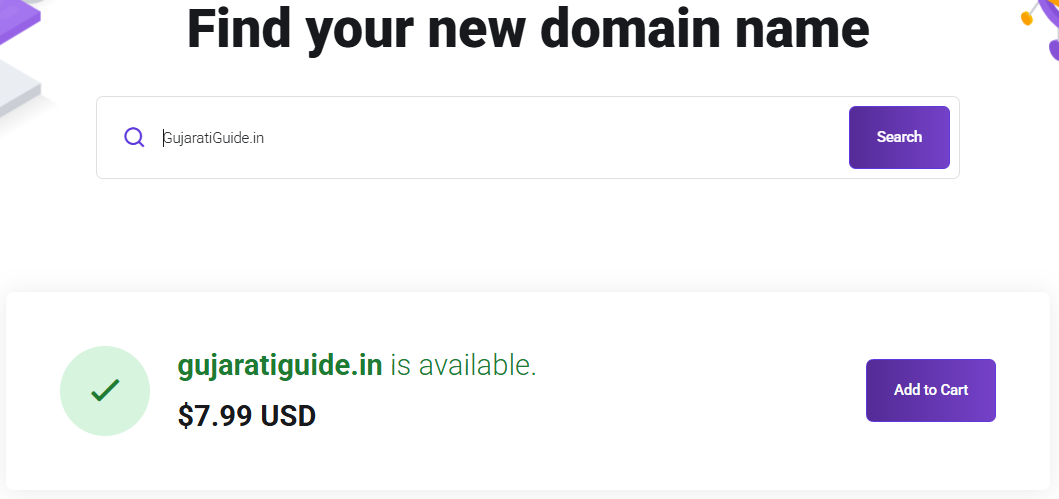
- Brandable: DesiNest, LocalVoice, GujaratiGuide
Best TLD choices:
- Primary: .com, .in
- Acceptable: .co.in, .blog
Gujarati script IDN domains (for example, ગુજરાતી.ભારત) are good for branding, but keep an English short link as well to make sharing easier.
Social handle consistency:
Check whether the same name is available on YouTube, Instagram, Facebook, and X. Using the same handle across platforms increases brand authority and trust.
Free vs Paid Hosting – What’s Better for Beginners?
Free hosting (why to avoid it?): Free hosting is usually slow, has frequent downtime, forced ads, and limited resources. Poor Core Web Vitals reduce SEO performance and make AdSense approval difficult. Security and backup features are also compromised.
Paid hosting (why it is worth it?): Paid hosting offers faster loading with NVMe SSD storage, LiteSpeed servers, and strong uptime. You also get free SSL, automatic backups, and malware protection. All of this is SEO friendly and supports long term blog growth.
Best Hosting Setup for Beginners in 2026
The ideal WordPress hosting setup for 2026 includes NVMe SSD storage, LiteSpeed or OpenLiteSpeed servers, a data center in India or a nearby region, CDN integration, and a WordPress optimized environment. This combination improves LCP, CLS, and INP scores.
- NVMe SSD: 5-10× faster input/output performance, smooth even with heavy plugins
- LiteSpeed + QUIC.cloud: Powerful caching, HTTP/3 support, and image optimization
- India based data center: Lower latency near cities like Ahmedabad, Mumbai, or Delhi
- Free SSL + daily backups: Better trust, security, and easy recovery
- One click WordPress + staging: Fast deployment and safe testing
This setup gives beginners a strong, fast, and SEO friendly foundation for long term blog growth.
Set Up Hosting with YouStable – (Step-by-Step)
I work as a senior technical SEO content writer at YouStable, and the steps below have proven effective for regional bloggers.
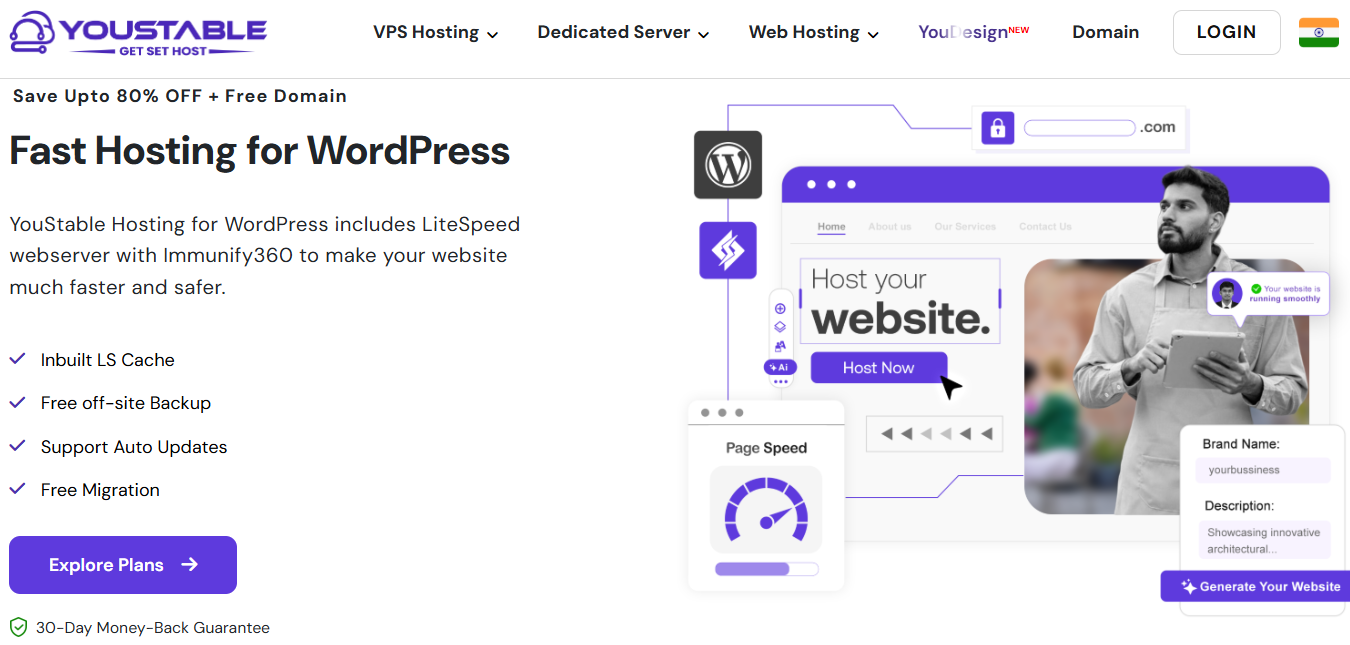
- Visit the YouStable website and choose a WordPress hosting plan (start with the starter plan).
- Select a server location close to your audience (India or Asia).
- Register a new domain or connect an existing one.
- Complete the checkout and access the dashboard.
- Install WordPress using the one click installer.
- Enable free SSL and configure LiteSpeed Cache.
- Integrate QUIC.cloud or Cloudflare CDN.
YouStable offers fast India based servers, WordPress friendly support, and performance focused hosting for regional bloggers, which helps with better speed and rankings from the beginning.
| YouStable WordPress Hosting Plans & Pricing Table in 28th April 2026 | ||||
|---|---|---|---|---|
| Plans Name | Websites | Storage | Bandwidth | Monthly Pricing |
| DaStart | 1 | 50GB NVMe SSD | Unmetered | $0.65/mo |
| DaProfessional | 25 | 100GB NVMe SSD | Unmetered | $1.31/mo |
| DaElite | Unlimited | 200GB NVMe SSD | Unmetered | $2.42/mo |
Install WordPress & Set Up Your Gujarati Blog
WordPress Installation: Install WordPress using Softaculous or Installatron with one click. Enable HTTPS from the moment your site goes live, and secure the admin area with a strong password and two factor authentication (2FA).
Basic Settings: Set the site language to Gujarati, choose the timezone Asia/Kolkata, and use Post Name for permalinks. Configure the site title, tagline, and favicon.
Essential Pages: Create the About, Contact, Privacy Policy, and Disclaimer pages. Set up a contact form to receive email notifications.
Essential Plugins (Lean Stack):
- SEO: Rank Math or Yoast
- Caching: LiteSpeed Cache
- Security: Wordfence or Solid Security
- Backups: UpdraftPlus
- Image optimization: ShortPixel or Imagify
- Forms: WPForms or Contact Form 7
- SMTP: FluentSMTP
This setup helps you run a fast, secure, and SEO friendly Gujarati blog from the start.
Best Blogging Platform to Start a Blog in Gujarati
The platform you choose at the beginning decides your long term scalability. The more control you have, the easier SEO and monetization become.
For Gujarati blogging, WordPress is the gold standard. It is open source, has a large ecosystem, and gives you full ownership of your website.
Why WordPress is the best choice:
It offers complete SEO control (titles, meta descriptions, schema), thousands of themes and plugins, and full flexibility for monetization through affiliates, AdSense, and courses. Blogger and Medium are easier to start with, but they offer limited control, and migration or scaling can become difficult later.
Content Ideas & Choosing the Right Niche
Evergreen vs Trending:
Evergreen content (such as finance basics, skill guides, and recipes) brings long term traffic. Trending content (like government scheme updates, local news, or gadget launches) creates short term traffic spikes. A healthy balance of both works best.
Search intent and monetization:
Write content that solves real audience problems queries like “how to,” “best,” and “price.”
Affiliate friendly niches include home appliances, mobile phones, hosting, and ad tech tools.
Local friendly niches include travel itineraries, food, and career or exam guidance.
Gujarati content ideas (examples):
- Government scheme guides
- GST and ITR explained in Gujarati
- Small business tips
- Easy explanations of coding and AI tools
- Nature and local tourism
- Vegetarian and Jain recipes
- Health and Ayurveda
- City based guides
Choosing the right niche means matching user demand, search intent, and monetization potential while staying consistent with quality content.
Importance of Consistency and Patience
Blogging is a compounding game. In the first 90 days, you build the foundation. Around six months, signs of topical authority start to appear, and by twelve months, growth becomes more stable and visible.
Keep following the Publish → Analyze → Improve cycle. Tools like Google Search Console, Google Analytics 4, and Rank Math help you track progress and make data based improvements.
How to Write SEO Friendly Content for a Gujarati Blog
Writing SEO friendly content in Gujarati is a strong advantage today. When done correctly, Gujarati blogs can compete with and even outperform English websites because competition is lower and user trust is higher.
The key rule is simple: write for users first, then optimize for search engines.
The 5 step process below aligns with modern search behavior, Helpful Content principles, and real ranking factors.
Step 1. Write Original, Useful, and Experience Based Content
Avoid copy paste content and low quality AI generated text. Google can easily detect thin or repeated content, especially in regional languages.
What works best:
- Share real experience, local examples, and step by step explanations
- Add screenshots, tables, examples, or short visuals where helpful
- Answer the reader’s problem clearly, without unnecessary filler
Keep the language:
- Simple and natural Gujarati
- Short paragraphs (2-4 lines)
- Clear headings that explain what comes next
Good content should make the reader feel: “This was written for me.”
Step 2. Keyword Research (Gujarati + Regional Intent)
Keyword research is not about stuffing words it’s about understanding how people actually search.
Use these sources:
- Google Autocomplete (type Gujarati queries and see suggestions)
- People Also Ask (PAA) questions
- Google Trends (for seasonality and rising topics)
- AnswerThePublic for question based ideas
Also target Gujarati transliteration searches, such as:
“yojana kevi rite apply karvi” or “business sharu karva tips”
Improve relevance with regional modifiers:
- City or area names (Ahmedabad, Surat, Rajkot)
- Time context (2026 update, latest rules)
- Language intent (Gujarati guide, Gujarati tips)
Before writing, always check the top 10 Google results, identify what they missed, and fill that gap clearly.
Step 3. Strong On Page SEO (Without Over Optimization)
On page SEO helps Google understand your content structure.
Best practices:
- Use the main keyword naturally in Title and H1
- Add numbers or year only when relevant (for clarity, not spam)
- Keep URLs short and clean, preferably in English transliteration for easy sharing
Meta description should:
- Be 140-160 characters
- Clearly state the benefit of reading the article
- Match the search intent
Add structured data (schema) where relevant:
- Article schema for blog posts
- FAQ schema for common questions
- HowTo schema for step by step guides
Use internal links to connect related posts and build topical authority, not random links.
Step 4. Images, Performance, and Internal Linking
Images and speed directly affect user experience and rankings.
Follow these rules:
- Use WebP images and compress them properly
- Add meaningful Gujarati alt text (describe the image, not keywords)
- Avoid large images that slow down pages
Performance targets to aim for:
- LCP under 2.5 seconds
- CLS below 0.1
- INP under 200 ms
Internal linking tips:
- Add 3-5 contextual links per article
- Link to relevant guides, not just categories
- Keep important pages within 3 clicks from the homepage
- Use breadcrumbs and clean category structure
This helps both users and search engines navigate your site better.
Step 5. Update and Improve Content Regularly
SEO is not “write once and forget.”
Every 90-120 days:
- Revisit older posts
- Update dates, prices, steps, and screenshots
- Add new FAQs if search behavior changes
Showing an “Updated on” date:
- Improves click through rate
- Sends freshness signals to Google
- Keeps your content competitive
Content that evolves over time performs better than content that stays static.
How to Rank Your Gujarati Blog on Google
Ranking on Google does not depend only on backlinks. It happens when multiple signals work together in the right balance. For Gujarati blogs, this balance is even more important because Google closely evaluates usefulness, trust, and regional relevance.
Below are the 7 core pillars that actually help Gujarati blogs rank.
1. Search Intent Match (Most Important)
Your content must match exactly what the user is looking for.
Before writing, identify the intent:
- How to (steps, process, guide)
- Best (comparison, list, recommendation)
- Price / Cost (fees, charges, budget)
- Information (rules, meaning, explanation)
Best practice:
- Answer the main question clearly in the first few paragraphs
- Use People Also Ask (PAA) questions as subheadings
- Avoid mixing multiple intents in one article
If the intent is satisfied quickly, Google sees your page as helpful.
2. Build Topical Authority (Not Just Single Posts)
Google prefers websites that cover a topic deeply, not sites with random posts.
How to do this correctly:
- Choose one clear niche
- Create 1 pillar article (main guide)
- Support it with 6-10 related articles
- Link all supporting posts back to the pillar
Example:
- Pillar: “Gujarati Government Schemes Guide”
- Supporting posts: individual scheme explainers, eligibility, application steps
This structure tells Google: “This site understands this topic.”
3. Smart Internal Linking Structure
Internal links help Google understand content hierarchy.
Follow this model:
- Pillar → Child posts
- Child posts → Pillar
- Related child posts link to each other naturally
Rules to follow:
- Use descriptive, natural anchor text
- Avoid generic anchors like “click here”
- Place links inside paragraphs, not just menus
This improves crawlability and spreads ranking power across pages.
4. Page Speed & Core Web Vitals
Slow sites lose rankings and users especially on mobile.
What actually helps:
- LiteSpeed Cache with proper presets
- QUIC.cloud or CDN integration
- Critical CSS enabled
- Object Cache (Redis if available)
- Font preload and JS defer/delay
Target benchmarks:
- LCP < 2.5 seconds
- CLS < 0.1
- INP < 200 ms
Fast loading Gujarati sites perform much better in search results.
5. Strong EEAT Signals (Trust Matters More in Regional Content)
Google checks who is behind the content.
You must clearly show:
- Author bio with real experience
- About and Contact pages
- Privacy Policy and Disclaimer
- Cited sources where applicable
- Screenshots, examples, and real world tips
Experience based content ranks better than generic summaries.
6. Content Freshness & Accuracy
Outdated information hurts rankings.
What to update regularly:
- Year and dates
- Prices, fees, and rules
- Government scheme steps
- Screenshots and interface changes
Best practice:
- Clearly show “Last Updated on” date
- Explain what changed (steps, policy, process)
Fresh content gets higher trust and better click through rates.
7. Natural Backlinks (Quality Over Quantity)
Backlinks still matter but only natural, relevant ones.
Good sources for Gujarati blogs:
- Local news or community websites
- Regional blogs and resource pages
- Guest posts on relevant niches
- Original data, charts, or infographics
Avoid:
- Paid link schemes
- Spam directories
- Irrelevant foreign links
One strong local backlink is better than ten weak ones.
Ways to Make Money from a Gujarati Blog in 2026
Monetization depends on content market fit. In the first 60-90 days, focus on building a strong foundation quality content, traffic, and trust. Once that base is stable, monetization becomes much easier and more sustainable.
It’s also important to diversify revenue, so your income does not depend on just one platform or algorithm.
1. Google AdSense
Google AdSense works well for Gujarati informational blogs once traffic starts coming in.
Best practices:
- Apply after publishing 20-30 high quality, original articles
- Make sure the site is fast, mobile friendly, and easy to navigate
- Keep Privacy Policy, About, Contact, and Disclaimer pages ready
- Avoid aggressive ad placement that harms user experience
AdSense income grows steadily as traffic and page views increase.
2. Affiliate Marketing
Affiliate marketing often earns more than ads when done correctly.
What works best:
- Product reviews
- “Best X in 2026” buying guides
- Comparison articles with clear pros and cons
Popular affiliate categories:
- Mobile phones and gadgets
- Home appliances
- Hosting and software tools
- Online services and platforms
Always add a clear affiliate disclosure and recommend products honestly. Trust converts better than hype.
3. Sponsored Posts
Once your blog gains visibility, local brands and startups may approach you for paid posts.
How to prepare:
- Create a simple media kit
- Share traffic numbers, audience location, and engagement data
- Maintain editorial integrity don’t promote low quality products
Sponsored content works especially well for local niches like travel, food, education, and services.
4. Digital Products
Digital products give you full control over pricing and profit.
Good options for Gujarati blogs:
- eBooks
- Cheat sheets and checklists
- Mini courses or guides
You can sell them using platforms like Gumroad, Teachable, or WooCommerce. Once created, digital products can generate income repeatedly with minimal effort.
5. Freelancing and Services
Your blog itself becomes a portfolio.
Common services Gujarati bloggers offer:
- Content writing
- SEO services
- WordPress setup and maintenance
- Translation or localization work
Service based income is often the fastest way to earn in the early stages.
6. Local Business Leads
If your blog targets cities or regions, lead generation can be very profitable.
Examples:
- City guides
- Service listings
- Local business directories
Use:
- Simple inquiry forms
- WhatsApp call to action buttons
- Click to call phone tracking
Businesses pay well for qualified local leads.
7. YouTube + Blog Combo
Combining video and written content multiplies reach.
Effective strategy:
- Explain the topic briefly on YouTube
- Publish a detailed blog post for deeper understanding
- Cross link both platforms
This improves CTR, brand recognition, and trust, while opening multiple income streams.
FAQs
How much does it cost to start a Gujarati blog?
For starter hosting and a domain, ₹2,000-₹4,000 per year is usually enough. The cost increases if you buy premium themes or plugins, but in the beginning, a free theme and essential free plugins work perfectly well.
Blogger or WordPress which is better for beginners?
For long term growth, SEO control, and monetization, WordPress is the best choice. Blogger is easy to start with, but it has limited control and scalability. For 2026, WordPress is strongly recommended.
How long does it take to see traffic?
If you publish 8-12 quality articles per month, organic traffic usually starts appearing in 3-4 months. In 6-12 months, topical authority and monetization become more stable.
Can I mix Gujarati and English in content?
Yes, but keep one main language clear. Headings and titles should be in Gujarati, while technical terms can remain in English. It’s better to keep the URL slug in English transliteration.
What is required for AdSense approval?
You need original and helpful content (20-30 posts), About/Contact/Privacy/Disclaimer pages, a mobile friendly design, a fast website, and clear navigation. Following AdSense policies is mandatory.
After how many posts can a blog start earning?
It depends on content quality and search demand. Generally, after 30-50 targeted posts, AdSense or affiliate income starts showing momentum. Niche selection and SEO play a major role.
Will changing hosting affect SEO?
If migration is done properly and DNS is switched on time, the impact is minimal. In fact, better speed and uptime can positively improve rankings. Always take a full backup before migrating.
Conclusion
Blogging in Gujarati is a big opportunity in 2026. Users are actively looking for quality guidance in their local language, and Google is promoting helpful, EEAT based content more than ever.
With the right domain, fast NVMe + LiteSpeed hosting, a solid WordPress setup, and smart SEO, you can start seeing strong results within 3-6 months. Consistent publishing, regular analysis, and timely updates are the real keys to long term success.
Start today choose your niche, set up domain and hosting, write your first 10 quality articles, and submit your sitemap to Search Console. With the right foundation, your Gujarati blog can become a long term digital asset that generates traffic and income for years to come.