To start a health blog, pick one health topic you can write about honestly, register a domain and get WordPress hosting, build the site with an AI WordPress builder or a one-click install, add a medical disclaimer and an About page that states who you are, then publish well-sourced, practical content on a steady schedule. The setup itself takes an afternoon. What takes longer, and what most guides skip, is handling the trust and accuracy bar that health content is held to.
This guide covers how to start a health blog step by step, a first-year cost breakdown in rupees, health blog niche ideas that are not oversaturated, how Google treats health content differently from a normal blog, and the disclaimer, sourcing and monetization rules that keep a health blog out of trouble instead of getting it quietly buried in search results.
What Is a Health Blog?
A health blog is a website that publishes articles about physical health, mental wellness, nutrition, sleep, chronic conditions or general wellbeing for a specific audience. The strongest health blogs do not try to cover every health topic that exists. They focus on one angle, such as managing a specific condition, wellness for a specific life stage, or evidence-based nutrition, and they build a reputation inside that one lane.
A health blog is different from a fitness blog or a food blog in one important way. Readers researching workouts or recipes are looking for ideas. Readers researching health topics are often looking for answers about their own body or a condition they are worried about, which is exactly why Google and other search engines hold this content to a higher bar than almost any other blogging niche.
The YMYL Rule Health Blogs Cannot Ignore
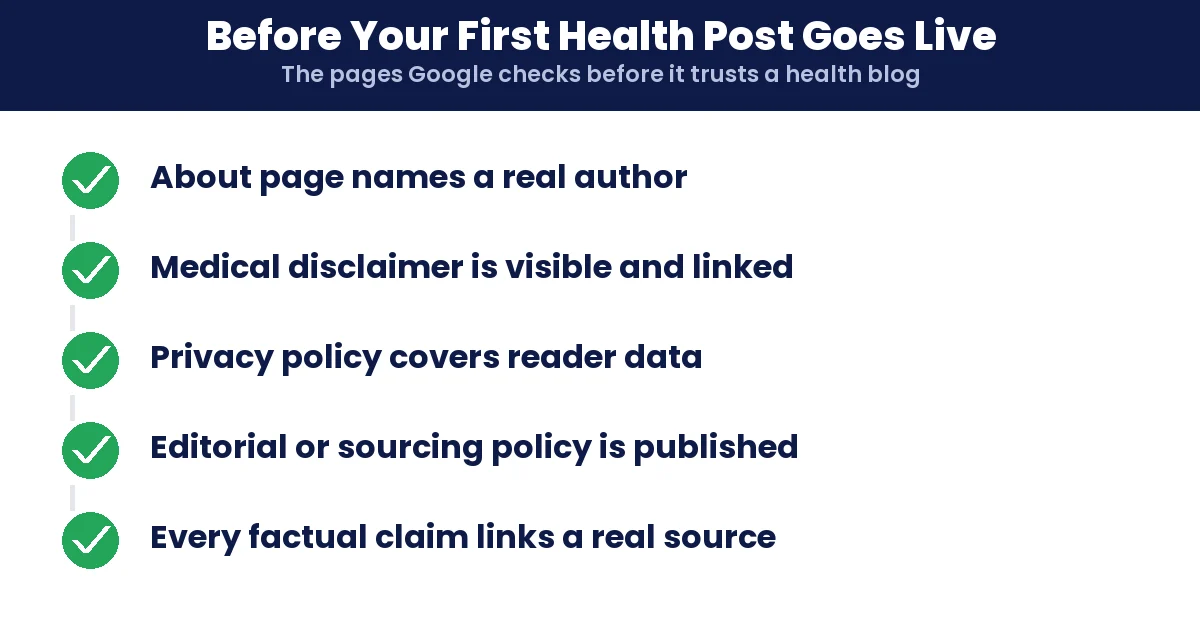
Google classifies health content as Your Money or Your Life content, usually shortened to YMYL. Pages that could affect a reader's health, safety or finances are checked against a stricter version of Google's quality guidelines than a travel blog or a gaming blog ever will be. In practice, this shows up as three things a health blog needs that other niches can skip.
- A real author, not a pen name. Every health post should carry a named author with an About page that says what qualifies them to write about the topic, even if that qualification is lived experience rather than a medical degree.
- A visible medical disclaimer. A short, honest line stating the content is for information only and is not a substitute for professional medical advice, placed on every health post and linked from the footer.
- Sources for anything factual. Claims about symptoms, treatments, supplements or research results need a real source behind them, not a rewritten summary of another blog that also did not cite anything.
None of this means you need a medical license to start a health blog. It means you write inside your actual knowledge, you say clearly when you are sharing a personal experience rather than medical fact, and you never let a post read like a diagnosis. A blog about managing migraines as a patient who has lived with them for a decade is a legitimate angle. A blog that tells readers how to treat a specific disease is not, unless a qualified professional is writing and reviewing it.
How Much Does It Cost to Start a Health Blog in India?
| Item | Typical Cost | Notes |
|---|---|---|
| Domain name | ₹99 to ₹999 per year | Often free for the first year with annual hosting |
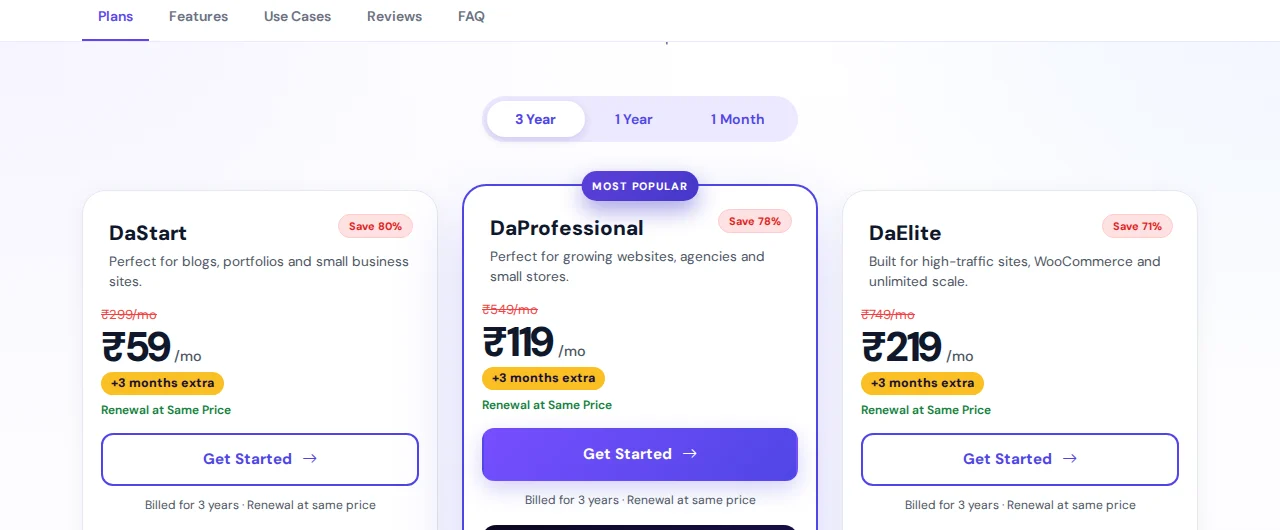
| WordPress hosting | From ₹59 per month | Shared hosting is enough until you cross a few thousand visits a month |
| Theme | Free to ₹3,000 one-time | A free theme or an AI website builder covers most beginners |
| Essential plugins | Mostly free | SEO, caching and security plugins have solid free tiers |
| Stock or original images | Free to ₹2,000 | Your own photos build more trust than stock health imagery |
A self-hosted health blog is realistically a few hundred rupees a month to run in year one. The domain and hosting are the only costs that are not optional, and both are small enough that cost is rarely the real reason a health blog does not get started.
How to Start a Health Blog in 2026: Step-by-Step
Step 1: Pick a Health Angle You Can Write Honestly About
Choose the narrowest version of a health topic that you can speak about with genuine knowledge or lived experience. "Health and wellness" is not a starting niche, it is an entire industry. "Managing PCOS through diet as someone diagnosed with it" or "mental health for new parents" are niches you can actually build authority in within a year.
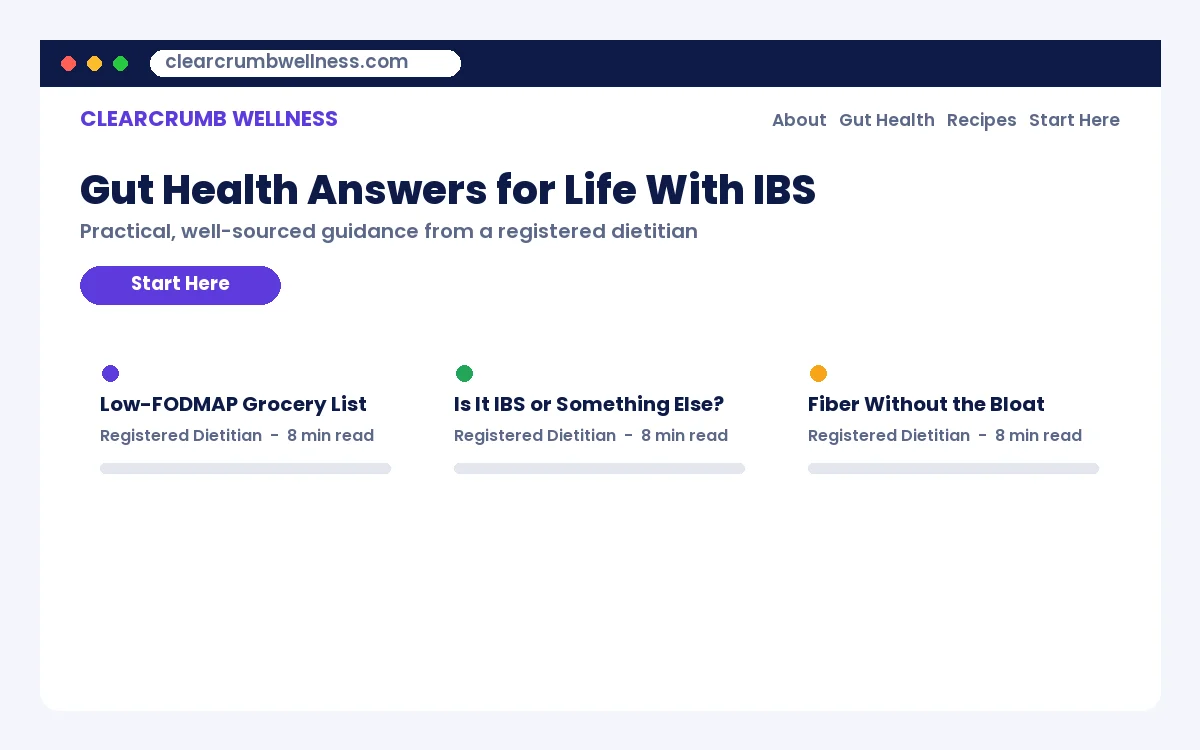
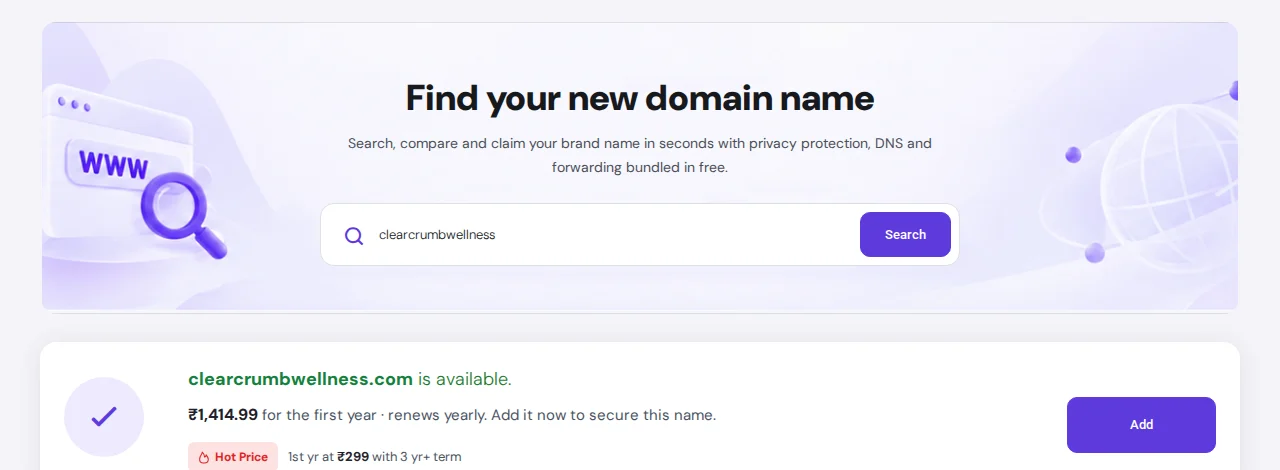
A fictional example used through the rest of this guide: Meera is a registered dietitian who wants to blog about gut health for people with irritable bowel syndrome, under the name clearcrumbwellness.com. Her qualification is real and her niche is specific enough to rank for.
Step 2: Register a Domain and Get WordPress Hosting
Pick a domain name that is easy to say out loud and does not box you into one narrow sub-topic forever. Pair it with WordPress hosting built for beginners, since WordPress still runs the large majority of health and wellness blogs online and has the widest plugin support for SEO, security and accessibility, all of which matter more on a YMYL blog than on a hobby blog. Our broader guide on how to make a website from scratch walks through the domain and hosting setup in more detail if this is your first site.
Step 3: Build the Site
Two realistic paths here. The fast path is an AI website builder that generates a full layout, pages and starter content from a short description of your blog, which you then edit line by line. The manual path is installing WordPress, picking a lightweight theme and building pages one at a time. Either way, a health blog needs five pages beyond the homepage before it needs a single article: About, Medical Disclaimer, Editorial Policy, Contact and Privacy Policy. Skipping these is the single most common mistake health bloggers make in month one.
Step 4: Write Your About Page and Disclaimer First
Write these before your first article, not after. The About page should say plainly who you are, what your actual background is, and why you are writing about this topic. The disclaimer should say the content is informational, is not medical advice, and that readers should consult a qualified professional for their own situation. Neither needs to be long. Both need to be honest and easy to find.
Step 5: Publish Your First Ten Posts Around One Core Topic
Resist covering ten different health topics in your first month. Publish ten posts inside your chosen niche so the site reads as a focused resource rather than a general health blog guessing at everything. Link related posts to each other as you go, since a cluster of connected posts on one topic tends to earn more trust, both from readers and from search engines, than ten unrelated posts ever will.
Health Blog Niche Ideas That Are Not Oversaturated
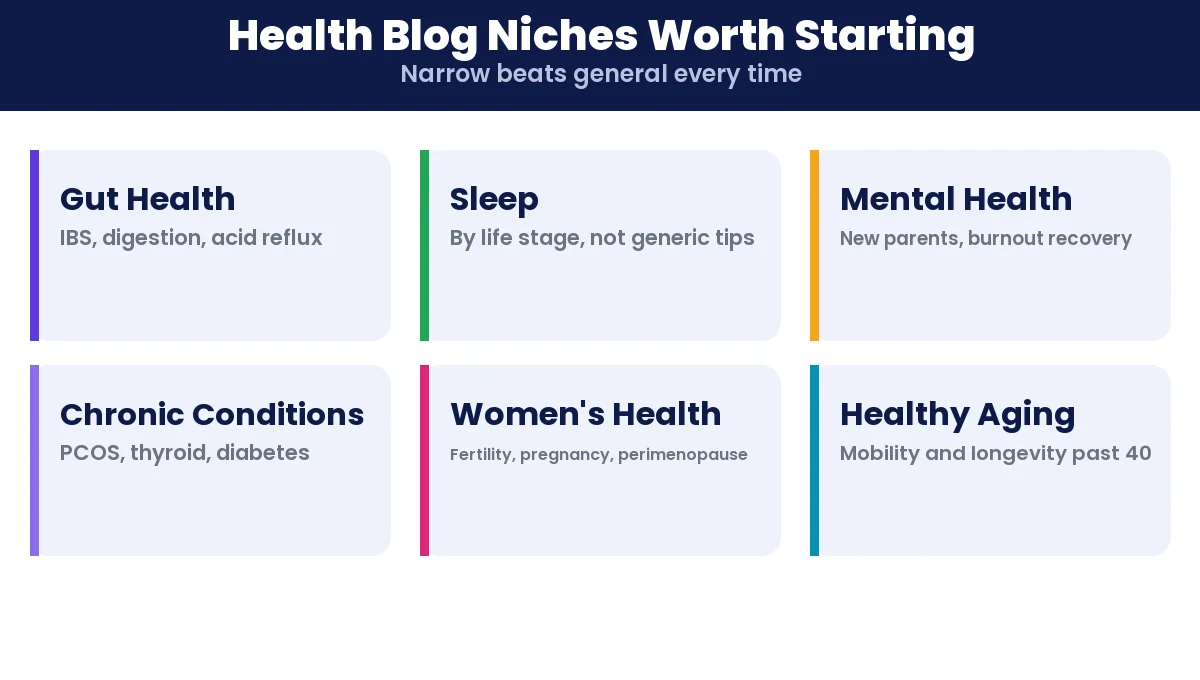
- Gut health and digestion for a specific condition such as IBS or acid reflux, written from lived experience or a nutrition background.
- Sleep for a specific group, such as new parents, shift workers or people over 50, instead of generic sleep tips.
- Mental health for a specific life stage, such as postpartum anxiety or burnout recovery for healthcare workers.
- Chronic condition management, such as living with PCOS, thyroid issues or type 2 diabetes, from a patient or caregiver perspective.
- Women's health by life stage, covering fertility, pregnancy or perimenopause with real sourcing behind every claim.
- Healthy aging and longevity for a specific audience, such as desk workers trying to stay mobile past 40.
Every one of these works better as a narrow lane than as a general health blog, because narrow lanes let you actually become the most trusted source on one thing instead of a shallow voice on everything.
How Health Bloggers Make Money
Health and wellness is one of the stronger affiliate categories online, since supplements, wearables, meal kits, fitness equipment and health apps nearly all run affiliate programs. The honest version of this income stream depends on one habit: disclose every affiliate relationship clearly, near the link itself, not buried in a single footer line, and only recommend products you would genuinely suggest to a friend with the same condition.
- Affiliate links for supplements, wearables, books and health apps, disclosed clearly.
- Display ads once traffic is consistent, usually after the site has a steady few thousand monthly visits.
- Digital products such as meal plans, symptom trackers or guides, built around your specific niche.
- Paid coaching or consulting, only if you hold the actual qualification the service requires.
Avoid supplement or treatment affiliate deals that ask you to make a specific health claim in exchange for a bigger commission. That trade is rarely worth what it costs a health blog's credibility, and it is exactly the kind of content Google's quality guidelines are built to catch.
Common Mistakes When You Start a Health Blog
- Writing like a diagnosis. "Here is what your symptoms mean" reads as medical advice. "Here is what helped me and what my dietitian suggested" reads as a real story.
- No visible author identity. Anonymous health content loses reader trust and ranking trust at the same time.
- Rewriting other blogs instead of sourcing originals. If a claim traces back to one study, link that study, not three blog posts that each summarized it slightly differently.
- Chasing every trending supplement. Trend-chasing content ages badly and rarely builds the kind of returning readership a health blog needs.
- Skipping the disclaimer and privacy policy. Both are quick to add and both are checked, by readers and by search engines, before either trusts a health site.
FAQs
How do I start a health blog with no medical background?
Write from lived experience or verified sources rather than claiming expertise you do not have. State clearly on your About page that you are not a medical professional, add a disclaimer, and focus on sharing your own journey or well-sourced research rather than giving diagnoses or treatment advice.
How much does it cost to start a health blog in India?
A self-hosted health blog typically costs a few hundred rupees a month in year one. WordPress hosting starts from ₹59 per month, domains are often free for the first year with annual hosting, and WordPress itself along with a basic theme is free.
Do I need a medical disclaimer on a health blog?
Yes. A visible disclaimer stating your content is informational and not a substitute for professional medical advice is one of the clearest trust signals a health blog can show, both to readers and to search engines that treat health content as YMYL content.
What does YMYL mean for a health blog?
YMYL stands for Your Money or Your Life. Google holds pages that could affect a reader's health, safety or finances to a stricter quality bar, which means named authors, visible disclaimers and sourced claims matter more on a health blog than on most other niches.
Can I make money from a health blog?
Yes, mainly through affiliate links for supplements, wearables and health apps, display ads once traffic is steady, digital products such as meal plans or trackers, and coaching if you hold the relevant qualification. Disclose every affiliate relationship clearly near the link itself.
What are good health blog niche ideas for beginners?
Narrow angles work best: gut health for a specific condition, sleep for a specific life stage, mental health for new parents, chronic condition management from a patient perspective, or women's health by life stage, rather than a general health blog covering everything.
Can I build a health blog automatically with AI?
Yes. An AI website builder can generate the layout, pages and starter content from a short description of your blog. You still need to personally write or edit the health content itself, add your real credentials, and review every factual claim before publishing.
Conclusion
Starting a health blog is a normal WordPress setup with one extra layer on top: everything you publish needs to be honest about who you are, clear about what it is not, and traceable back to a real source. Pick a narrow health angle you genuinely understand, get a domain and hosting, add your About page and disclaimer before your first article, and publish inside that one lane until it is the clear, trusted resource for the readers searching it.