Every day, millions of pet owners search online for trusted advice about pet care, training, food, grooming, health, and pet behavior. That is exactly why pet blogging continues growing rapidly and why many pet blogs now attract long term Google traffic, loyal readers, and income opportunities.
Many successful pet blogs started very simply with:
- One focused niche
- Helpful and consistent content
- Basic SEO understanding
- A simple website setup
- Long term patience and consistency
Over time, those blogs slowly built trust, authority, and strong online visibility. At the same time, many beginners fail because they choose the wrong niche, ignore SEO, publish weak content, or quit too early after not getting quick traffic.
The good news is that starting a pet blog is now much easier than most beginners expect. Modern blogging platforms and AI website tools have simplified much of the setup process, even for people without technical knowledge.
Here, we have explained the complete step-by-step process in simple language, including how to choose the right niche, set up your blog properly, create SEO friendly content, grow traffic, and turn your pet blog into a successful long term online asset.
Complete Step by Step Process To Start Your Pet Blog in 2026
Starting a pet blog may feel confusing at first, especially when you are wondering where to begin. Questions like Which niche should I choose? How do I create my website? How can I grow my blog later? can easily come to mind.
The good thing is that when you follow the right process, everything becomes much simpler. Here, you will learn each step clearly, from choosing your niche and setting up your blog to growing traffic and building long term success.
Step 1: Choose the Right Pet Blog Niche
One of the biggest mistakes many beginners make is starting a pet blog without choosing a clear niche. At first, creating a general blog about “all pets” may sound like a good idea, but broad websites usually take much longer to grow because both readers and search engines become confused about the main topic of the website.
Think about it like this.
If someone searches for:
- Puppy training tips
- Best cat food
- Bird cage setup
- Fish tank cleaning
and your website covers everything randomly, it becomes harder for Google to understand what your blog actually specializes in.
That is why choosing a focused niche is extremely important in the beginning.
A niche helps:
- Build stronger topical authority
- Improve SEO rankings
- Attract the right audience
- Create loyal readers
- Grow traffic faster
Instead of creating a general “pets blog,” it is usually smarter to focus on a specific category first.
Some of the most popular pet blog niches include:
1. Dog Blog
Dog blogs are one of the most profitable pet niches because dog owners regularly search online for puppy care, dog training tips, food
recommendations, grooming advice, health information, behavior solutions, and trusted product reviews for their pets daily.

Popular dog blog topics include:
- Dog training tips
- Puppy care guides
- Dog food recommendations
- Grooming advice
- Dog health information
- Product reviews
This niche has strong traffic potential because people regularly spend money on:
- Dog food
- Toys
- Training products
- Grooming tools
- Pet accessories
That also makes affiliate marketing easier later.
2. Cat Blog

Cat blogs are also highly popular because cat owners regularly search online for helpful advice related to cat care, behavior, grooming, nutrition, and indoor cat management.
This niche has strong traffic potential because many cat owners actively look for trusted solutions, product recommendations, and beginner friendly pet care guidance daily.
Popular cat blog topics include:
- Cat nutrition guides
- Indoor cat care
- Litter training tips
- Cat grooming advice
- Cat toy recommendations
- Common cat behavior problems
Cat related affiliate products also perform very well because cat owners frequently buy:
- Cat food
- Cat litter
- Toys
- Furniture
- Grooming products
3. Pet Training Blog
Pet training blogs are highly popular because many pet owners regularly search online for solutions related to obedience training, puppy
behavior, socialization, barking problems, positive reinforcement methods, and other common pet training challenges they face daily.

This niche usually includes topics such as:
- Obedience training
- Puppy training
- Behavioral problems
- Positive reinforcement methods
- Training equipment
- Socialization tips
This type of content performs well in search engines because users often search for direct solutions to specific problems.
For example:
- “How to stop dog barking”
- “How to potty train a puppy”
- “How to train a cat”
Problem solving content usually attracts highly targeted traffic.
4. Pet Health and Care Blog
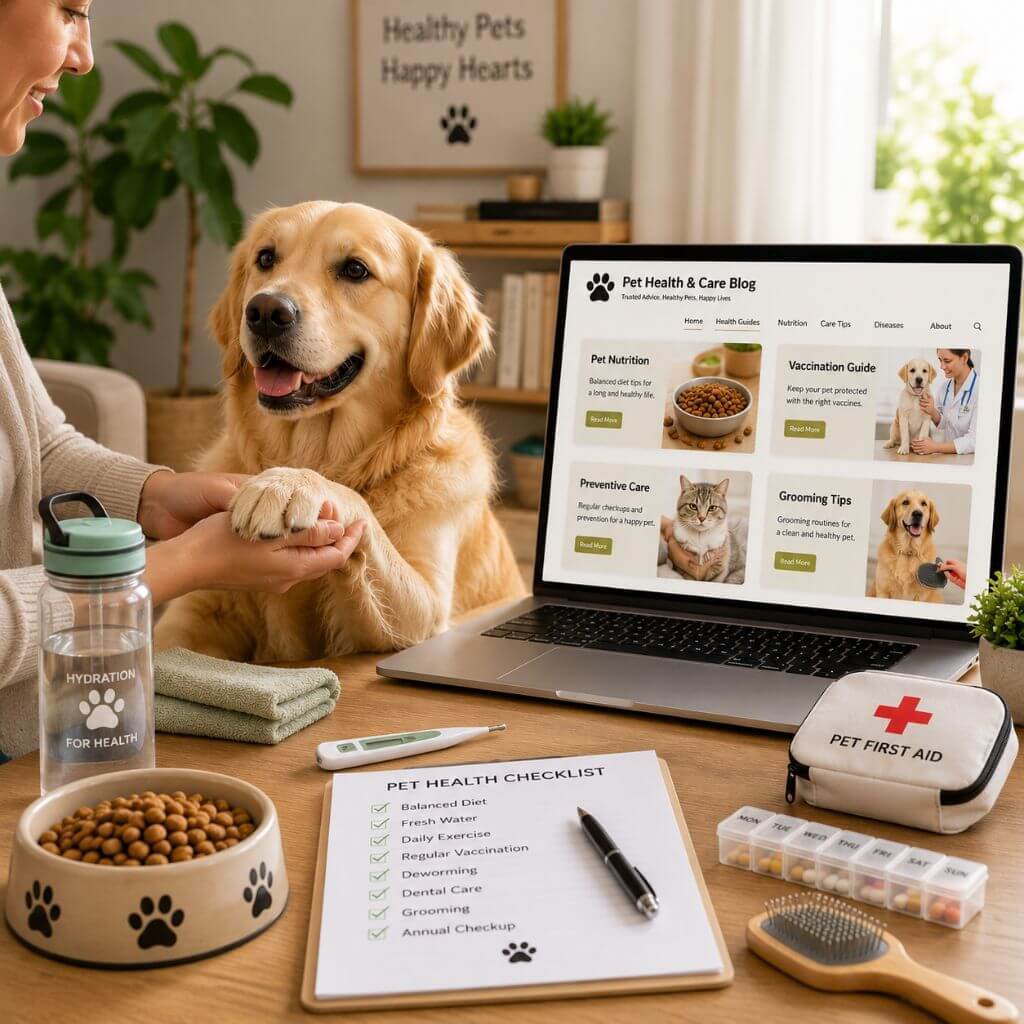
Pet health and care blogs are highly trusted because pet owners regularly search online for reliable advice related to pet nutrition,
vaccinations, grooming, exercise routines, preventive care, and common health problems to keep their pets healthy and active.
Common topics include:
- Pet nutrition
- Vaccination information
- Exercise routines
- Grooming guides
- Preventive pet care
- Common health problems
This niche helps build strong trust and long term authority because readers usually return regularly for reliable pet care information.
However, accuracy becomes extremely important in health related content, so always use trustworthy and updated information.
5. Multi Pet Blog
Multi pet blogs are useful for creators who want to cover different animals together, including dogs, cats, birds, fish, rabbits, and exotic pets.
This niche provides broader content opportunities, but building strong topical authority and SEO growth usually takes more time initially.

For example, the blog may include:
- Dogs
- Cats
- Birds
- Fish
- Rabbits
- Exotic pets
This approach gives you broader content opportunities, but it can take longer to build topical authority because the website covers many subjects at the same time.
For beginners, focusing on one main category first is usually the smarter option.
How to Choose a Profitable Pet Blog Niche
Before choosing your niche, ask yourself a few important questions honestly.
- Which pets do you already understand well?
- Which topics can you consistently write about for months or years?
- Which niche genuinely interests you?
- Are people actively searching for these topics online?
- Can this niche later generate income through products or affiliate marketing?
The best niche is usually the one where:
- You already have genuine interest
- You can create helpful content consistently
- There is long term audience demand
- You enjoy learning about the topic regularly
Do not choose a niche only because it looks profitable.
If you lose interest quickly, maintaining the blog becomes difficult later.
A successful pet blog usually grows when the creator genuinely enjoys helping pet owners and consistently publishes useful content over time.
Choosing the right niche early makes everything easier later:
- SEO becomes stronger
- Content planning becomes simpler
- Audience targeting improves
- Monetization becomes easier
- Long term blog growth becomes faster
Step 2: Choose a Blog Name and Domain Name
Your blog name is one of the first things people notice when they visit your website. Before readers even open your articles, your blog name already creates a first impression in their mind.
That is why choosing the right name is much more important than many beginners think.
A good blog name helps:
- Build branding
- Create trust
- Make your website memorable
- Improve recognition
- Make your blog look more professional
Think about some websites you already remember easily.
Most successful websites use names that are:
- Simple
- Easy to type
- Easy to remember
- Easy to pronounce
The same rule also applies to pet blogs.
If your blog name is too complicated, visitors may:
- Forget it quickly
- Spell it incorrectly
- Struggle to search for it later
That is why keeping your name simple is usually the smartest approach.
A good pet blog name should:
- Be short and simple
- Match your niche
- Sound natural and professional
- Be easy to type correctly
- Avoid numbers and hyphens
Now think practically for a moment.
If someone hears your blog name once, will they remember it tomorrow?
If the answer is yes, then you are already moving in the right direction.
Here are some beginner friendly pet blog name ideas that are more likely to feel brandable and professional:
- PetNestDaily.com
- PawCareJournal.com
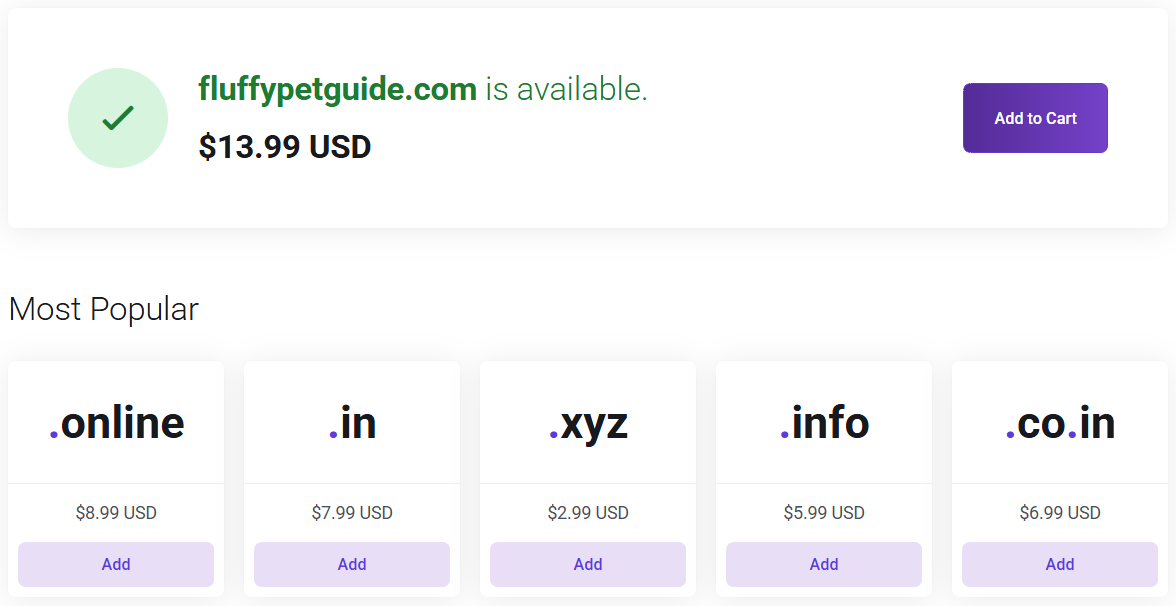
- FluffyPetGuide.com
- HappyTailNotes.com
- PetLovingWorld.com
- DailyPetJourney.com
- SmartPetCorner.com
- PetCareCanvas.com
- PawFriendlyLife.com
- ThePetCareSpot.com
These types of names work well because they are:
- Clean and readable
- Easy to remember
- Brand friendly
- Flexible for future growth
Choose a Domain Name Carefully
After selecting your blog name, the next important step is buying a domain name.
A domain name is simply your website address on the internet.
For example:
- yourpetblog.com
- petcareworld.com
- happypawsblog.com
This is the address people type into their browser to open your website.
For most blogs, .com is still considered the best option because:
- People trust it more
- It looks professional
- It is easier to remember
- It works globally
- Most users automatically type .com
That does not mean other extensions are bad, but .com usually works best for long-term branding.
Tips for Choosing the Right Domain Name
Many beginners accidentally choose poor domain names that later create branding problems.
Before buying your domain, keep these important tips in mind:
- Keep It Short: Short domain names are easier to remember and type correctly.
- Avoid Numbers and Hyphens: They often confuse users and look less professional online.
- Choose Easy Words: Complicated spelling increases typing mistakes and reduces memorability.
- Match Your Niche: Your domain should give users a basic idea about your blog topic.
- Think Long Term: Choose a name you can still use years later as your blog grows.
For example, if your domain name is too narrow like:
- PuppyTipsOnly.com
then expanding later into broader pet content may feel limiting.
That is why flexible and brandable names usually work better long term.
How to Buy a Domain Name From YouStable
If you want a beginner-friendly setup with domain registration, WordPress hosting, and website management in one place, YouStable is one of the easiest options for new bloggers.
Their dashboard is simple to manage, and the setup process works well even for users creating their first website.
Buying a domain name is now very simple.
You mainly need to:
- Visit the domain registration page
- Search for your preferred domain name
- Choose a domain extension like .com
- Complete payment securely
- Manage the domain from your dashboard
You can explore domain registration here: YouStable Domain Registration
Free Domain With YouStable WordPress Hosting Plans
One important thing many beginners do not know is that selected YouStable WordPress hosting plans currently include a free domain for one year.
This helps reduce first year blogging expenses because you do not need to purchase the domain separately initially.
According to the latest WordPress hosting plans currently available:
| Hosting Plan | Starting Price | Important Features |
| DaProfessional | $1.25/month | Free domain, SSL, LiteSpeed optimization |
| DaElite | $2.31/month | NVMe SSD, AI caching, advanced security |
These plans also include:
- Free SSL certificate
- NVMe SSD storage
- LiteSpeed optimization
- AI optimized caching
- Imunify360 security
- Free website migration
For beginners starting their first pet blog, this setup is often easier and more affordable compared to buying everything separately from multiple providers.
Step 3: Buy Hosting for Your Pet Blog
After choosing your blog name and domain, the next important step is buying web hosting.
Many beginners become confused here because hosting sounds technical at first. But in simple words, web hosting is the place where all your website files, images, blog posts, and content are stored.
Without hosting, your pet blog cannot go live on the internet.
Think about it like this.
- Your domain name is your website address
- Your hosting is the actual space where your website lives
Both work together to make your website accessible online.
For example, when someone opens your pet blog in their browser, the hosting server delivers all your website content to the visitor instantly.
That is why hosting plays a huge role in:
- Website speed
- SEO performance
- Security
- Stability
- User experience
Many beginners try to save money by choosing extremely cheap hosting, but poor hosting often creates bigger problems later.
A bad hosting provider may cause:
- Slow loading pages
- Website downtime
- Poor mobile performance
- Weak security
- SEO ranking drops
- Visitors leaving quickly
Now imagine this practically.
You spend hours writing helpful pet blog articles, but your website loads slowly every time someone visits.
Most users will leave before even reading your content.
That is exactly why reliable hosting is one of the most important investments for your blog.
Why Hosting Matters for Blog Speed and SEO
Website speed directly affects how people experience your blog.
If your website loads slowly, visitors usually:
- Leave quickly
- Open fewer pages
- Spend less time reading
- Trust the website less
Google also considers website speed an important ranking factor.
That means slow websites often struggle with:
- SEO rankings
- Organic traffic
- Mobile visibility
- User engagement
Fast hosting helps improve:
- Core Web Vitals
- SEO visibility
- Website stability
- Loading speed
- Security
- Mobile experience
This becomes even more important for pet blogs because many users search from mobile devices while looking for:
- Pet care tips
- Training advice
- Food recommendations
- Quick health information
A fast loading website creates a much better experience for readers.
Shared Hosting vs WordPress Hosting
Most beginners usually choose between shared hosting and WordPress hosting.
Here is a simple comparison:
| Hosting Type | Best For | Average Cost |
| Shared Hosting | Beginners and small blogs | $2–$8/month |
| WordPress Hosting | Faster and optimized WordPress blogs | $3–$15/month |
Shared hosting is usually the cheapest option because multiple websites share the same server resources together.
It works well for:
- New blogs
- Small websites
- Beginner projects
- Low traffic websites
However, WordPress hosting is often the better option for bloggers because it is specially optimized for WordPress websites.
WordPress hosting usually includes:
- Faster optimization
- Better caching
- Improved security
- Easier WordPress management
- Better performance for blogs
For beginners creating a pet blog with WordPress, managed WordPress hosting often saves both time and technical effort.
How to Buy WordPress Hosting From YouStable
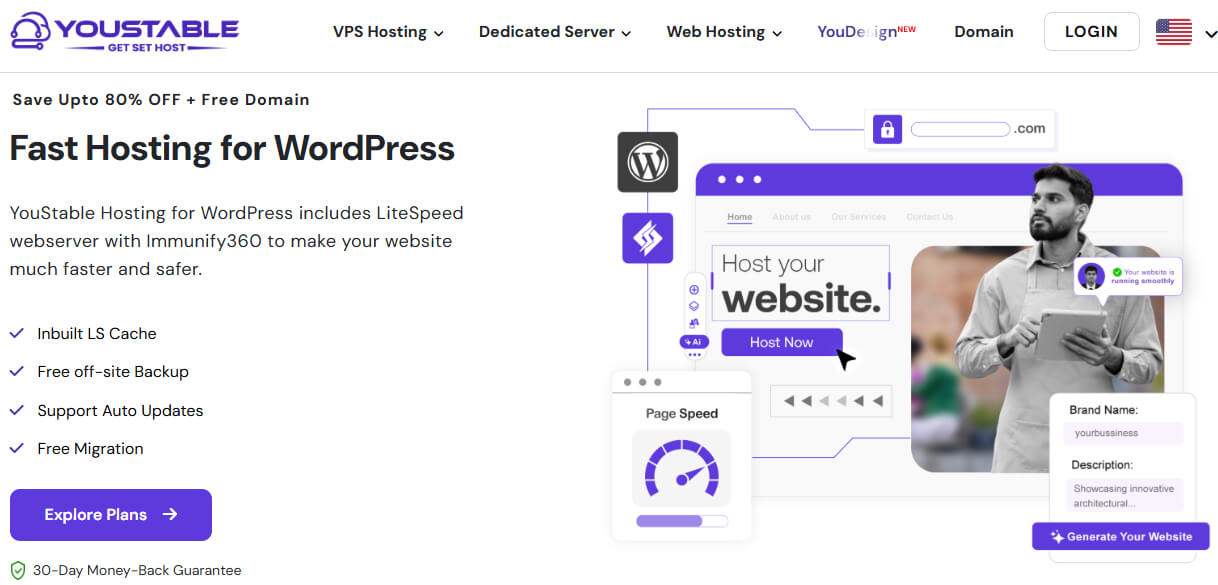
If you are starting your first pet blog, WordPress hosting from YouStable is one of the easiest beginner friendly options because it already includes important blogging features, optimized WordPress performance, and security tools.
The setup process is simple even for users who have never created a website before.
You mainly need to:
- Visit the WordPress hosting section
- Choose a suitable hosting plan
- Connect your domain name
- Complete payment securely
- Install WordPress using one click setup
You can explore WordPress hosting here: YouStable WordPress Hosting
Why Many Beginners Prefer WordPress Hosting
Many new bloggers prefer WordPress hosting because it removes much of the technical complexity.
Instead of manually configuring everything, the hosting is already optimized for:
- WordPress performance
- Faster loading speed
- Better caching
- Security protection
- Easier updates
This allows beginners to focus more on:
- Writing content
- Growing traffic
- SEO
- Building their audience
instead of handling technical server issues constantly.
YouStable Features for Beginner Bloggers
Current WordPress hosting plans on YouStable include several beginner friendly features that help improve website performance and security.
Some important features currently available include:
- LiteSpeed web servers
- NVMe SSD storage
- Free SSL certificate
- AI optimized caching
- Imunify360 security
- One click backup restore
- Free migration support
Some plans also include:
- Free domain for one year
- Free business email
According to the latest pricing currently available:
| Hosting Plan | Starting Price | Important Features |
| DaProfessional | 1.25/month | Free domain, LiteSpeed optimization, SSL |
| DaElite | $2.31/month | NVMe SSD, AI caching, advanced security |
For beginners starting their first pet blog, this setup is often much easier and more affordable compared to buying hosting, security tools, caching systems, and domains separately from different providers.
This also helps simplify long term website management because everything stays organized in one dashboard.
Step 4: Install WordPress and Set Up Your Blog
Now comes the most exciting part, actually creating your pet blog website.
After buying your domain and hosting, the next step is installing WordPress.
If you are wondering why most bloggers use WordPress, the answer is simple:
It gives you the best balance between:
- Flexibility
- SEO control
- Customization
- Beginner friendliness
- Long term scalability
That is exactly why millions of websites worldwide use WordPress today.
From small blogs to large business websites, WordPress powers a huge portion of the internet because it works well for both beginners and advanced users.
For pet bloggers especially, WordPress is a strong choice because it allows you to:
- Publish blog posts easily
- Optimize content for SEO
- Customize your website design
- Add new features using plugins
- Grow your website long term
without needing advanced coding knowledge.
Why WordPress Is Best for Pet Blogging
Many beginners initially think website building is highly technical. But WordPress has made blogging much easier compared to older website systems.
WordPress provides:
- Excellent SEO control
- Easy customization
- Large plugin ecosystem
- Better scalability
- Beginner friendly management
This means you can:
- Start small
- Add features later
- Improve design gradually
- Grow traffic over time
without rebuilding your website from scratch later.
For example, as your pet blog grows, you can later add:
- Affiliate product sections
- Email marketing tools
- Online stores
- Membership systems
- Booking forms
- Advanced SEO plugins
This flexibility is one of the biggest reasons WordPress remains so popular.
How to Install WordPress Using One Click Setup
Years ago, installing WordPress manually was difficult for beginners.
But now most modern hosting providers offer one click WordPress installation, which makes the setup process extremely simple.
If you are using YouStable WordPress hosting, installation usually takes only a few minutes.
You mainly need to:
- Open your hosting dashboard
- Select WordPress installation
- Choose your domain name
- Create login details
- Complete installation
That is it.
The hosting provider handles most of the technical setup automatically in the background.
This is especially helpful for beginners who have never created a website before.
Important Settings to Configure First
After installing WordPress, do not immediately start publishing articles.
First, configure some important website settings properly because they affect:
- SEO performance
- Website security
- User experience
- Long term website structure
Some important settings you should configure first include:
- Website Title: Helps identify your website properly in search engines and browser tabs.
- Permalink Structure: Creates clean SEO friendly URLs for your blog posts and pages.
- Time Zone: Ensures your scheduled posts and website timing work correctly.
- SEO Settings: Helps search engines understand and index your website more efficiently.
- SSL Certificate: Protects website data and enables secure HTTPS connection for visitors.
- Basic Security Settings: Helps reduce spam, login attacks, and website vulnerabilities.
Many beginners ignore these small settings initially, but proper setup helps avoid technical problems later.
Choose a Fast and Mobile Friendly Theme
Your WordPress theme controls how your website looks and performs.
This is important because visitors judge websites very quickly.
If your blog:
- Looks outdated
- Loads slowly
- Feels confusing on mobile
many users may leave immediately.
That is why choosing the right theme matters much more than beginners usually expect.
Your theme directly affects:
- Website speed
- Mobile experience
- User engagement
- SEO performance
- Readability
A good pet blog theme should:
- Load quickly
- Be mobile responsive
- Look clean and professional
- Support SEO optimization
- Be easy to navigate
For pet blogs, simple and clean designs usually perform much better than overloaded designs with too many animations or distractions.
Free vs Premium WordPress Themes
Many beginners start with free themes, which is completely fine initially.
Here is a simple comparison:
| Theme Type | Best For | Average Cost |
| Free Themes | Beginners and small blogs | Free |
| Premium Themes | Better design and advanced customization | $30–$200 |
Free themes work well when:
- You are just starting
- Your budget is limited
- You want to learn WordPress first
Premium themes usually provide:
- Better design quality
- Faster performance
- More customization
- Better support
- Additional features
You do not need an expensive premium theme immediately.
In the beginning, focusing on:
- Fast loading speed
- Mobile optimization
- Clean design
- Helpful content
is usually much more important than creating an overly fancy website.
As your pet blog grows later, you can always upgrade your design gradually.
Step 5: Design Your Pet Blog Professionally
Now that your WordPress website is ready, the next important step is designing your pet blog properly.
Many beginners think design only means making a website look beautiful, but professional blog design is much more than colors and visuals.
Your website design directly affects:
- First impressions
- User trust
- Readability
- SEO performance
- Mobile experience
- Visitor engagement
Think about it practically.
When someone opens your pet blog for the first time, they usually decide within a few seconds whether your website looks trustworthy or not.
If the website:
- Looks messy
- Loads slowly
- Feels confusing
- Has poor mobile layout
Many visitors may leave immediately without reading your content.
That is why clean and professional design is extremely important.
A good website design helps:
- Build trust faster
- Improve readability
- Increase engagement
- Improve SEO performance
- Reduce bounce rate
The good news is that you do not need expensive custom design in the beginning.
In fact, simple and clean blog layouts usually perform much better than overloaded websites filled with unnecessary animations and distractions.
Focus on User Experience First
One of the biggest mistakes beginners make is trying to create an overly fancy website immediately.
But most successful blogs actually use:
- Clean layouts
- Simple navigation
- Easy readability
- Fast loading pages
- Mobile friendly design
because visitors mainly care about:
- Finding information quickly
- Reading comfortably
- Navigating easily
Your goal should be making the website feel:
- Clean
- Professional
- Easy to use
- Comfortable to read
especially on mobile devices.
Since a large portion of pet blog traffic usually comes from smartphones, mobile responsiveness is extremely important today.
Important Pages Every Pet Blog Needs
Every professional pet blog should include some important pages from the beginning. These pages help improve trust, SEO structure, and user experience.
1. Home Page
Your homepage introduces visitors to your website and gives them a quick overview of your content.
A good homepage usually includes:
- Blog introduction
- Featured articles
- Important categories
- Recent posts
- Navigation links
This helps users understand your website quickly.
2. About Page
Many beginners ignore the About page, but it is actually one of the most important trust building pages.
This page helps readers understand:
- Who you are
- Why you created the blog
- Your experience with pets
- Why visitors should trust your advice
People connect more strongly with blogs that feel personal and genuine.
3. Contact Page
A contact page allows:
- Readers
- Brands
- Businesses
- Sponsors
to contact you directly.
This page becomes especially useful later if your blog starts growing and attracting collaborations or sponsorship opportunities.
4. Privacy Policy
A privacy policy page is important for:
- Legal compliance
- Advertising networks
- Google AdSense approval
- User transparency
Many advertising platforms require this page before approving websites.
5. Blog Page
Your blog page displays all your published articles in an organized structure.
A clean blog page helps users:
- Browse articles easily
- Find helpful content faster
- Spend more time on your website
Choose Colors and Fonts Carefully
Colors and typography also affect how professional your blog feels.
For pet blogs, soft and clean colors usually work best because they create a friendly and welcoming experience.
Try to avoid:
- Too many bright colors
- Difficult to read fonts
- Overloaded layouts
- Excessive popups
Simple design usually improves:
- Readability
- User comfort
- Mobile experience
- Overall engagement
The easier your content is to read, the longer visitors usually stay on your website.
Free vs Premium WordPress Themes
Many beginners start with free WordPress themes, which is completely fine initially.
Here is a simple comparison:
| Theme Type | Benefits | Average Cost |
| Free Themes | Beginner friendly and affordable | Free |
| Premium Themes | Better design, speed, and customization | $30–$200 |
Free themes are useful when:
- You are starting with a limited budget
- You want to learn WordPress first
- Your website is still new
Premium themes usually provide:
- Better design quality
- Faster performance
- More customization
- Better support
- Additional layout features
However, you do not need an expensive premium theme immediately.
In the beginning, focusing on:
- Fast website speed
- Mobile responsiveness
- Clean structure
- Helpful content
is much more important than creating an overly fancy design.
As your pet blog grows later, you can always improve the design gradually based on your audience and branding goals.
Step 6: Write Your First Pet Blog Posts
Now your pet blog is finally ready, and this is the stage where many beginners become excited because they can start publishing content.
But here is something extremely important you should understand early:
A blog only grows when the content is genuinely useful.
You can have:
- A beautiful design
- Fast hosting
- Professional branding
- Perfect SEO setup
but if the content is weak, your website will struggle to grow long term.
That is why content becomes the foundation of every successful blog.
The best pet blog articles usually:
- Solve real problems
- Answer user questions
- Share practical advice
- Provide trustworthy information
- Help readers make better decisions
Think about how people search online.
Most pet owners usually search because they need help with something specific.
For example:
- “Why is my dog barking at night?”
- “Best food for kittens”
- “How to train a puppy”
- “Cat grooming tips”
- “How often should I feed my rabbit?”
When your article genuinely helps solve these problems, readers trust your website much more.
That trust is what slowly helps blogs grow.
Focus on Helpful Content Instead of Random Posting
One common mistake beginners make is publishing random articles without understanding what people actually search for.
Instead of writing whatever comes to mind, focus on creating content people are actively looking for online.
The best content usually:
- Solves clear problems
- Answers specific questions
- Explains things simply
- Provides real value
- Feels easy to understand
Google now prioritizes helpful content much more than websites that simply publish large amounts of low quality articles.
That means quality matters much more than quantity today.
How to Find Pet Blog Content Ideas
Many beginners worry: What should I write about first?
The good news is that pet blogging has endless content opportunities because pet owners constantly search for new advice, products, and solutions online.
You can find content ideas by:
- Reading Google search suggestions
- Checking Reddit pet communities
- Exploring YouTube comments
- Reading Quora discussions
- Analyzing competitor blogs
- Using keyword research tools
Now think practically.
If hundreds or thousands of people are already searching for a question every month, that means there is real demand for that topic.
That is exactly the type of content you should target.
Beginner Friendly Topics That Get Traffic
Some beginner friendly topics perform especially well because they solve common pet owner problems directly.
Examples include:
- Best dog food for puppies
- How to train a kitten
- Pet grooming tips for beginners
- Dog separation anxiety solutions
- Cat care checklist
- How to stop puppy biting
- Best toys for indoor cats
- Beginner fish tank setup guide
- How often should you feed a puppy?
- Common mistakes new pet owners make
These topics usually attract strong search demand because pet owners constantly search for practical solutions online.
Problem solving content often performs very well in Google search results.
Write Like You Are Talking to a Real Person
One major reason many blogs fail is because the content feels robotic or overly technical.
Good blog writing should feel natural and conversational.
Imagine you are directly helping a real pet owner sitting in front of you.
Your articles should:
- Be easy to read
- Use simple language
- Explain things clearly
- Include practical examples
- Avoid unnecessary fluff
- Feel trustworthy and helpful
For example, instead of writing:
- “Canine nutritional optimization strategies”
you can simply say:
- “Best foods to keep your dog healthy”
Simple language usually performs much better because readers understand it more easily.
Add Real Experience and Practical Advice
Pet blogs become much stronger when they include:
- Real experiences
- Personal observations
- Practical solutions
- Step-by-step advice
- Beginner friendly explanations
Readers trust content more when it feels written by someone who genuinely understands pets.
Even small real world examples can make your articles feel much more authentic and helpful.
How Long Should Your Blog Posts Be?
Many beginners ask: How long should blog posts be?
There is no fixed number, but your article should fully answer the user’s question properly.
Some topics may only need:
- 800–1200 words
while detailed guides may require:
- 2000+ words
The goal is not writing longer content unnecessarily.
The real goal is:
- Solving the user’s problem completely
- Covering the topic properly
- Keeping readers engaged
Helpful content almost always performs better than unnecessarily long content filled with repetition.
How Often Should You Publish Blog Posts?
Consistency matters much more than publishing huge amounts of content quickly.
Many beginners burn out because they try publishing too many articles immediately.
For most beginners, publishing:
- 1–2 high quality blog posts weekly
is usually enough initially.
This gives you enough time to:
- Research topics properly
- Write better content
- Optimize SEO
- Improve article quality
Focus on:
- Helpful information
- Consistency
- User experience
- Long term quality
instead of rushing to publish weak content every day.
Over time, a smaller number of strong articles usually performs much better than hundreds of low quality posts.
Step 7: Optimize Your Pet Blog for SEO
Creating helpful content is extremely important, but your blog also needs proper SEO if you want people to actually find your articles through Google search.
SEO stands for Search Engine Optimization.
In simple words, SEO helps search engines understand:
- What your website is about
- Which topics you cover
- Which pages should appear in search results
Without SEO, even good content may struggle to get traffic because Google may not properly understand or rank your pages.
Think about it practically.
You may write an amazing article about:
- Puppy training
- Cat grooming
- Pet nutrition
but if your content is not optimized properly, people may never discover it.
That is why SEO becomes one of the most important long term growth strategies for blogging.
Unlike social media traffic, SEO traffic can continue bringing visitors for months or even years after publishing an article.
Why SEO Is Important for Pet Blogs
Pet blogging is a highly competitive niche because thousands of websites already publish pet related content online.
Good SEO helps your blog:
- Increase organic traffic
- Improve Google visibility
- Build topical authority
- Grow long term visitors
- Reduce dependence on social media traffic
This is extremely important because social media traffic often disappears quickly, while SEO traffic can stay consistent much longer.
For example, if your article ranks on Google for:
- “best dog food for puppies”
- “how to stop dog barking”
- “cat grooming tips”
your website can receive visitors daily without constantly promoting the article again and again.
That is why SEO becomes one of the biggest long term traffic sources for successful blogs.
Understand Search Intent First
One of the biggest SEO mistakes beginners make is writing content without understanding what users actually want.
Google now focuses heavily on search intent.
That means your content should match the exact reason why someone searched for a topic.
For example:
- Someone searching “best puppy food” wants recommendations
- Someone searching “how to train a puppy” wants step-by-step guidance
- Someone searching “cat grooming tips” wants practical advice
If your article directly solves the user’s problem clearly, your chances of ranking become much higher.
That is why modern SEO is no longer just about keywords.
It is mainly about:
- User experience
- Helpful content
- Clear answers
- Topic relevance
- Search intent satisfaction
Basic On Page SEO Setup
On page SEO helps optimize your individual blog posts properly for search engines and readers.
Some important SEO basics include:
- Optimized Titles: Your article title should clearly explain what the page is about.
- Proper Headings: Organized headings help both readers and Google understand your content structure.
- Internal Linking: Linking related articles helps users explore more content on your website.
- Meta Descriptions: Good meta descriptions improve click through rates from Google search results.
- Mobile Optimization: Your website should work properly on smartphones and tablets.
- Fast Loading Speed: Faster websites usually perform better for both SEO and user experience.
Even small SEO improvements can make a big difference over time.
Keyword Research for Pet Blogging
Keyword research helps identify what people are actively searching online.
This is extremely important because writing content nobody searches for usually brings very little traffic.
For example, people commonly search for:
- “best dog food for puppies”
- “how to stop dog barking”
- “cat grooming tips”
- “best toys for kittens”
- “how to train a puppy at home”
These are called search queries or keywords.
When your content targets real search demand, your chances of attracting traffic increase significantly.
Focus on Long Tail Keywords
Many beginners try targeting extremely competitive keywords immediately.
But newer blogs usually grow faster by targeting long tail keywords first.
Long tail keywords are more specific search phrases such as:
- “best dry food for golden retriever puppies”
- “how to stop a puppy from biting furniture”
- “best cat litter for small apartments”
These keywords often:
- Have lower competition
- Match user intent better
- Convert more easily
- Attract targeted visitors
For newer pet blogs, long tail SEO is usually much easier initially.
Image Optimization and Internal Linking
Many beginners only focus on text content and ignore images completely.
But image optimization is also important because it affects:
- Website speed
- Mobile performance
- SEO rankings
- User experience
Before uploading images:
- Compress image size
- Use descriptive file names
- Add image alt text
- Avoid oversized files
This helps your website load faster.
Internal linking is also extremely important for SEO.
When you link related articles together, it helps:
- Improve navigation
- Increase page authority
- Keep visitors on the site longer
- Help Google understand your website structure
For example:
- A puppy training article can link to dog food recommendations
- A cat grooming article can link to cat care guides
This creates stronger topical relevance across your website.
SEO Mistakes New Bloggers Should Avoid
Many beginners unknowingly damage their SEO growth by making avoidable mistakes.
Some common SEO mistakes include:
- Keyword Stuffing: Repeating the same keywords unnaturally makes content look spammy.
- Slow Hosting: Poor hosting negatively affects speed, SEO, and user experience.
- Thin Content: Very short or low value articles usually struggle to rank.
- Ignoring Mobile Optimization: Most traffic now comes from mobile devices.
- Publishing AI Spam Content: Low quality AI generated content without real value often performs poorly long term.
- Poor Internal Linking: Weak content structure makes navigation and SEO weaker.
- Clickbait Titles: Misleading titles reduce user trust and engagement.
Avoiding these mistakes helps your blog grow much more sustainably over time.
SEO Takes Time, Not Instant Results
One important thing every beginner should understand is that SEO usually takes time.
Many new bloggers quit too early because they expect traffic immediately.
But most blogs usually need:
- Consistent publishing
- Proper SEO
- Time for indexing
- Content authority building
before strong traffic starts growing consistently.
That is completely normal.
The blogs that usually succeed are the ones that:
- Publish consistently
- Focus on helpful content
- Improve SEO gradually
- Stay patient long term
SEO is more like building a long term digital asset rather than getting instant results overnight.
Step 8: Create a Pet Blog Using YouStable YouDesign AI
Many beginners want to start a pet blog but get stuck because website creation looks too technical at first.
They often think:
- “Do I need coding?”
- “How will I design the website?”
- “What if I break something?”
- “Will I need a developer?”
The good news is that creating a website has become much easier now because AI website builders can automate much of the setup process.
Instead of building everything manually, AI tools now help generate:
- Website layouts
- Design sections
- Basic content structure
- Mobile friendly pages
automatically within minutes.
This saves:
- Time
- Setup effort
- Design work
- Development cost
especially for beginners creating their first website.
If you want to create your pet blog faster without handling complicated coding or manual website setup, YouStable YouDesign AI is one of the easiest beginner friendly options currently available.
What Is YouDesign AI Website Builder?
YouDesign AI is the AI powered website builder offered by YouStable.
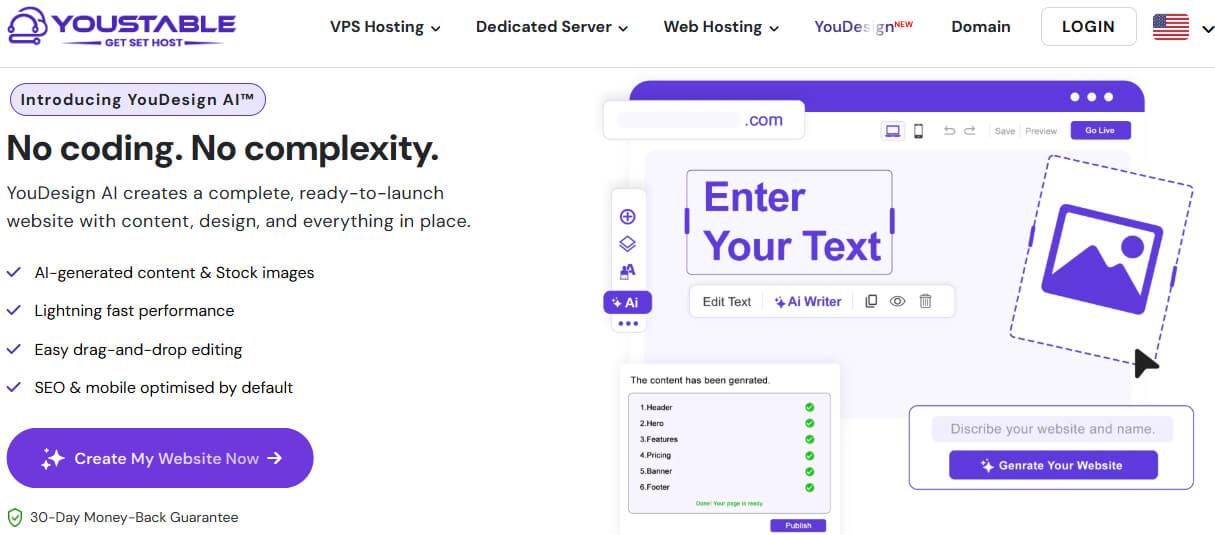
It is designed mainly for:
- Beginners
- Bloggers
- Freelancers
- Startups
- Small businesses
that want to launch websites quickly without advanced technical knowledge.
Instead of designing every page manually, the AI helps generate:
- Website layouts
- Content structure
- Design sections
- Mobile friendly pages
- Beginner friendly website setup
This makes website creation much faster compared to traditional manual development.
You can access the platform here: YouStable YouDesign AI Website Builder
Why Many Beginners Prefer AI Website Builders
Now think about this practically.
Imagine trying to:
- Design pages manually
- Configure layouts
- Optimize mobile responsiveness
- Set up navigation
- Create website sections
all without previous experience.
For many beginners, that process becomes overwhelming quickly.
That is exactly why AI website builders are growing rapidly.
AI helps reduce:
- Design complexity
- Setup time
- Technical difficulty
- Development expenses
This allows beginners to focus more on:
- Their content
- Their pet blogging niche
- SEO
- Audience growth
instead of struggling with technical website setup for days.
How AI Helps Build Blogs Faster
One of the biggest advantages of AI website builders is speed.
Traditional website setup may sometimes take:
- Several days
- Multiple plugins
- Manual design work
- Technical troubleshooting
But AI website builders can simplify much of this process automatically.
For example, YouDesign AI helps generate:
- Homepage layouts
- Blog sections
- Navigation structure
- Mobile friendly design
- Basic website styling
within a much shorter time.
This is especially useful for:
- First time bloggers
- Busy creators
- Small business owners
- Non-technical users
who simply want a clean professional website without unnecessary complexity.
Step-by-Step Process to Create Your Pet Blog
The setup process is designed to stay simple and beginner friendly even for users creating their first website.
You mainly need to:
Step 1: Choose a Hosting Plan
Select a suitable hosting plan based on your website requirements and budget.
Some YouStable WordPress hosting plans also include:
- Free domain for one year
- SSL certificate
- LiteSpeed optimization
- Security protection
which helps reduce initial setup costs.
Step 2: Enter Website Details
Provide basic information such as:
- Website name
- Blog category
- Pet niche
- Content focus
This helps the AI understand what type of website you want to create.
Step 3: Let the AI Generate the Website
The AI automatically starts generating:
- Website layout
- Design structure
- Important sections
- Mobile friendly pages
This process usually takes only a few minutes.
Step 4: Customize Your Blog
After the layout is generated, you can customize:
- Colors
- Fonts
- Images
- Blog pages
- Homepage sections
- Content
without needing coding knowledge.
Step 5: Publish Your Website Online
Once everything looks ready, simply publish your website and your pet blog becomes live online.
At this stage, you can start:
- Publishing articles
- Optimizing SEO
- Growing traffic
- Building your audience
AI Website Builder vs Traditional Blog Setup
| AI Website Builder | Traditional Website Setup |
| Faster setup | More customization |
| Beginner friendly | More technical control |
| Lower setup cost | Advanced flexibility |
| Easier management | Better for large custom projects |
| Minimal coding required | More manual configuration |
For most beginners, AI website builders make website creation significantly easier because they reduce much of the technical complexity that usually slows people down initially.
Is AI Website Builder Good for Long Term Blogging?
For many beginners, yes.
AI website builders work especially well when:
- You want faster setup
- You have limited technical knowledge
- You want a professional design quickly
- You are starting your first blog
However, as your blog grows later, you can still:
- Customize your website further
- Improve SEO
- Add advanced features
- Expand your content strategy
That flexibility is one reason why many beginners now combine:
- WordPress
- AI website builders
- Managed hosting
to launch websites faster while still maintaining long term scalability.
Step 9: Promote Your Pet Blog
Many beginners think traffic will automatically start coming after publishing a few blog posts.
But in reality, publishing content alone is usually not enough.
Even if your articles are helpful and well written, people still need a way to discover your website.
That is why blog promotion becomes extremely important.
Now imagine this practically.
You spend hours creating:
- Helpful pet care guides
- Training tutorials
- Product recommendations
- SEO optimized blog posts
but nobody sees them because the website is still new.
This is exactly where promotion helps.
Good promotion strategies help:
- Bring early traffic
- Build brand visibility
- Increase audience trust
- Grow faster initially
- Improve long term blog reach
The good news is that pet content performs extremely well online because people naturally enjoy:
- Cute pet photos
- Funny pet videos
- Pet care tips
- Training advice
- Real pet experiences
That gives pet bloggers a huge advantage compared to many other niches.
Pinterest and Instagram Marketing
Platforms like:
- TikTok
work especially well for pet blogs because visual content attracts strong engagement there.
For example:
- Cute puppy photos
- Cat grooming videos
- Pet training clips
- Before and after transformations
- Pet care infographics
often get shared quickly.
Pinterest is particularly useful because it works almost like a visual search engine.
People regularly search Pinterest for:
- Pet care ideas
- Training tips
- Pet product recommendations
- Grooming tutorials
- DIY pet solutions
This means one well designed Pinterest pin can continue bringing traffic for months.
Instagram and TikTok are also powerful because short form pet content naturally performs well there.
Even simple content such as:
- Daily pet routines
- Funny pet moments
- Quick training tips
- Feeding setups
- Pet grooming videos
can help attract attention and grow your audience gradually.
Build Traffic Using Facebook Communities
Facebook pet communities are another excellent traffic source for beginners.
There are thousands of active groups focused on:
- Dog owners
- Cat lovers
- Pet training
- Pet nutrition
- Specific pet breeds
These communities help you:
- Share blog posts
- Build relationships
- Increase visibility
- Understand audience interests
- Learn common pet owner problems
However, avoid spamming your links everywhere.
Instead:
- Participate genuinely
- Answer questions
- Share helpful advice
- Build trust first
People are much more likely to visit your website when they already see you as helpful and trustworthy.
Email Marketing for Returning Visitors
One major mistake many beginners make is depending only on Google or social media traffic.
But algorithms can change anytime.
That is why building an email list becomes extremely valuable long term.
Email marketing helps bring readers back to your website regularly without depending completely on search engines or social media platforms.
You can collect emails by offering:
- Pet care guides
- Checklists
- Free resources
- Training tips
- Feeding schedules
- Beginner pet care PDFs
For example:
- “Free Puppy Training Checklist”
- “Beginner Cat Care Guide”
- “Weekly Pet Health Tips”
These types of free resources encourage visitors to subscribe more easily.
Over time, your email list becomes one of your most valuable long term audience assets.
Build Trust Before Selling Anything
Many beginners start promoting products too aggressively immediately after creating a blog.
But audience trust should always come first.
People usually follow blogs because they want:
- Helpful advice
- Real experiences
- Honest recommendations
- Useful information
If every article only tries to sell products, readers may quickly lose trust.
That is why the best blogs focus on helping first.
When readers trust your content, they naturally become more interested in:
- Your recommendations
- Your affiliate products
- Your future content
- Your brand
Long term blog growth usually happens through trust, not aggressive promotion.
How to Grow a Loyal Pet Audience
Audience loyalty grows slowly over time through consistency and genuine helpfulness.
Readers trust blogs more when you:
- Publish consistently
- Share genuine advice
- Use real experiences
- Engage with readers
- Focus on helping users
- Answer questions honestly
Even replying to comments and messages can help build stronger audience relationships.
Now think about it this way.
Most successful pet blogs do not grow because of one viral article.
They grow because readers:
- Return regularly
- Trust the content
- Share articles with others
- Recommend the website
That long term trust is what eventually turns small blogs into strong online brands.
Promotion Takes Time Too
One important thing many beginners should understand is that blog growth usually takes time.
Traffic rarely becomes huge overnight.
Most successful blogs grow through:
- Consistent publishing
- SEO
- Social sharing
- Audience trust
- Long term effort
That is completely normal.
The bloggers who usually succeed are the ones who:
- Stay consistent
- Keep learning
- Improve gradually
- Focus on helping people genuinely
Over time, promotion becomes easier because your content library, SEO authority, and audience all continue growing together naturally.
Step 10: Make Money From Your Pet Blog
One of the biggest reasons many people start pet blogs is because blogging can eventually become a real income source.
But it is important to understand something honestly from the beginning.
Most successful pet blogs do not make large money immediately.
Blogging usually grows gradually through:
- Traffic growth
- Audience trust
- SEO
- Consistent content
- Smart monetization
That is why patience becomes extremely important.
Now imagine this practically.
You publish helpful pet care articles consistently for months, your Google traffic slowly increases, readers start trusting your recommendations, and your website begins attracting loyal visitors regularly.
This is the stage where monetization opportunities usually start growing naturally.
The good thing about the pet niche is that pet owners regularly spend money on:
- Food
- Toys
- Grooming products
- Training tools
- Accessories
- Health products
That creates strong long term monetization potential for pet blogs.
Affiliate Marketing for Pet Products
Affiliate marketing is one of the most common and beginner friendly ways to make money from a pet blog.
In simple words, affiliate marketing means recommending products and earning a commission whenever someone purchases through your referral link.
You can recommend:
- Pet food
- Toys
- Grooming products
- Pet accessories
- Training equipment
- Pet beds
- Feeding tools
- Pet cameras
- Health supplements
For example, if you write:
- “Best Dog Food for Puppies”
- “Top Cat Toys for Indoor Cats”
- “Best Dog Grooming Kits”
you can naturally recommend relevant products inside those articles.
When readers trust your advice, they are much more likely to purchase through your links.
That is why helpful product recommendation articles often perform very well in the pet niche.
Focus on Honest Recommendations
One major mistake beginners make is promoting random products only for commissions.
But long term blogging success depends heavily on trust.
Readers usually return when your recommendations feel:
- Honest
- Helpful
- Genuine
- Experience based
If visitors feel your blog only exists to sell products, trust usually decreases quickly.
That is why the best affiliate blogs focus on:
- Real usefulness
- Honest reviews
- Practical recommendations
- Helping readers make better decisions
Trust is what usually creates stronger long term income later.
Display Ads and Sponsored Content
Once your blog starts getting steady traffic, you can also earn money using display advertising.
Display ads are the advertisements shown on websites while visitors browse content.
Popular ad platforms include:
- Google AdSense
- Mediavine
- Raptive
- Ezoic
These platforms pay based on:
- Website traffic
- Visitor engagement
- Ad impressions
Pet blogs often perform well with ads because pet-related audiences usually have strong engagement.
As traffic grows larger, ad revenue can also increase gradually.
Sponsored Posts and Brand Collaborations
As your pet blog becomes more popular, brands may eventually contact you for:
- Product reviews
- Sponsored articles
- Social media promotions
- Brand collaborations
For example, pet brands may pay bloggers to:
- Review products
- Test accessories
- Promote grooming tools
- Feature pet food brands
However, it is important to stay selective.
Promoting low quality products only for sponsorship money can damage audience trust quickly.
The strongest blogs usually partner only with products they genuinely recommend.
Selling Digital Products and Pet Guides
Many bloggers also create their own digital products later.
Digital products work well because they:
- Have higher profit margins
- Do not require shipping
- Scale easily online
Some common digital products include:
- Pet care ebooks
- Training guides
- Printable checklists
- Feeding schedules
- Digital courses
- Puppy training planners
- Pet care templates
For example:
- “Beginner Puppy Training Guide”
- “Complete Cat Care Checklist”
- “Weekly Pet Health Planner”
These types of resources can provide additional long term income streams.
Memberships and Premium Communities
Some advanced pet blogs later create:
- Private communities
- Membership programs
- Exclusive training content
- Premium newsletters
This usually works better after building:
- Audience trust
- Consistent traffic
- Strong authority
Membership models are more common for blogs with highly engaged audiences.
Pet Blogging Income Potential
One question many beginners ask is: How much money can a pet blog make?
The honest answer is that income varies greatly depending on several factors.
Pet blog income usually depends on:
- Traffic
- Niche quality
- SEO performance
- Audience trust
- Content quality
- Monetization strategy
- Consistency
Some blogs only generate:
- Small side income
while larger authority websites can eventually become:
- Full time businesses
Now imagine this realistically.
A small beginner blog may initially earn:
- Very little or nothing
during the early stages while building traffic.
But over time, consistent blogs can slowly grow through:
- SEO traffic
- Affiliate income
- Ads
- Sponsorships
- Digital products
That is why blogging should usually be viewed as a long term digital asset instead of a quick money method.
Focus on Trust Before Income
One of the smartest approaches for beginners is focusing on:
- Helpful content
- SEO
- Audience trust
- Consistency
before worrying too much about monetization initially.
The blogs that usually succeed long term are the ones that genuinely help readers first.
When visitors trust your website:
- They return more often
- They read more articles
- They share your content
- They follow your recommendations
That trust becomes the real foundation behind long term blog growth and income.
Common Mistakes to Avoid When Starting a Pet Blog
Many beginners start pet blogs with excitement, but a large number of blogs stop growing because of small mistakes that slowly create bigger problems later.
The good news is that most of these mistakes are completely avoidable once you understand them early.
Now think about this practically.
Two bloggers may start at the same time:
- One follows a clear strategy
- The other ignores SEO, content quality, and user experience
After several months, the difference between both websites usually becomes huge.
That is why avoiding common mistakes early can save:
- Time
- Money
- SEO problems
- Traffic loss
- Frustration later
Here are some of the most common mistakes beginners should avoid when starting a pet blog.
1. Choosing a Very Broad Niche
One of the biggest beginner mistakes is trying to cover every pet topic on one new website immediately.
For example:
- Dogs
- Cats
- Birds
- Fish
- Rabbits
- Exotic pets
all together from day one.
At first this may sound like a smart idea, but broad websites usually grow more slowly because search engines struggle to understand the main focus of the blog.
A focused niche helps:
- Build topical authority faster
- Improve SEO relevance
- Attract the right audience
- Create stronger branding
For beginners, focusing on one main category initially is usually much easier and more effective.
You can always expand later once your blog starts growing.
2. Ignoring SEO and Website Speed
Some beginners only focus on publishing articles and completely ignore technical SEO and website performance.
But even helpful content may struggle if:
- The website loads slowly
- Mobile experience is poor
- SEO structure is weak
- Pages are difficult to navigate
Slow websites often create:
- Higher bounce rates
- Poor user experience
- Lower Google rankings
- Reduced engagement
That is why:
- Fast hosting
- Mobile optimization
- SEO friendly structure
- Good page speed
are extremely important from the beginning.
Even small improvements in website speed and SEO can make a major difference over time.
3. Publishing Low Quality Content
Another major mistake is publishing large amounts of weak content only to increase article count quickly.
Many beginners think: More articles automatically mean more traffic.
But Google now prioritizes:
- Helpful content
- User experience
- Trustworthiness
- Content quality
Thin or low value articles often struggle to rank because they do not fully help the user.
For example, weak content usually:
- Feels repetitive
- Lacks practical advice
- Does not answer questions properly
- Sounds robotic
- Provides little real value
Instead of publishing large amounts of low quality content, focus on creating:
- Helpful guides
- Real solutions
- Beginner friendly explanations
- Trustworthy advice
A smaller number of strong articles usually performs much better long term.
4. Using Poor Hosting and Weak Website Design
Many beginners try to reduce costs too much by using very poor hosting or outdated website designs.
But weak hosting can create serious issues such as:
- Slow loading speed
- Website downtime
- Security problems
- Poor mobile performance
Similarly, outdated or messy website design can make visitors leave quickly because the website feels:
- Unprofessional
- Difficult to read
- Hard to navigate
A clean and fast website creates a much better first impression.
That is why using:
- Reliable hosting
- Mobile friendly themes
- Clean layouts
- Fast loading pages
is extremely important for long term blog growth.
5. Expecting Fast Results Too Quickly
Many beginners quit blogging too early because they expect traffic and income immediately.
But blogging usually takes time.
Most successful pet blogs grow gradually through:
- SEO
- Consistent publishing
- Audience trust
- Helpful content
- Long term effort
That is completely normal.
A blog is more like building a long term digital asset rather than getting instant results overnight.
The bloggers who usually succeed are the ones who:
- Stay patient
- Keep improving
- Publish consistently
- Focus on helping readers genuinely
6. Focusing Only on Monetization
Some beginners become too focused on making money immediately.
As a result, they:
- Overload pages with ads
- Push affiliate products aggressively
- Publish low value sponsored content
This often reduces audience trust quickly.
Readers usually stay loyal to blogs that genuinely help them first.
That is why successful blogs normally focus on:
- Building trust
- Solving problems
- Providing useful information
- Creating positive user experience
before heavily focusing on monetization.
Avoiding These Mistakes Helps Blogs Grow Faster
The good news is that most beginner mistakes can be avoided with proper planning and consistency.
If you focus on:
- Helpful content
- Good SEO
- Fast website performance
- Clean design
- Audience trust
- Consistency
Your pet blog will have a much stronger foundation for long term growth.
How Much Does It Cost to Start a Pet Blog?
One of the biggest reasons many people delay starting a blog is because they think website creation is extremely expensive.
But the truth is that starting a pet blog is much more affordable than most beginners expect.
You do not need:
- A huge investment
- Expensive developers
- Advanced software
- High end infrastructure
to launch a professional pet blog in the beginning.
In fact, many successful blogs originally started with very small budgets.
Now think about it practically.
A beginner pet blog mainly needs:
- A domain name
- Hosting
- WordPress setup
- Basic design
- Helpful content
That is enough to get started professionally.
As your blog grows later, you can gradually invest more into:
- Premium tools
- Better design
- Advanced SEO
- Paid marketing
- Additional features
This makes blogging one of the most beginner friendly online businesses to start today.
Realistic Beginner Budget Overview
Here is a realistic overview of common pet blogging expenses in 2026:
| Expense | Estimated Cost |
| Domain Name | $10–$20/year |
| Hosting | $30–$150/year |
| Premium Theme | $30–$100 |
| Basic Plugins | Free–$100/year |
| SEO Tools (Optional) | $0–$300/year |
The total cost mainly depends on:
- Your setup quality
- Hosting choice
- Design requirements
- Optional SEO tools
- Premium features
The good thing is that many blogging tools are available for free initially.
Domain Name Cost
Your domain name is your website address on the internet.
For example:
- yourpetblog.com
- happypawsblog.com
For most blogs, a .com domain usually costs around:
- $10–$20 per year
depending on the provider and extension.
If you use YouStable WordPress hosting, some plans also include a free domain for one year, which helps reduce first year setup expenses.
You can explore domain registration here: YouStable Domain Registration
Hosting Cost
Hosting is usually the most important blogging expense because it affects:
- Website speed
- SEO performance
- Security
- User experience
Most beginners usually start with:
- Shared hosting
- WordPress hosting
because both are affordable and beginner friendly.
Reliable WordPress hosting typically costs around:
- $30–$150 yearly
depending on features and performance.
According to current pricing available on YouStable, beginner friendly WordPress hosting plans currently start around:
- $1.25/month
- $2.31/month
Some plans also include:
- Free domain for one year
- Free SSL certificate
- LiteSpeed optimization
- NVMe SSD storage
- AI optimized caching
This helps beginners launch websites with lower initial investment.
You can explore hosting plans here: YouStable WordPress Hosting
Theme and Design Cost
Many beginners worry they must purchase expensive website designs immediately.
But that is not necessary.
You can start with:
- Free WordPress themes
- Basic customization
- Simple layouts
and still create a professional looking website.
Later, as your blog grows, you can upgrade to premium themes for:
- Better design quality
- Faster performance
- More customization
- Additional features
Premium themes usually cost around:
- $30–$100
depending on the provider.
Plugin and SEO Tool Costs
WordPress plugins help add additional functionality to your website.
For example:
- SEO optimization
- Security
- Backups
- Contact forms
- Speed optimization
The good news is that many useful plugins already offer free versions.
That means beginners can often start with:
- Free plugins
- Free SEO tools
- Basic optimization
without spending much initially.
Advanced SEO tools become more useful later when your website traffic starts growing.
Start Simple and Upgrade Gradually
One of the smartest approaches for beginners is starting with a simple setup first.
Many successful bloggers initially use:
- Shared or WordPress hosting
- Free themes
- Free plugins
- Basic SEO setup
and upgrade gradually over time.
This helps:
- Reduce unnecessary expenses
- Lower financial pressure
- Simplify learning
- Focus more on content growth
In the beginning, your biggest priority should usually be:
- Publishing helpful content
- Learning SEO
- Building traffic
- Growing audience trust
instead of spending heavily on advanced tools immediately.
Is Starting a Pet Blog Worth the Cost?
For many people, yes.
Compared to many other online businesses, blogging has:
- Lower startup costs
- Long term growth potential
- Flexible scalability
- Multiple monetization opportunities
A pet blog can eventually grow into:
- A side income source
- A personal brand
- A traffic generating website
- A full time online business
if built consistently over time.
The most important thing is starting with realistic expectations and focusing on long term growth instead of expecting instant results.
FAQs
Is Pet Blogging Still Worth Starting in 2026?
Yes, pet blogging is still worth starting because millions of pet owners search online daily for pet care tips, training advice, product recommendations, and health information. A well optimized pet blog can generate long term traffic, build audience trust, and create income opportunities through affiliate marketing, ads, sponsorships, and digital products.
Can I Start a Pet Blog Without Technical Knowledge?
Yes. Modern platforms like WordPress and AI website builders have made website creation much easier for beginners. With beginner friendly hosting providers like YouStable, you can install WordPress, connect your domain, and launch your pet blog without coding knowledge.
Which Pet Blog Niche Has the Best Growth Potential?
Dog blogs, cat blogs, pet training blogs, and pet health blogs usually have strong growth potential because people constantly search for related advice online. However, the best niche is usually the one where you already have genuine interest, can consistently create helpful content, and understand the audience properly.
How Much Money Can a Successful Pet Blog Make?
Pet blog income can vary greatly because every blog grows at a different speed. Some blogs only generate small side income initially, while larger authority pet blogs can eventually become full time online businesses.
Your blogging income usually depends on several important factors such as:
• Traffic Growth: More website visitors usually create more monetization opportunities and higher earning potential.
• SEO Performance: Better Google rankings help bring long term organic traffic consistently to your blog.
• Audience Trust: Readers buy products and follow recommendations more when they trust your content.
• Content Quality: Helpful and problem solving articles usually perform much better long term.
• Monetization Strategy: Affiliate marketing, ads, sponsorships, and digital products all affect overall income.
• Niche Selection: Some pet niches have stronger affiliate and product demand than others.
Most successful pet blogs usually earn money through:
• Affiliate marketing
• Display ads
• Sponsored content
• Pet product recommendations
• Digital products and guides
For beginners, blogging should be viewed as a long term digital asset instead of a quick money method.
Conclusion
Starting a pet blog may feel confusing in the beginning, especially if you have never created a website before. But once you understand the right process step by step, everything becomes much easier to manage. From choosing the right niche and setting up your website to creating helpful content and learning SEO, every small step slowly helps build long term growth.
The most important thing to remember is that successful pet blogs usually do not grow overnight. Most blogs grow gradually through:
- Helpful content
- Consistency
- User trust
- Proper SEO
- Long term patience
Many beginners focus too much on quick traffic or fast income, but the blogs that usually succeed are the ones that genuinely help pet owners solve real problems. When readers trust your advice, they naturally spend more time on your website, return for future content, and recommend your blog to others.
The good news is that starting a pet blog is now much more beginner friendly than before. Modern blogging platforms, WordPress tools, managed hosting, and AI website builders have simplified much of the technical setup process, even for people without coding knowledge.
If you stay consistent, keep improving your content, and focus on helping your audience genuinely, your pet blog can slowly grow into a valuable long term online asset with strong traffic, authority, and monetization potential.