Are you thinking about switching to a dedicated server but still unsure if it is the right choice for you? This confusion is very common, especially when your website starts growing and your current hosting begins to feel limited.
Maybe your website is slowing down, or your traffic is increasing. You might have even heard that a dedicated server gives better performance. But here’s the real question, do you actually need it, or are you upgrading too early?
Let’s break this down in a simple and practical way so you can make a clear decision.
What Is a Dedicated Server?
A dedicated server is a physical server that is entirely allocated to a single user or business.
Unlike shared hosting or VPS, where resources are divided among multiple users, a dedicated server provides complete access to all resources, including CPU, RAM, storage, and bandwidth.
This setup allows full control over server configuration, better performance, and a higher level of security.

It is typically used by businesses that require consistent speed, stability, and customization.
Why Dedicated Servers Are Gaining Popularity in India?
India’s digital ecosystem is growing very fast, with startups, eCommerce platforms, and SaaS businesses scaling quickly. As more users come online, websites are handling higher traffic and more complex operations than before.
This growth often creates problems like slow speed, downtime, and limited resources on shared or VPS hosting. As a result, many businesses start looking for more stable and powerful hosting solutions.
Dedicated servers are becoming popular because they offer consistent performance, full control, and better reliability without resource sharing. If you are planning to scale your website, you can explore YouStable’s dedicated server in India to see available configurations and performance options.
Key Reasons Behind This Growth:
- Increasing website traffic and user demand
- Need for faster loading speed and stable performance
- Growing use of SaaS and real time applications
- Higher focus on data security
- Demand for full control over server environment
Who Needs a Dedicated Server in India?
High Traffic Websites
Websites receiving a large number of visitors every day often outgrow VPS hosting. When traffic spikes occur, shared resources can slow down performance.
Dedicated servers ensure consistent speed even during peak traffic, making them ideal for news websites, viral content platforms, and large blogs.
eCommerce Platforms
Online stores depend heavily on speed and reliability. A slow website can lead to abandoned carts and lost revenue.
Dedicated servers help eCommerce platforms handle multiple users, secure payment processing, and large product databases without interruptions.
SaaS and Web Applications
Software as a Service platforms and web apps require stable uptime and strong backend performance. These applications often process data in real time and serve multiple users simultaneously.
A dedicated server provides the resources and control needed to maintain performance and reliability.
Large Businesses and Enterprises
Organizations handling large volumes of data or operating multiple systems often require dedicated infrastructure. This includes companies managing customer databases, internal tools, or enterprise level applications.
Dedicated servers allow better customization, security, and compliance with data handling requirements.
Gaming Servers and Streaming Platforms
Gaming servers and live streaming platforms demand low latency and high bandwidth. Any lag or downtime can negatively impact user experience.
Dedicated servers provide the performance and stability required for real time interactions and continuous streaming.
Agencies and Developers
Digital agencies and developers managing multiple client projects often need a reliable hosting environment. Instead of depending on limited resources, they can use dedicated servers to host multiple websites efficiently with full control.
Who Does NOT Need a Dedicated Server?
A dedicated server is not suitable for everyone. In many cases, it can be unnecessary and expensive.
You likely do not need a dedicated server if:
- Your website has low or moderate traffic
- You are running a personal blog or portfolio site
- Your budget is limited
- Your project can run efficiently on VPS hosting
For most beginners and small businesses, VPS hosting is often more than sufficient.
4 Benefits of Using a Dedicated Server
When your website starts demanding more power, stability, and control, a dedicated server offers clear advantages over shared or VPS hosting. Since you are not sharing resources with other users, your website can run smoothly even during high traffic or heavy workloads.
Here are the key benefits that make dedicated servers a strong choice for serious websites and businesses:
- Maximum Performance: You get full server resources, so your website runs fast and smoothly without being affected by other users.
- Full Control and Customization: Root access allows you to configure everything based on your needs, from OS to software and settings.
- High-Level Security: A completely isolated environment reduces security risks and keeps your data and applications safer.
- Reliability and Uptime: No resource sharing ensures stable performance and better uptime for consistent website availability.
Cost of Dedicated Servers in India
The cost of a dedicated server in India depends mainly on the hardware configuration and the level of control you need. As your website grows and requires more power, better storage, and higher bandwidth, the pricing naturally increases.
Unlike shared or VPS hosting, you are paying for full server resources. That means better performance, stronger security, and no sharing, which makes dedicated servers more suitable for serious and high traffic websites.
Typical Pricing Range in India:
- Basic Servers: ₹5000 – ₹8000/month
- Mid Range Servers: ₹8000 – ₹15000/month
- High End Servers: ₹15000 – ₹20000+/month
If you want to understand real configurations and pricing, you can explore YouStable’s dedicated server in India, where different plans are available based on performance needs.
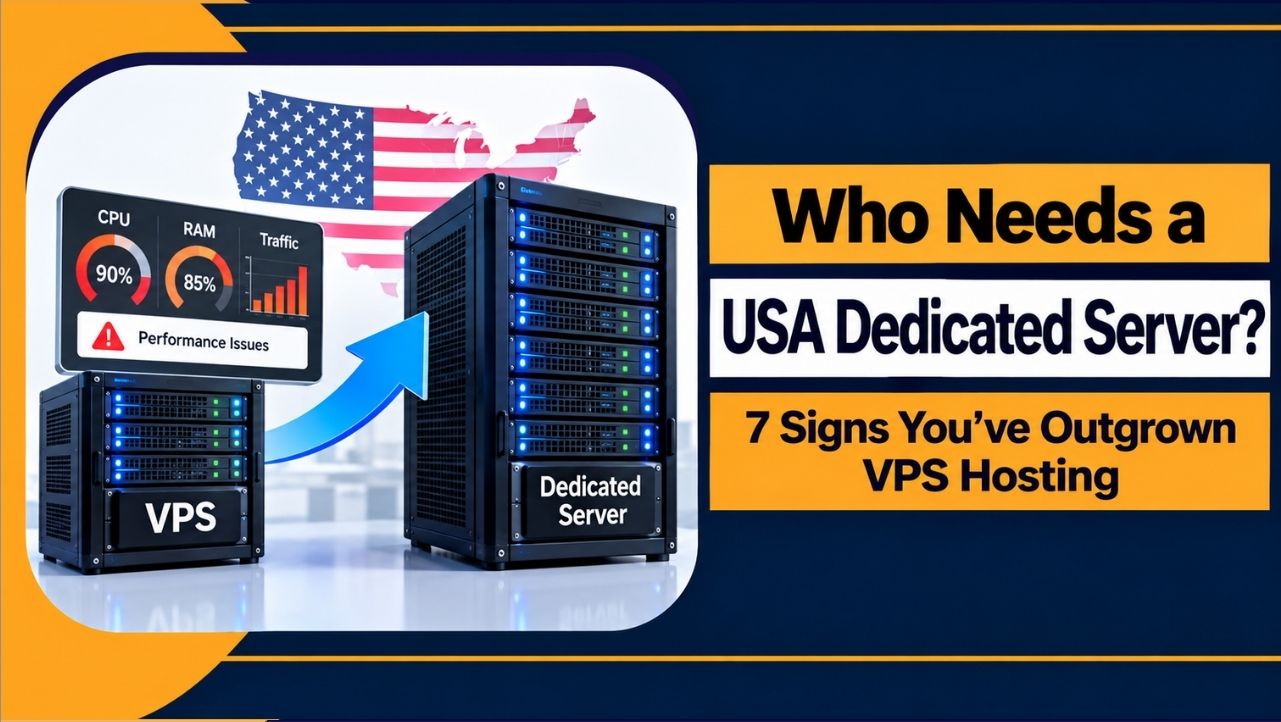
When Should You Upgrade to a Dedicated Server?
Upgrading to a dedicated server makes sense when:
- Your website is experiencing slow performance despite optimization
- Traffic is consistently increasing
- You need stronger security for sensitive data
- Your current hosting plan cannot handle resource demands
- You require custom server configurations
For example, many growing eCommerce websites initially use VPS hosting but eventually switch to dedicated servers as traffic and transactions increase.
Dedicated Server vs VPS: Quick Decision Guide
Choosing between VPS and a dedicated server depends on how your website is performing today and what it actually requires to run smoothly. Not every website needs a dedicated server, and selecting the right option at the right time can save both cost and effort.
If your website is still growing and handling a manageable level of traffic, VPS hosting offers a balanced solution with good performance and flexibility. However, once your website starts demanding higher resources, consistent speed, and stronger security, moving to a dedicated server becomes a more practical choice.
Choose VPS if:
- Your website has low to moderate traffic
- You are looking for a cost effective hosting option
- You want the flexibility to scale resources easily
- Your current performance needs are not very high
Choose Dedicated Server if:
- Your website handles high or rapidly increasing traffic
- You need stable performance without fluctuations
- Security and data control are critical for your business
- You require complete control over server configuration
The decision becomes clear when your website starts outgrowing VPS capabilities and requires more consistent power, stability, and control.
How to Choose the Right Dedicated Server in India
Choosing a dedicated server is not just about upgrading your hosting — it is about selecting the right configuration that matches your website’s needs. A wrong choice can lead to unnecessary costs or performance issues, so it is important to evaluate a few key factors before making a decision.
You should focus on performance, reliability, and long term scalability. A well selected server will not only handle your current workload but also support future growth without frequent upgrades.
Key Factors to Consider:
- Server Location: Choose a server located in India to reduce latency and improve loading speed for local users.
- Hardware Specifications: Check CPU performance, RAM capacity, and storage type (SSD or NVMe) based on your workload.
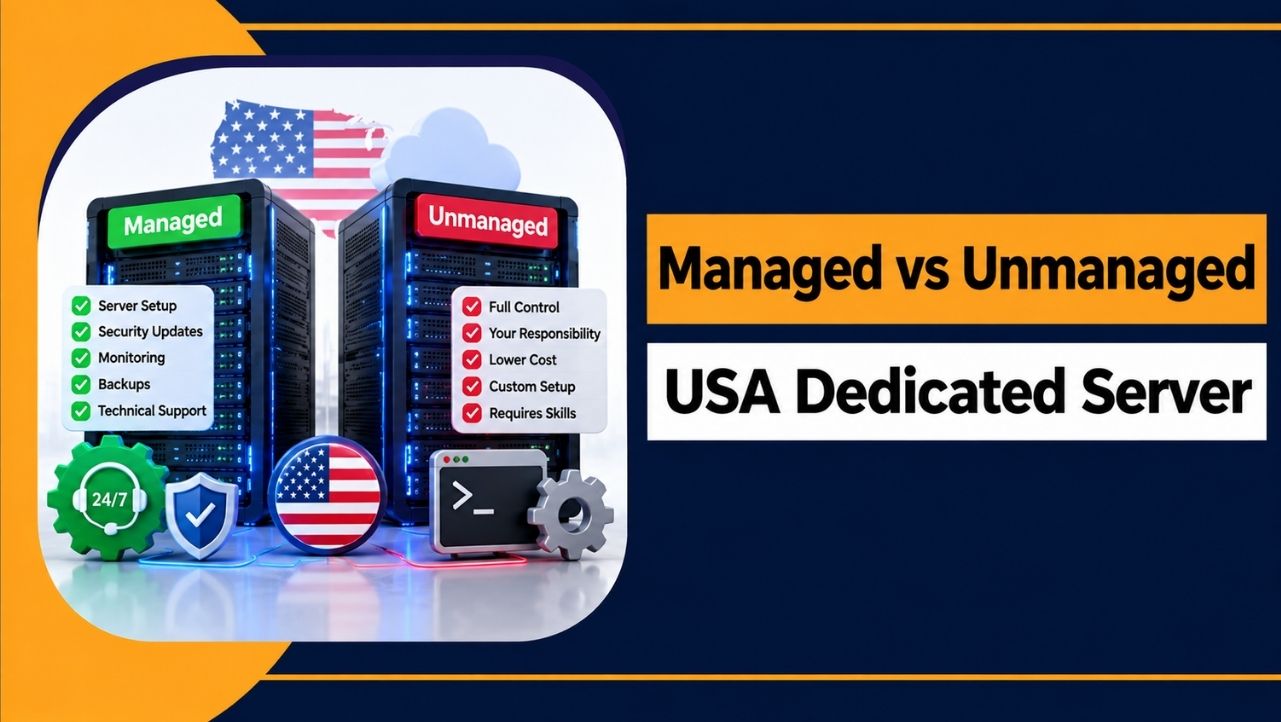
- Managed vs Unmanaged Hosting: Managed servers are easier to handle, while unmanaged servers require technical knowledge.
- Customer Support Quality: Reliable and fast support is important to resolve issues quickly.
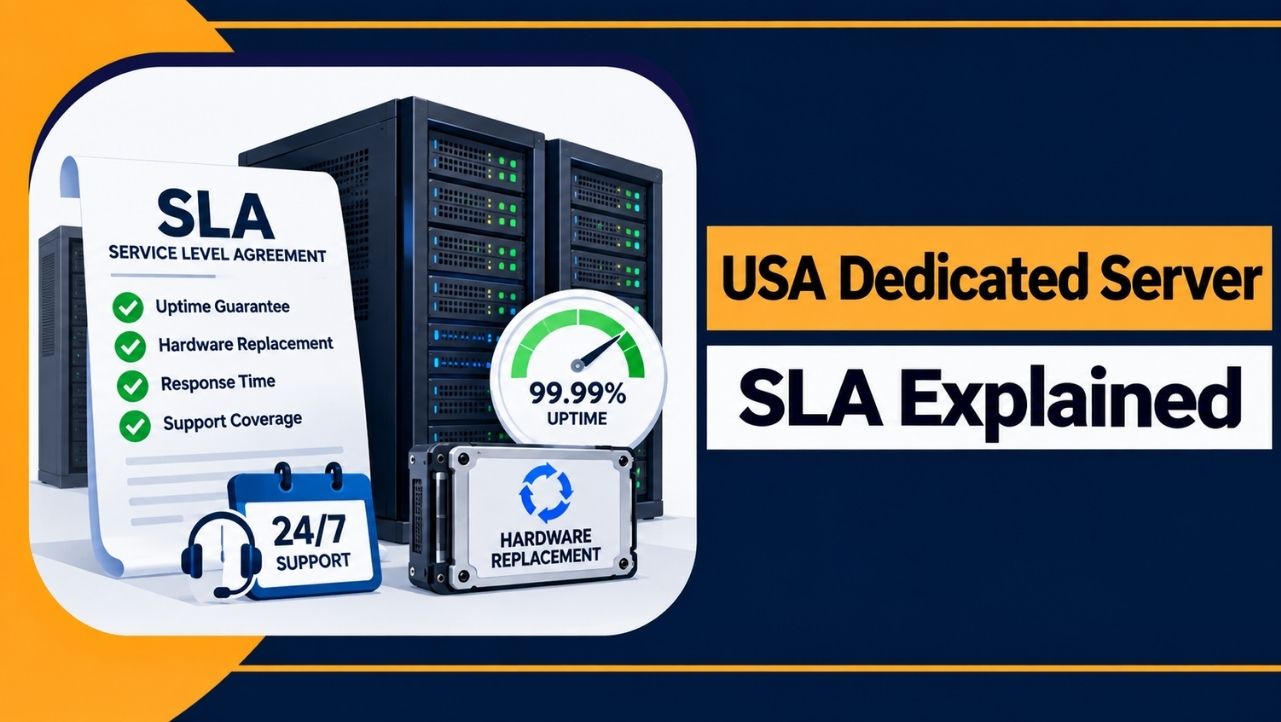
- Uptime Guarantee: Look for providers offering at least 99.9% uptime for consistent performance.
A reliable hosting provider with the right infrastructure and support system ensures that your website runs smoothly, stays secure, and performs consistently as your business grows.
FAQs
Is a dedicated server worth it in India?
u003cstrongu003eYesu003c/strongu003e, but only for websites or businesses that require high performance, security, and control. It is not necessary for small websites.
How much traffic requires a dedicated server?
u003cstrongu003eThere is no fixed numberu003c/strongu003e, but websites with consistently high traffic (tens of thousands of daily visitors or more) often benefit from dedicated servers.
Can I upgrade from VPS to a dedicated server later?
u003cstrongu003eYesu003c/strongu003e, most hosting providers allow easy upgrades as your website grows.
Do I need technical knowledge to manage a dedicated server?
u003cstrongu003eIf you chooseu003c/strongu003e an unmanaged server, technical knowledge is required. Managed servers are easier to handle as the provider manages most tasks.
Which businesses benefit most from dedicated servers?
eCommerce platforms, SaaS companies, large enterprises, and high traffic websites benefit the most.
Conclusion
A dedicated server is a powerful hosting solution, but it is not meant for every website. It is best suited for businesses and platforms that require high performance, strong security, and complete control over their server environment.
For most small websites and growing projects, VPS hosting remains a practical starting point. However, as your traffic, data, and performance demands increase, upgrading to a dedicated server becomes a logical and valuable step.
Making the right decision depends on understanding your current needs, future growth, and budget. Choosing wisely ensures both performance and cost efficiency in the long run.