To start a blog in Asia in 2026, pick a narrow niche and a local language focus, register a brandable domain, buy fast NVMe WordPress hosting near your audience, install WordPress with SSL, configure essential plugins (SEO, cache, security, backup), publish original, helpful content consistently, optimize for Core Web Vitals and search intent, build topical authority with internal links, and monetize via AdSense, affiliates, and digital products. Begin lean, then scale with data.
Blogging in Asia is booming, driven by affordable mobile data, lightning fast 5G, and a surge in regional language search queries. If you’ve wondered how to start a blog in Asia in 2026, you’re in the right place. This guide combines hands on hosting and WordPress expertise with modern SEO practices to help you launch, rank, and monetize a blog built for long term growth.
Google’s Helpful Content system rewards original, experience driven articles especially in local languages. Asian audiences increasingly prefer content in Hindi, Bahasa Indonesia, Vietnamese, Thai, Tagalog, Japanese, and more. That means lower competition, faster trust, and better engagement compared to English only blogs.
In this complete guide, you’ll learn how to choose a niche, secure a domain, pick reliable hosting, install and configure WordPress, write SEO friendly content, rank with topical authority, and monetize using multiple channels. By the end, you’ll be ready to build a real digital asset one that compounds traffic, reputation, and income over time.
Why Starting a Blog in a Local Asian Language is a Smart Opportunity
Asian users overwhelmingly consume content in their native languages across devices. Google and advertisers reward helpful, localized content with higher trust and ROI.
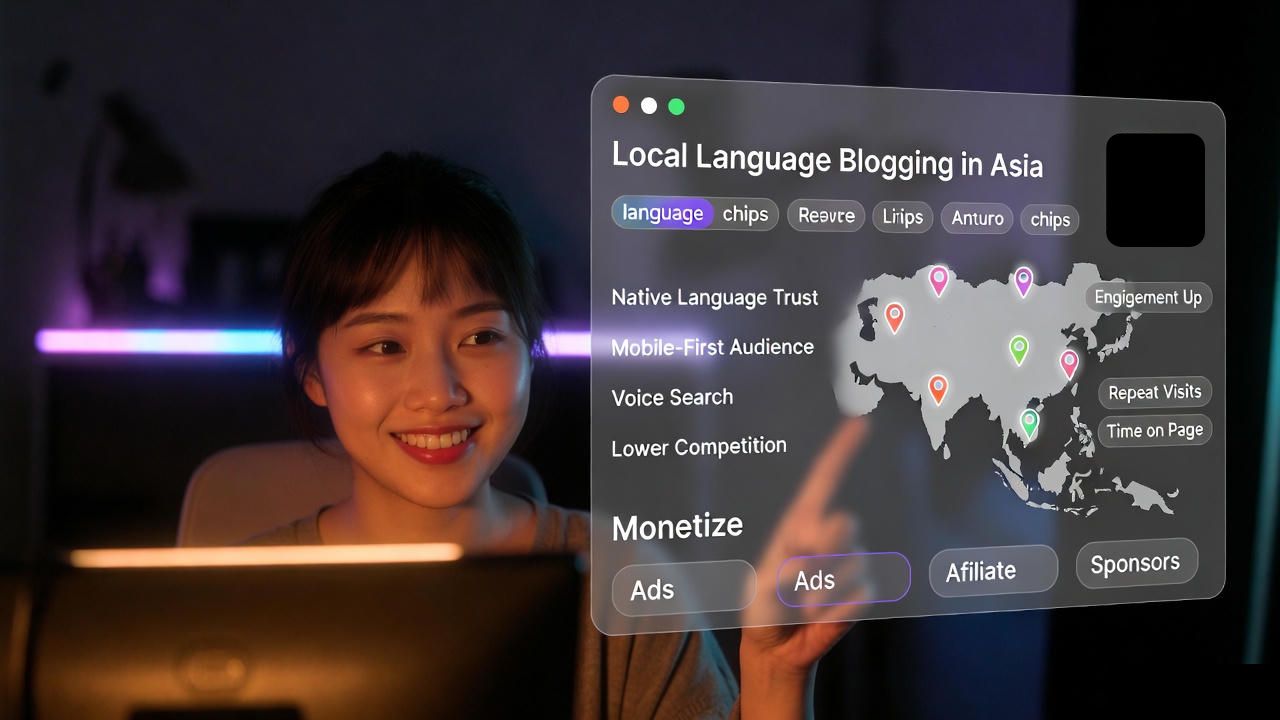
Across Asia, search demand in local languages has outpaced English for many categories health, finance, recipes, travel, tech how tos, and exam prep. Users trust advice they can read effortlessly, and they share it faster within their social circles. This creates a compounding flywheel: better engagement, longer sessions, and higher return visits.
Competition is still comparatively lighter than English, especially in long tail queries. Pairing a focused niche (e.g., budget smartphones under ₹15,000 or street food guides in Jakarta) with local language coverage can deliver quicker rankings, stronger brand recall, and resilient organic traffic.
- Lower competition, higher ranking chances
- Strong audience trust and loyalty
- Better engagement and time on site
- Easier monetization in regional markets
Essential Requirements to Start a Blog in Local Asian Language
Keep your stack lean, fast, and focused on user experience from day one.
Invest in the essentials now to avoid painful migrations and SEO setbacks later.
- A clear blogging niche and audience
- A brandable domain name
- Fast, reliable web hosting
- WordPress and basic SEO setup
How to Choose the Perfect Domain Name for Your Blog
Your domain is your brand’s anchor. It affects recall, click through rates, and perceived authority. Simple, pronounceable domains are easier to remember and share in conversations and on social platforms.
Avoid complex spellings that mix scripts or rely on transliteration confusion. Clear branding beats forced keyword stuffing. Think long term: your domain should still fit if you expand subtopics, formats, or geographies.
Domain Name Tips
- Keep it short, simple, and easy to pronounce
- Avoid hyphens, numbers, and keyword stuffing
- Example formats:
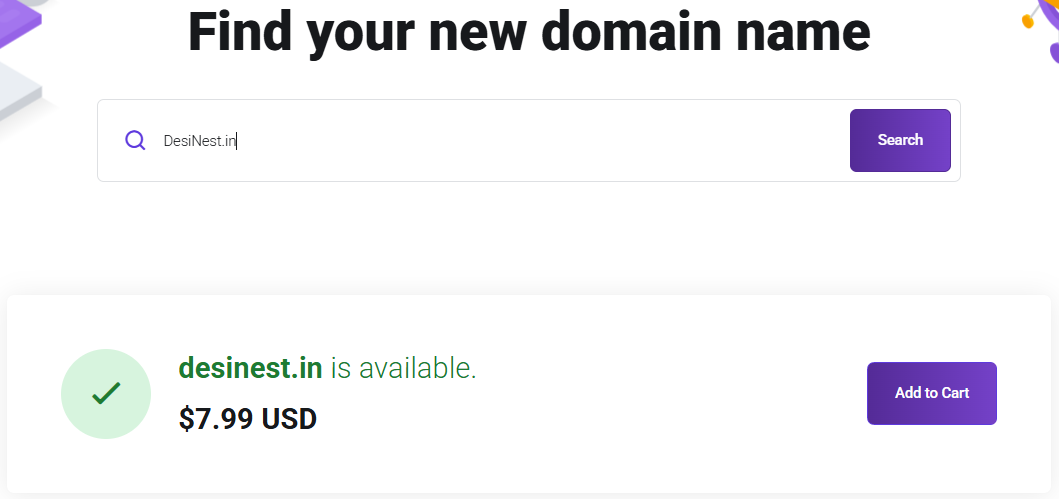
- Informational: AajKaGyan, DailyTech
- Brandable: DesiNest, LocalVoice
Best TLD Choices
- Preferred: .com, country TLDs (.in, .sg, .id, .ph, .vn, .th, .jp)
- Acceptable: .co.in, .blog, .net
- Advanced: IDNs in local scripts (e.g., हिंदी), paired with short English redirects
Social Media Consistency
- Check handle availability on YouTube, Instagram, Facebook, and X
- Use the same name across platforms to reinforce brand authority
Free vs Paid Hosting for Blogs – Which One is Better?
Free hosting is tempting, but it often sabotages growth. Slow pages, forced ads, weak security, and resource caps lead to poor SEO and user experience. Many free hosts also block essential plugins, limit SSL, and can make AdSense approval difficult.
Paid hosting is a small investment with outsized returns. Look for NVMe SSD storage, LiteSpeed or OpenLiteSpeed servers, free SSL, daily backups, malware protection, and 99.9%+ uptime. These directly improve Core Web Vitals and visitor trust critical for monetization.
Free Hosting (Why to Avoid)
- Slow speed and frequent downtime
- Intrusive ads and limited resources
- Poor SEO performance and low trust
- Hard to get AdSense approval
Paid Hosting (Why It’s Worth It)
- NVMe SSD speed and higher uptime
- Free SSL, backups, and enhanced security
- Better Core Web Vitals and rankings
- Scalable for long term growth
Best WordPress Hosting Setup for Blogs in Asia
- NVMe SSD storage for low latency reads/writes
- LiteSpeed/OpenLiteSpeed with HTTP/3 and Brotli compression
- Server location near your audience (India, Singapore, Tokyo, Jakarta)
- CDN integration (Cloudflare APO or QUIC.cloud)
- WordPress optimized stack: PHP 8.3, MariaDB 10.6+, Redis Object Cache
- Automatic daily backups + on demand snapshots
- Free Let’s Encrypt SSL with auto renew
How to Set Up WordPress Hosting for Blogging in Asia
As a hosting provider focused on performance in Asia, YouStable offers LiteSpeed powered WordPress plans with India based servers and regional routing.
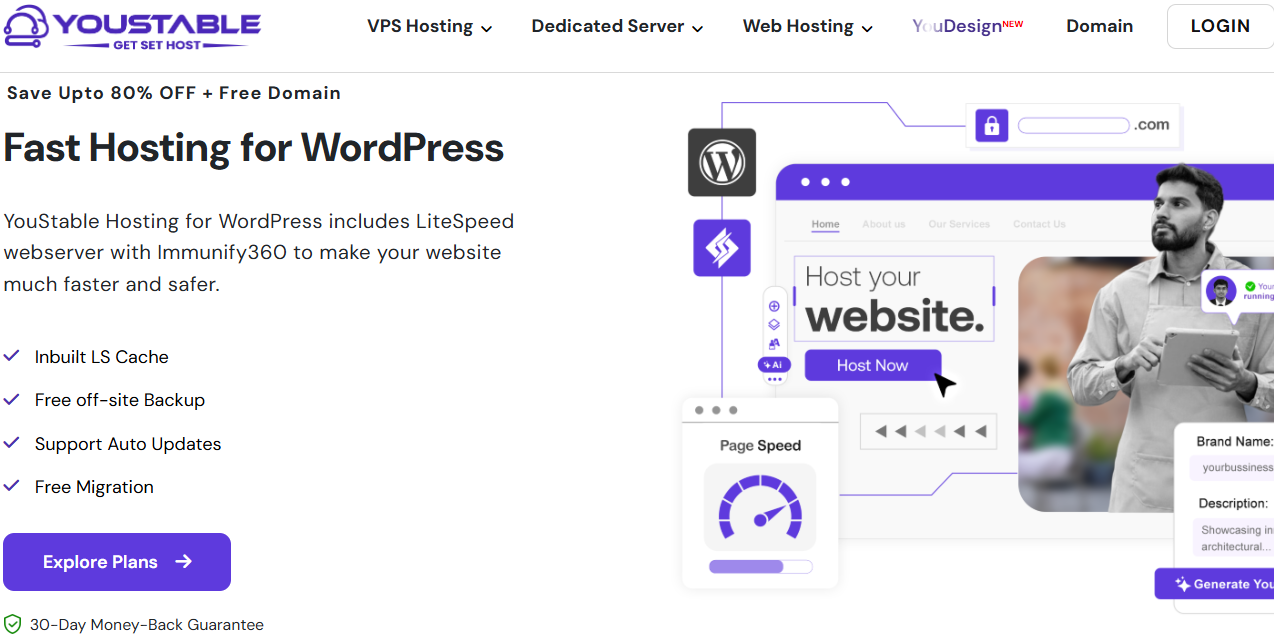
Here’s a quick setup flow you can follow:
- Visit the YouStable website
- Choose a beginner friendly WordPress hosting plan
- Select the server location closest to your audience
- Register a new domain or connect an existing one
- Complete checkout and access the dashboard
- Install WordPress via 1 click (Softaculous / Installatron)
- Enable SSL and LiteSpeed Cache in your dashboard
YouStable is a strong fit for regional bloggers due to fast India based infrastructure, WordPresssavvy support, bundled SSL/backups, and performance defaults that help pass Core Web Vitals on both mobile and desktop.
| YouStable WordPress Hosting Plans & Pricing Table in 1st October 2026 | ||||
|---|---|---|---|---|
| Plans Name | Websites | Storage | Bandwidth | Monthly Pricing |
| DaStart | 1 | 50GB NVMe SSD | Unmetered | $0.65/mo |
| DaProfessional | 25 | 100GB NVMe SSD | Unmetered | $1.31/mo |
| DaElite | Unlimited | 200GB NVMe SSD | Unmetered | $2.42/mo |
Install WordPress and Set Up Your Blog
WordPress Installation
- Use the 1 click installer (Softaculous / Installatron)
- Enable HTTPS from day one (force HTTPS in your panel)
- Set strong admin credentials and use a unique admin username
Basic WordPress Settings
- Site language: your local language (e.g., Hindi, Bahasa Indonesia)
- Timezone: your country/region (e.g., Asia/Kolkata, Asia/Jakarta)
- Permalink structure: Post name
Essential Pages
- About
- Contact
- Privacy Policy
- Disclaimer
Essential Plugins (Lean Stack)
- SEO: Rank Math or Yoast
- Cache: LiteSpeed Cache (enable QUIC.cloud if using LiteSpeed)
- Security: Wordfence or Solid Security, enable 2FA
- Backup: UpdraftPlus to remote storage (Drive, S3)
- Images: ShortPixel or Imagify (WebP/AVIF)
- Forms: WPForms or Contact Form 7 with hCaptcha/Cloudflare Turnstile
- SMTP: FluentSMTP with your domain email for reliable delivery
Bonus: Analytics & Webmaster Tools
- Google Analytics 4 and Search Console
- Bing Webmaster Tools for secondary search traffic
- Submit XML sitemap via your SEO plugin
Security Hygiene (Non negotiable)
- Use strong passwords + 2FA for all admins
- Limit login attempts and change default login URL
- Auto update minor versions; test major updates on staging
Best Blogging Platform to Start a Blog in 2026
Choosing the right blogging platform is critical because it affects your SEO performance, speed, monetization, and long term growth. The platform you select should support you from the beginner stage to large scale traffic without forcing a migration later.
What a Good Blogging Platform Must Offer
- Full control over SEO (titles, URLs, schema, internal links)
- Fast loading speed and Core Web Vitals optimization
- Ownership of content, data, and domain
- Multiple monetization options
- Easy scalability as traffic grows
Why WordPress.org Is the Best Choice
- Complete ownership of your website and content
- Advanced SEO control with plugins and clean site structure
- Excellent performance with NVMe + LiteSpeed hosting
- Supports regional and local languages easily
- Flexible monetization: AdSense, affiliates, sponsored posts, services, digital products
- Scales smoothly from shared hosting to VPS or cloud
Limitations of Other Platforms
- Blogger: Limited SEO control, outdated ecosystem, weak monetization flexibility
- Medium: No content ownership, algorithm dependency, restricted branding and SEO
If you want to build a long term blog that ranks well, earns consistently, and grows without limits, self hosted WordPress.org is the best blogging platform to start with.
Best Content Ideas and Profitable Niches for Blogs in Asia
Pick a niche you can write about for a year without running out of ideas. Start tight (e.g., budget travel in Vietnam) and expand naturally as you build topical authority. Validate with search data and communities: Reddit, Quora, Facebook Groups, and local forums.
Balance evergreen and trending posts. Evergreen topics how tos, definitions, comparisons compound traffic. Trending topics seasonal sales, new product launches deliver spikes and backlinks. Align with monetization: if you plan affiliates, prioritize product guides, comparisons, and tutorials.
Why Consistency Matters for Blog Growth and Rankings
Blogging is compounding. Expect 3-6 months for steady impressions and 6-12 months to become a recognized resource in your niche. Use the Publish → Analyze → Improve loop: ship content, study Search Console queries, update titles and sections, add FAQs, and interlink with new posts.
Set a sustainable cadence (e.g., 2 posts/week). Choose quality over volume but avoid perfection paralysis. Small, continuous improvements beat big, irregular pushes.
How to Write SEO Friendly Content for a Blog in Asia
Readers want clear answers fast, with enough depth to act confidently.
Google rewards original expertise, structured layouts, and helpful media.
Step 1. Write Original & Valuable Content
Lead with your experience: what worked in your city, on your device, with your budget. Use screenshots, photos, or short clips. Avoid thin rewrites or generic AI content Google’s systems and readers can tell. Where possible, include data: prices, performance metrics, before/after results, or step counts.
Step 2. Keyword Research (Language + Regional)
Use Google Autocomplete for local language variants. Explore People Also Ask to find questions to answer in H2/H3s. Target long tail keywords that include local modifiers: city names, currencies, models, and seasons. Tools like Google Trends, Search Console, and free freemium tools (e.g., AnswerThePublic) help validate demand.
Example: Instead of best budget phones, target best budget phones under ₹15000 India 2026 or kamera HP murah di Indonesia 2026. Local phrasing improves CTR and relevance.
Step 3. On Page SEO
Map intent to structure. Use one H1, descriptive H2s, and scannable H3s. Add primary keywords naturally in the title, meta description, intro, and 1-2 H2s. Use schema via Rank Math/Yoast: Article, FAQ, Breadcrumbs. Add descriptive alt text for images in your local language. Link to supporting articles to build topical clusters.
Pro tip: Write a 60-80 word answer box paragraph under your intro for featured snippets, then expand with details, examples, and steps.
Step 4. Use Images & Internal Linking
Compress images to WebP/AVIF, lazy load below the fold, and use descriptive file names. Add contextual internal links to related articles (learn more is weak use anchor text that reflects the destination topic). This strengthens topical authority and helps search engines understand your site’s structure.
Step 5. Update Content Regularly
Content freshness matters. Revisit posts every 3-6 months. Update prices, screenshots, steps, and FAQs. Add a short What’s new in 2026 section if relevant. Use Search Console queries to add missing subtopics and improve sections with low CTR.
How to Rank Your Blog on Google
Ranking is matching intent, demonstrating expertise, and delivering speed. Structure helps engines parse your content; consistency builds authority fast.
Focus on fundamentals that compound over time. Here are seven ranking levers to prioritize from day one:
- Search intent match: Align format and depth to the query. Use comparison tables for best, step lists for how to, and definitions for what is.
- Topical authority: Build clusters. If you target budget phones, create hubs for price segments, brands, and FAQs; interlink all nodes.
- Internal linking: Add 3-6 contextual links per post. Link up (to hubs), across (to siblings), and down (to subtopics).
- Page speed & Core Web Vitals: Aim for LCP < 2.5s, INP < 200ms, CLS < 0.1. Use LiteSpeed Cache + CDN, compress images, and trim plugins.
- EEAT signals: Add an author bio with credentials, location, and social handles. Cite sources and show original photos.
- Content freshness: Update posts, add last updated, and incorporate 2026 nuances or pricing.
- Natural backlinks: Publish unique data, checklists, and local guides. Pitch roundups and collaborate with regional creators.
7 Ways to Make Money from a Blog in 2026
Diversify revenue to stabilize earnings across seasons and algorithms. Pick 2-3 methods first, then layer more as traffic and trust grow.
- Google AdSense: Ideal for informational traffic. Improve RPMs by increasing time on page and targeting high intent topics. Ensure a clean layout, fast pages, and clear policies to pass AdSense reviews.
- Affiliate marketing: Monetize best, vs, and tutorial posts. Join networks like Amazon Associates, Involve Asia, Impact, Rakuten, or local programs (Shopee, Lazada, Flipkart). Disclose affiliates transparently.
- Sponsored posts: As authority grows, brands will approach you. Create a media kit with traffic, demographics, and rates. Vet brands to protect audience trust.
- Digital products (ebooks, courses, templates): Package your expertise. Use WooCommerce or Gumroad. Offer locallanguage checklists, planners, or niche playbooks.
- Freelancing or services: Sell writing, SEO audits, or consulting. Your blog becomes a proof of work portfolio and inbound lead magnet.
- Local business leads: Create city or niche directories and charge for listings or leads. Works well for home services, clinics, or classes.
- YouTube + blog combo: Repurpose posts into videos. Embed videos to improve dwell time; funnel YouTube viewers back to in depth guides.
FAQs
How much does it cost to start a blog in Asia in 2026?
Expect $40-$120 for year one: domain ($10-$15), shared NVMe WordPress hosting ($25-$80), and optional premium plugins/themes. Start lean; upgrade hosting only when traffic demands.
Can I blog in multiple languages on one site?
u003cstrongu003eYesu003c/strongu003e. Use subfolders (example.com/hi/, /id/, /vi/) with a multilingual plugin (TranslatePress, WPML). Keep navigation clear and avoid mixed language posts. Submit separate sitemaps if supported.
Which is better for beginners: WordPress or Blogger?
WordPress.org wins for SEO control, speed, and monetization flexibility. Blogger is simpler but limited. If you plan to grow traffic and income, start with WordPress on reliable hosting.
How long will it take to get traffic and income?
With consistent publishing and solid SEO, expect meaningful organic traffic in 3-6 months and steady income in 6-12 months. Niche competitiveness, content quality, and backlinks influence timelines.
What Core Web Vitals should I aim for in 2026?
Target LCP u0026lt; 2.5s, INP u0026lt; 200ms, CLS u0026lt; 0.1. Use LiteSpeed Cache, a CDN (Cloudflare or QUIC.cloud), image compression (WebP/AVIF), and reduce third party scripts.
Do I need to register my blog as a business?
u003cstrongu003eNot initiallyu003c/strongu003e. As income grows, consider registering for invoicing and taxes. Follow local regulations (e.g., India’s GST thresholds, Indonesia’s tax rules) and display required disclosures.
Can I target international audiences from Asia?
u003cstrongu003eAbsolutelyu003c/strongu003e. Use a .com and neutral English if you want global reach, or maintain separate language sections. Pick a server/CDN close to your primary audience and implement hreflang correctly.
Conclusion
Asia’s blogging landscape in 2026 favors creators who publish helpful, localized content and invest in speed, structure, and trust. You don’t need a big budget just a focused niche, a brandable domain, fast WordPress hosting, and a commitment to consistent improvement.
Start simple: pick a topic you understand, set up WordPress with a lean plugin stack, and ship two high quality posts weekly. Use data to refine. As traffic compounds, layer monetization AdSense, affiliates, services, and digital products.
Your best time to launch a blog in Asia is now. Lay the right technical foundation, write for real people, and keep iterating. The results will follow.