Website performance issues, unexpected traffic spikes, and growing security concerns often signal that standard hosting solutions may no longer be enough. As online businesses expand, many website owners begin exploring hosting options that offer greater stability and control.
Dedicated server hosting provides exclusive access to an entire physical server, helping businesses maintain consistent performance without sharing critical resources. From eCommerce stores to enterprise applications, it delivers the flexibility and reliability needed to support demanding workloads. YouStable offers USA dedicated servers built for these exact requirements.
You’ll discover how dedicated server hosting works, its key advantages, and the situations where it makes the most sense. You’ll also learn how to choose a server solution that aligns with your performance goals and future growth plans. If your applications favor single thread speed, Intel dedicated servers are the usual starting point.
What Is Dedicated Server Hosting?
Dedicated server hosting is a type of web hosting where a hosting provider leases an entire physical server exclusively to one customer. Nothing on that machine, CPU, RAM, storage, or bandwidth, is shared with any other user, so performance stays consistent and predictable.
Unlike shared hosting, dedicated hosting eliminates resource competition between multiple users. This ensures consistent performance, enhanced security, and greater control over server configurations.
Businesses can customize the server environment according to their operational requirements, including choosing preferred operating systems, installing custom applications, and configuring advanced security settings.
Organizations managing large amounts of traffic, sensitive information, or resource intensive workloads often choose Dedicated Server Hosting to maintain reliability and long term scalability.
A Simple Example
Think of dedicated hosting as owning an entire house where all resources belong to you. You decide how everything operates without being affected by neighboring users.
Shared hosting is more like living in an apartment building where resources are shared among multiple residents. Heavy usage by others can occasionally impact overall performance.
How Does Dedicated Server Hosting Work?
Dedicated server hosting works by allocating an entire physical server to a single customer. Unlike shared environments, all hardware resources are reserved exclusively for your websites, applications, and business operations.
The hosting provider installs and maintains the physical infrastructure in a secure data center. Depending on your plan, you may receive either a fully managed server or complete administrative control over the environment.
1. Exclusive Resource Allocation
Since no other users share the server, all available resources are dedicated to your projects. This helps maintain stable performance even during traffic spikes.
You receive access to:
- Dedicated CPU cores
- Reserved RAM capacity
- NVMe SSD storage
- Private bandwidth allocation
2. Full Root Access and Control
Most dedicated servers provide root or administrator access. This allows businesses to configure the server environment according to their technical requirements.
With full root access, you can:
- Install custom applications
- Choose your preferred operating system
- Configure firewalls and security settings
- Optimize server performance
- Manage user permissions
Businesses requiring complete control often choose NVMe SSD Dedicated Servers that offer extensive customization capabilities.
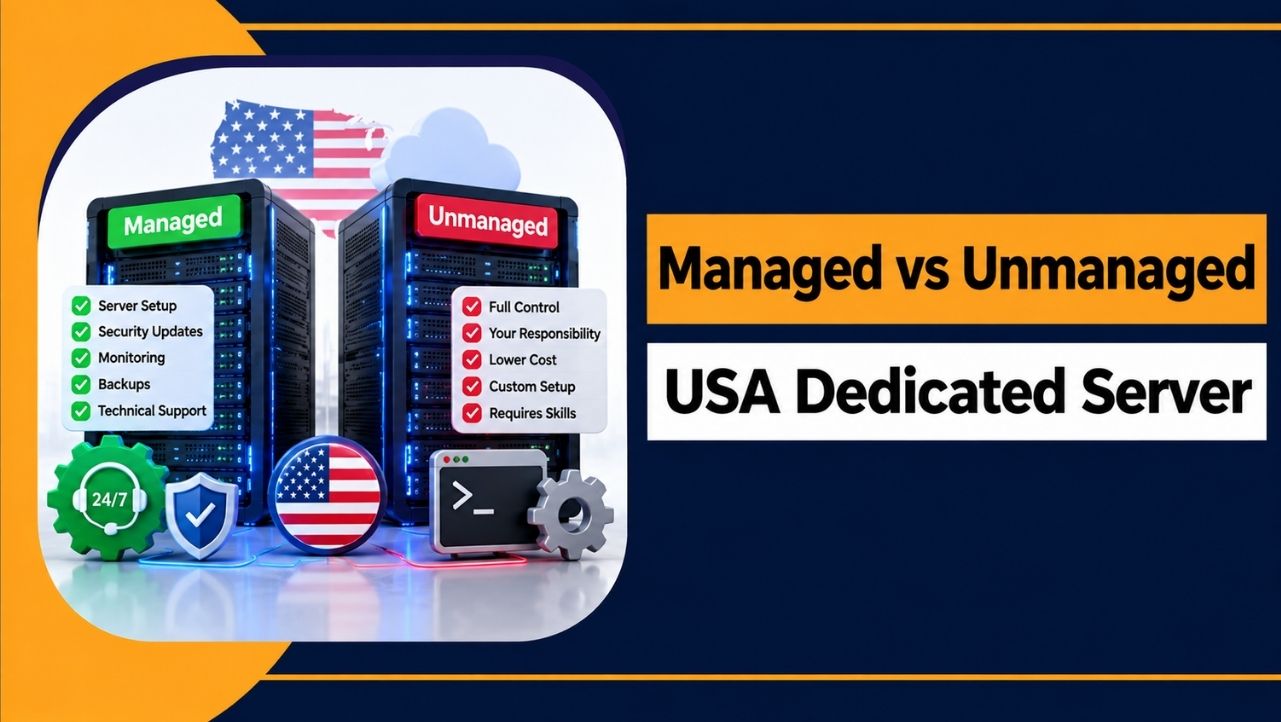
3. Managed vs Unmanaged Server Management
Dedicated servers generally fall into two categories based on management responsibilities.
Managed Dedicated Hosting
In managed hosting, the provider handles server maintenance, monitoring, software updates, and technical support. This option reduces the operational burden on businesses.
Best for:
- Growing businesses
- eCommerce websites
- Organizations without in-house IT teams
- Users seeking expert assistance
Unmanaged Dedicated Hosting
With unmanaged hosting, customers are responsible for server administration, updates, troubleshooting, and security management.
Best for:
- Developers
- System administrators
- Technically experienced businesses
- Organizations requiring advanced customization
4. Multiple Operating System Support
Dedicated servers typically support multiple operating systems, allowing businesses to select environments that match their application requirements.
Common operating system options include:
- AlmaLinux
- Rocky Linux
- Ubuntu
- Windows Server
This flexibility enables businesses to deploy applications without compatibility limitations.
5. Enterprise Grade Security Features
Modern dedicated servers include security measures designed to protect websites and applications from threats.
These features often include:
- DDoS protection
- Advanced firewall configurations
- Access control management
- Data isolation
- Security monitoring
Organizations handling sensitive customer information often prioritize these security capabilities when selecting dedicated infrastructure.
How Dedicated Hosting Differs in Practice
When traffic suddenly increases, shared hosting environments may experience performance fluctuations because resources are distributed among multiple users.
With dedicated hosting, your website continues utilizing its allocated resources without external interference, helping maintain speed, reliability, and a consistent user experience.
Key Features of Dedicated Server Hosting
Dedicated server hosting is designed for websites and applications that demand consistent performance, advanced security, and complete control. Here are the features that make dedicated hosting a preferred choice for growing businesses.
Exclusive Server Resources
Unlike shared hosting, dedicated servers provide access to an entire physical machine. This means your applications don’t compete with other users for processing power or memory.
You receive dedicated access to:
- CPU resources
- RAM allocation
- NVMe SSD storage
- Network bandwidth
- Server processing power
Full Root Access
Dedicated hosting gives administrators complete control over the server environment. This flexibility allows businesses to configure their infrastructure based on specific operational requirements.
With full root access, you can:
- Install custom software
- Configure server settings
- Create user permissions
- Optimize server performance
- Deploy preferred control panels
Businesses requiring complete administrative flexibility often choose NVMe SSD Dedicated Servers with full root access capabilities.
NVMe SSD Storage for Faster Performance
Modern dedicated servers use NVMe SSD storage to improve data access speeds and application responsiveness. Compared to traditional drives, NVMe technology delivers significantly faster read and write operations.
Benefits of NVMe SSD storage include:
- Faster website loading times
- Improved database performance
- Reduced latency
- Better handling of intensive workloads
Enterprise Level Security
Security remains a major advantage of dedicated server hosting because resources are isolated from other users. This minimizes risks associated with shared hosting environments.
Common security features include:
- DDoS protection
- Advanced firewall configurations
- Secure access management
- Server monitoring
- Data isolation
Organizations handling customer information or financial transactions often prioritize these security measures.
24/7 Technical Support
Managing dedicated infrastructure requires reliable technical assistance. Many hosting providers offer around the clock support to help resolve issues quickly.
Quality support services typically include:
- Server troubleshooting
- Hardware assistance
- Network monitoring
- Technical guidance
- Emergency response support
Businesses seeking expert assistance can benefit from Managed Dedicated Server Hosting solutions.
Multiple Operating System Support
Dedicated servers support various operating systems, allowing businesses to build environments tailored to their applications and workflows.
Popular operating systems include:
- AlmaLinux
- Rocky Linux
- Ubuntu
- Windows Server
This flexibility helps organizations maintain compatibility with their preferred software stack.
Scalable Resources
As websites grow, infrastructure requirements also change. Dedicated hosting provides the flexibility to upgrade hardware resources based on evolving business demands.
Scalable components often include:
- Additional RAM
- Higher CPU configurations
- Expanded storage capacity
- Increased bandwidth allocation
This scalability ensures businesses can continue growing without migrating to entirely new hosting environments.
Global Data Center Availability
Data center location affects website speed and user experience. Hosting providers with multiple server locations help businesses deliver content efficiently to global audiences.
Key benefits include:
- Lower latency
- Faster content delivery
- Improved uptime reliability
- Better regional performance
Selecting a server location close to your target audience can significantly improve website responsiveness and visitor satisfaction.
Benefits of Dedicated Server Hosting
Dedicated server hosting offers several advantages for businesses that require reliable performance, stronger security, and complete control over their hosting environment. These benefits become increasingly important as websites and applications continue to grow.
Superior Performance and Speed
Since all server resources are dedicated exclusively to your workloads, websites experience faster loading times and improved responsiveness, even during periods of high traffic.
Performance advantages include:
- Faster website loading speeds
- Better database processing
- Reduced latency
- Improved application responsiveness
- Consistent performance during traffic spikes
Enhanced Security and Data Protection
Dedicated hosting provides an isolated environment where your server resources are not shared with other users. This reduces potential security risks associated with multi-tenant hosting platforms.
Security benefits include:
- Greater data privacy
- DDoS protection capabilities
- Custom firewall configurations
- Controlled user access management
- Enhanced compliance support
Businesses handling customer information often prefer Dedicated Server Hosting because of its stronger security framework.
Complete Administrative Control
Dedicated servers offer root level access, allowing businesses to customize every aspect of the hosting environment according to operational requirements.
This level of control enables you to:
- Install preferred software
- Configure server settings
- Choose operating systems
- Implement custom security policies
- Optimize server performance
Improved Reliability and Stability
Shared hosting environments can sometimes experience performance fluctuations caused by neighboring accounts. Dedicated servers eliminate this concern by allocating all resources exclusively to one customer.
As a result, businesses benefit from:
- Stable website performance
- Higher uptime consistency
- Predictable resource availability
- Better visitor experiences
Scalability for Business Growth
Infrastructure requirements change as businesses expand. Dedicated hosting provides flexibility to upgrade hardware resources without moving to a completely different hosting environment.
Scalable resources may include:
- Additional RAM
- More CPU cores
- Expanded NVMe SSD storage
- Increased bandwidth capacity
This flexibility allows businesses to adapt to growing workloads efficiently.
Better Support for Resource Intensive Applications
Applications requiring significant computing power perform better in dedicated environments because resources remain consistently available.
Dedicated hosting is particularly useful for:
- eCommerce platforms
- SaaS applications
- Enterprise software
- Gaming servers
- Large databases
- High traffic websites
Better User Experience
Website speed and availability directly influence visitor satisfaction. Faster response times contribute to improved engagement and smoother interactions across your digital platforms.
Benefits for end users include:
- Faster page loading
- Reduced downtime
- Smooth browsing experiences
- Reliable access during peak periods
Organizations focused on delivering exceptional user experiences often invest in Managed Dedicated Server Solutions to maintain consistent service quality.
Dedicated Server Hosting vs Other Hosting Types
Choosing the right hosting solution depends on your website’s traffic, performance requirements, budget, and level of control needed. Understanding the differences between dedicated hosting and other hosting options can help you make an informed decision.
Dedicated Server Hosting vs Shared Hosting
Shared hosting is often the starting point for small websites because it is affordable and simple to manage. However, resources are distributed among multiple users on the same server.
Dedicated hosting provides an entirely different experience by allocating all server resources exclusively to one customer.
| Feature | Dedicated Hosting | Shared Hosting |
| Server Resources | Fully Dedicated | Shared Among Multiple Users |
| Performance | High and Consistent | Can Fluctuate |
| Security | Enhanced Isolation | Basic Security |
| Root Access | Available | Not Available |
| Customization | Extensive | Limited |
| Scalability | High | Restricted |
| Best For | Businesses and High Traffic Websites | Personal Blogs and Small Websites |
When to choose Dedicated Hosting:
- Your website receives significant traffic
- You need complete server control
- Security is a top priority
- Applications require dedicated resources
Businesses upgrading from Shared Hosting often move to dedicated servers when growth demands more stability and performance.
Dedicated Server Hosting vs VPS Hosting
VPS hosting uses virtualization technology to divide a physical server into multiple isolated environments. While resources are allocated individually, the underlying hardware is still shared.
Dedicated hosting eliminates this shared infrastructure entirely. For a deeper side-by-side breakdown, see Dedicated Server vs VPS: Which One to Choose.
| Feature | Dedicated Hosting | VPS Hosting |
| Server Type | Physical Server | Virtual Environment |
| Resource Allocation | Fully Dedicated | Partially Shared |
| Performance | Maximum Performance | Good Performance |
| Root Access | Full Access | Full Access |
| Customization | Extensive | Moderate |
| Scalability | High | High |
| Cost | Higher | More Affordable |
| Best For | Enterprise Workloads | Growing Websites |
When to choose Dedicated Hosting:
- Applications require intensive processing power
- Performance consistency is essential
- Workloads exceed VPS limitations
- Enhanced isolation is required
Many businesses initially start with VPS Hosting before transitioning to dedicated infrastructure as resource demands increase.
Dedicated Server Hosting vs Cloud Hosting
Cloud hosting distributes workloads across multiple interconnected servers. This model offers flexibility and rapid scalability for changing traffic patterns.
Dedicated hosting focuses on delivering exclusive access to physical resources within a single server environment.
| Feature | Dedicated Hosting | Cloud Hosting |
| Infrastructure | Single Physical Server | Multiple Virtual Servers |
| Resource Allocation | Fully Dedicated | Shared Cloud Resources |
| Performance | Consistent | Flexible |
| Scalability | Hardware Based | Instant Scaling |
| Customization | Extensive | Moderate |
| Predictability | High | Variable |
| Pricing | Fixed | Usage Based |
| Best For | Mission Critical Applications | Dynamic Workloads |
When to choose Dedicated Hosting:
- Predictable performance is important
- You require maximum customization
- Compliance requirements exist
- Applications need dedicated hardware
Which Hosting Option Is Right for You?
The ideal hosting solution depends on your specific business objectives and technical requirements.
Choose Shared Hosting if:
- You’re launching a small website
- Traffic volumes remain relatively low
- Budget is a primary consideration
Choose VPS Hosting if:
- Your website is growing steadily
- You require more flexibility
- Moderate customization is sufficient
Choose Dedicated Server Hosting if:
- You manage high traffic websites
- Security requirements are stringent
- Applications demand substantial resources
- Complete server control is necessary
Dedicated hosting remains one of the most powerful solutions for businesses prioritizing performance, reliability, and long term scalability.
Who Should Use Dedicated Server Hosting?
Dedicated server hosting is not necessary for every website. However, businesses with increasing traffic, resource intensive applications, and strict security requirements often benefit significantly from dedicated infrastructure.
Here are the types of users who should consider dedicated hosting. If you want a more direct checklist, see Who Needs a Dedicated Server in India?
eCommerce Websites
Online stores process customer information, handle payment transactions, and experience seasonal traffic spikes. Dedicated hosting provides the stability and security required to support these operations.
Dedicated hosting benefits eCommerce websites by offering:
- Faster page loading speeds
- Improved checkout performance
- Enhanced customer data protection
- Better handling of high traffic volumes
Large online stores often choose Dedicated Server Hosting to maintain consistent shopping experiences during peak sales periods.
SaaS Applications
Software as a Service platforms rely heavily on server resources to deliver uninterrupted services to users. Performance issues can directly impact customer satisfaction and retention.
Dedicated servers help SaaS businesses by providing:
- Reliable application performance
- Dedicated computing resources
- Better scalability options
- Greater control over configurations
High Traffic Websites and Blogs
Media websites, news portals, and established blogs can attract thousands of visitors daily. Shared hosting environments may struggle to support these traffic levels consistently.
Dedicated hosting ensures:
- Stable website performance
- Faster content delivery
- Improved visitor experience
- Reduced risk of downtime
Gaming Servers
Multiplayer gaming environments require low latency and consistent processing power to provide smooth gameplay experiences.
Dedicated servers are ideal because they offer:
- Reduced latency
- High processing capabilities
- Better player experiences
- Custom server configurations
Enterprise and Corporate Websites
Large organizations often manage multiple applications, databases, and internal systems that demand secure and reliable hosting infrastructure.
Dedicated hosting provides enterprises with:
- Enhanced security controls
- Improved operational reliability
- Resource flexibility
- Compliance support capabilities
Development and Testing Environments
Development teams frequently require isolated environments to test applications, deploy updates, and experiment with server configurations.
Dedicated servers allow developers to:
- Customize server environments
- Test complex applications
- Manage staging environments efficiently
- Implement advanced configurations
Signs Your Website Needs a Dedicated Server
As websites grow, certain indicators suggest that upgrading to dedicated hosting may be the right decision.
Frequent Website Slowdowns
If your website becomes noticeably slower during periods of increased traffic, your current hosting environment may no longer provide sufficient resources.
Common symptoms include:
- Slow page loading times
- Delayed database responses
- Reduced application performance
- Visitor complaints about speed
Growing Website Traffic
Increasing visitor numbers are generally positive for business growth. However, higher traffic also places additional strain on hosting infrastructure.
You may need dedicated hosting if:
- Monthly traffic continues to rise steadily
- Traffic spikes impact performance
- Existing plans frequently exceed resource limits
Resource Limitation Notifications
Hosting providers often notify customers when websites consistently exceed allocated resources.
Warning signs include:
- CPU usage alerts
- Memory limitation warnings
- Bandwidth restrictions
- Account suspension notices
Businesses experiencing these issues often transition from VPS Hosting to dedicated server environments.
Enhanced Security Requirements
Organizations handling customer information, financial transactions, or sensitive data often require stronger security measures.
Dedicated hosting supports enhanced security through:
- Greater server isolation
- Custom firewall implementation
- Advanced access controls
- Improved monitoring capabilities
Need for Server Customization
Some applications require specialized software, operating systems, or server configurations that shared hosting cannot support.
Dedicated servers become valuable when you need:
- Root level administrative access
- Custom software installations
- Specific operating system requirements
- Advanced server configurations
Hosting Multiple Resource Intensive Applications
Running several demanding applications on a single hosting account can quickly exhaust available resources.
Dedicated hosting provides the capacity needed for:
- Multiple business applications
- Large databases
- High volume websites
- Enterprise workloads
If several of these signs apply to your business, upgrading to a dedicated server may help improve performance, security, and long term scalability.
Managed vs Unmanaged Dedicated Server Hosting
When choosing a dedicated server, one of the most important decisions is whether you need a managed or unmanaged hosting solution. The right choice depends on your technical expertise, available resources, and business requirements.
What Is Managed Dedicated Hosting?
Managed dedicated hosting means the hosting provider takes care of server administration tasks, allowing businesses to focus on their operations rather than server management.
Services commonly included in managed hosting:
- Server setup and configuration
- Operating system updates
- Security patch management
- 24/7 server monitoring
- Technical support assistance
- Basic troubleshooting and maintenance
Benefits of Managed Dedicated Hosting
Managed hosting is ideal for businesses that prefer convenience and expert support.
Key advantages include:
- Reduced administrative workload
- Access to experienced technical teams
- Improved server security management
- Faster issue resolution
- More time to focus on business growth
Best Suited For
Managed dedicated hosting is recommended for:
- eCommerce businesses
- Growing startups
- Corporate websites
- Businesses without in house IT teams
- Website owners seeking hands off management
Organizations requiring expert assistance often choose Managed Dedicated Server Hosting to ensure smooth server operations.
What Is Unmanaged Dedicated Hosting?
Unmanaged dedicated hosting gives users complete responsibility for server administration. The hosting provider supplies the hardware and network infrastructure, while customers handle server management tasks.
Responsibilities typically include:
- Server configuration
- Security management
- Software installation
- System updates
- Performance optimization
- Troubleshooting issues
Benefits of Unmanaged Dedicated Hosting
For experienced users, unmanaged hosting offers maximum flexibility and control.
Key advantages include:
- Complete server customization
- Greater control over configurations
- Freedom to install specialized software
- Lower management costs
- Flexible administration options
Best Suited For
Unmanaged dedicated hosting is ideal for:
- System administrators
- Experienced developers
- DevOps teams
- Businesses with internal IT departments
- Organizations requiring advanced customization
Managed vs Unmanaged Dedicated Hosting Comparison
| Feature | Managed Dedicated Hosting | Unmanaged Dedicated Hosting |
| Server Maintenance | Provider Managed | Customer Managed |
| Security Updates | Included | Self-Managed |
| Technical Support | Extensive | Limited |
| Customization | Moderate | Extensive |
| Technical Expertise Required | Minimal | Advanced |
| Cost | Higher | Lower |
| Best For | Businesses and Beginners | Developers and IT Teams |
Still unsure which support level fits your team? Our guide on managed vs unmanaged dedicated server hosting walks through this decision in more detail.
How to Choose the Right Dedicated Server Hosting Plan
Selecting the right dedicated server involves evaluating your current requirements and future growth expectations. Choosing the wrong configuration may lead to unnecessary expenses or performance limitations.
Evaluate Your Performance Requirements
Start by understanding how much processing power your applications require. Resource intensive websites generally benefit from more powerful server configurations.
Consider factors such as:
- Daily website traffic
- Number of simultaneous users
- Application complexity
- Database activity levels
Determine RAM Requirements
Memory plays an important role in website responsiveness and application performance. Insufficient RAM can result in slower loading times and reduced efficiency.
Generally, businesses should consider:
- 16 GB RAM for medium workloads
- 32 GB RAM for growing applications
- 64 GB or more for enterprise environments
Choose the Right Storage Type
Storage technology significantly impacts website speed and data access performance.
NVMe SSD storage offers advantages such as:
- Faster read and write speeds
- Lower latency
- Improved application performance
- Better database responsiveness
Many businesses prioritize NVMe SSD Dedicated Servers to maximize performance.
Consider Bandwidth Requirements
Bandwidth determines how much data your server can transfer to visitors.
Evaluate:
- Current traffic levels
- Expected growth projections
- Media-heavy content requirements
- Download activity patterns
Check Data Center Locations
The closer your server is to your target audience, the better the website performance and loading speed.
When selecting a data center, consider:
- Primary audience location
- Regional compliance requirements
- Latency expectations
- Global expansion plans
Review Security Features
Security should remain a top priority when selecting dedicated hosting.
Look for providers offering:
- DDoS protection
- Firewall management
- Regular backups
- Secure access controls
- Continuous monitoring
Evaluate Technical Support Quality
Reliable support can minimize downtime and resolve technical issues quickly.
Choose providers offering:
- 24/7 technical assistance
- Multiple support channels
- Fast response times
- Experienced server specialists
Plan for Future Growth
Your hosting requirements may evolve as your business expands. Selecting a scalable solution helps avoid unnecessary migrations later.
Consider providers that allow:
- RAM upgrades
- CPU expansion
- Additional storage allocation
- Flexible server configurations
Taking these factors into account will help you choose a dedicated server solution that aligns with both your current needs and long term business objectives.
How Much Does Dedicated Server Hosting Cost?
Dedicated server pricing scales with CPU cores, RAM, and storage, so costs vary widely between an entry-level single server and a high-core enterprise build. As a reference point, here is what dedicated server hosting costs in India with YouStable:
| Tier | Typical Use Case | Specs | Starting Price |
|---|---|---|---|
| Entry Xeon | Single growing website or app | 8 CPU cores, 32GB DDR4 RAM | ₹7,409/mo |
| Mid Xeon / EPYC | Ecommerce store, SaaS backend | Higher core counts, more RAM | ₹15,000 to ₹30,000/mo |
| High-core EPYC | High traffic, databases, ML workloads | High core count, large RAM | ₹40,000/mo+ |
Custom builds are also available if a stock configuration does not fit your workload. For a full breakdown of what drives dedicated server pricing up or down, see our guide on dedicated server pricing in India.
Common Misconceptions About Dedicated Server Hosting
Dedicated hosting is often misunderstood, leading some businesses to overlook its potential benefits. Let’s address a few common misconceptions.
Dedicated Servers Are Only for Large Enterprises
Many people assume dedicated hosting is suitable only for multinational companies. In reality, growing businesses, eCommerce stores, and high traffic websites can also benefit from dedicated resources.
If website performance directly impacts your revenue or customer experience, dedicated hosting may be a practical investment regardless of company size.
Dedicated Hosting Is Too Difficult to Manage
While unmanaged servers require technical expertise, managed dedicated hosting simplifies server administration significantly.
With Managed Dedicated Server Hosting, providers handle updates, monitoring, and maintenance, making dedicated infrastructure accessible even to non technical users.
Dedicated Servers Are Always Expensive
Dedicated hosting generally costs more than shared or VPS hosting. However, the additional performance, security, and reliability often justify the investment for resource intensive projects.
Unexpected downtime and poor website performance can cost businesses far more than investing in suitable infrastructure.
Cloud Hosting Has Completely Replaced Dedicated Servers
Cloud hosting offers flexibility, but dedicated servers remain essential for businesses requiring predictable performance, hardware level control, and strict security compliance.
Many organizations continue choosing dedicated hosting because of its stability and resource exclusivity.
FAQs
When Should You Use Dedicated Hosting?
You should consider dedicated hosting when your website experiences frequent slowdowns, increasing traffic, resource limitations, or requires stronger security measures. Businesses running mission critical applications also benefit from dedicated infrastructure.
What Are the Benefits of Dedicated Hosting?
Dedicated server hosting offers several advantages for websites that require high performance and reliability.
Key benefits include:
• Exclusive access to server resources
• Better website speed and stability
• Enhanced security and data isolation
• Full root access and customization
• Improved scalability for future growth
Is Dedicated Hosting Worth It?
Yes, dedicated hosting is worth considering for businesses experiencing growth, handling sensitive data, or requiring consistent performance. The additional control and reliability often justify the investment.
How to Choose a Dedicated Server?
Before selecting a dedicated server, evaluate your current and future requirements carefully.
Consider factors such as:
• CPU and RAM requirements
• NVMe SSD storage capacity
• Bandwidth availability
• Data center location
• Security features
• Technical support quality
• Scalability options
Managed vs Unmanaged: Which Is Better?
Managed dedicated hosting is ideal for businesses seeking expert support and simplified server management. Unmanaged hosting is better suited for developers and organizations with in house technical expertise.
Conclusion
Dedicated server hosting provides businesses with exclusive resources, enhanced security, and complete control over their hosting environment. These advantages make it an excellent choice for websites and applications with demanding performance requirements.
While shared and VPS hosting work well for smaller projects, dedicated servers offer the reliability and scalability required to support growing businesses and mission critical operations.
If your website is experiencing increasing traffic, performance limitations, or evolving security needs, exploring Dedicated Server Hosting solutions can help you build a stronger foundation for future growth.