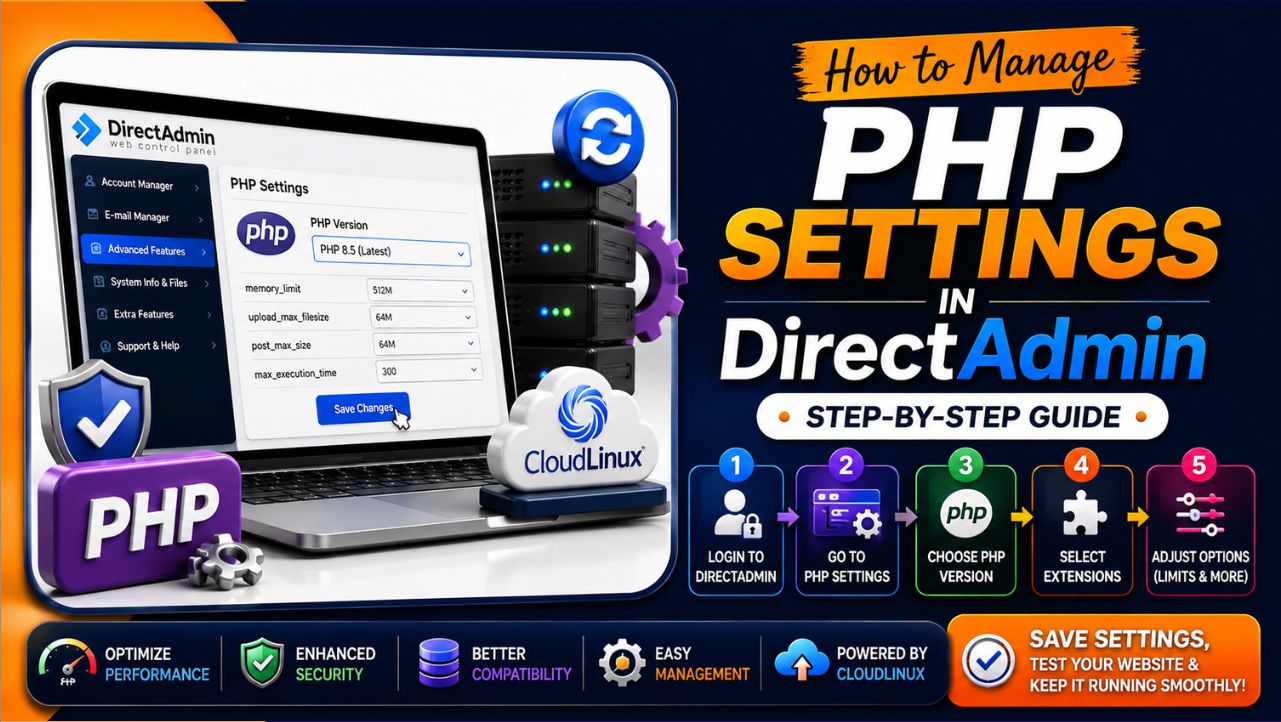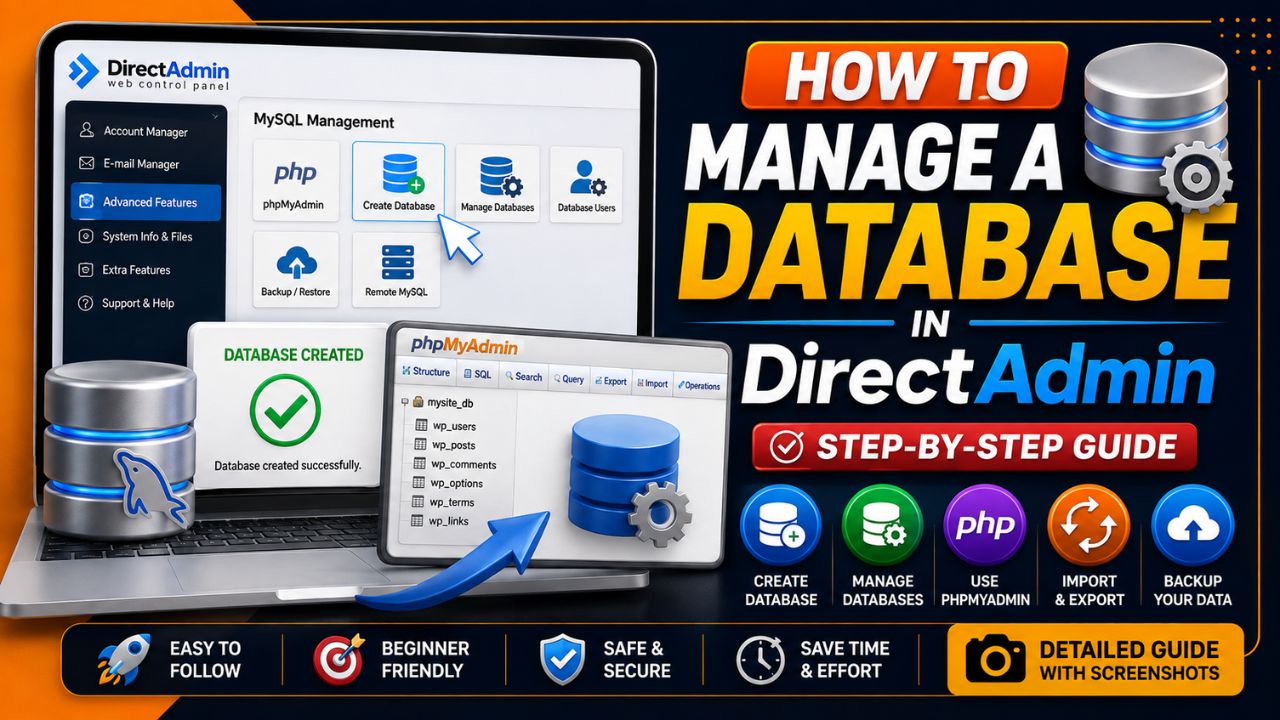
To start a blog in Kenya in 2026, choose a niche, register a .com or .co.ke domain, buy fast NVMe WordPress hosting close to Nairobi, and install WordPress with SSL. Configure SEO, caching, and backups, then publish helpful Swahili or English content matching Kenyan search intent.
Optimize speed for mobile users, promote on social media, and monetize via AdSense, affiliates, and M-Pesa powered products. Track progress in Search Console and refine weekly. Starting a blog in Kenya in 2026 is one of the smartest ways to build a digital asset that compounds in value.
Affordable hosting, M-Pesa friendly tools, and Google’s push for helpful, local content make it the perfect time to begin. This guide shows you exactly how to start a blog in Kenya step by step choosing a niche, picking a domain, setting up fast hosting, installing WordPress, doing SEO that works, and monetizing with AdSense, affiliates, and products.
As a Senior Technical SEO content writer at a web hosting company, I’ll share field tested, Kenya specific tips: .co.ke vs .com, mobile speed on Safaricom/Airtel networks, M-Pesa integrations, and Core Web Vitals that actually move rankings.
Why You Should Start a Blog in Swahili (Kiswahili)?
Kenya’s audience increasingly searches & shares in Swahili across the open web and social apps. Helpful local language content earns faster trust, longer reads, and more shares than generic English.
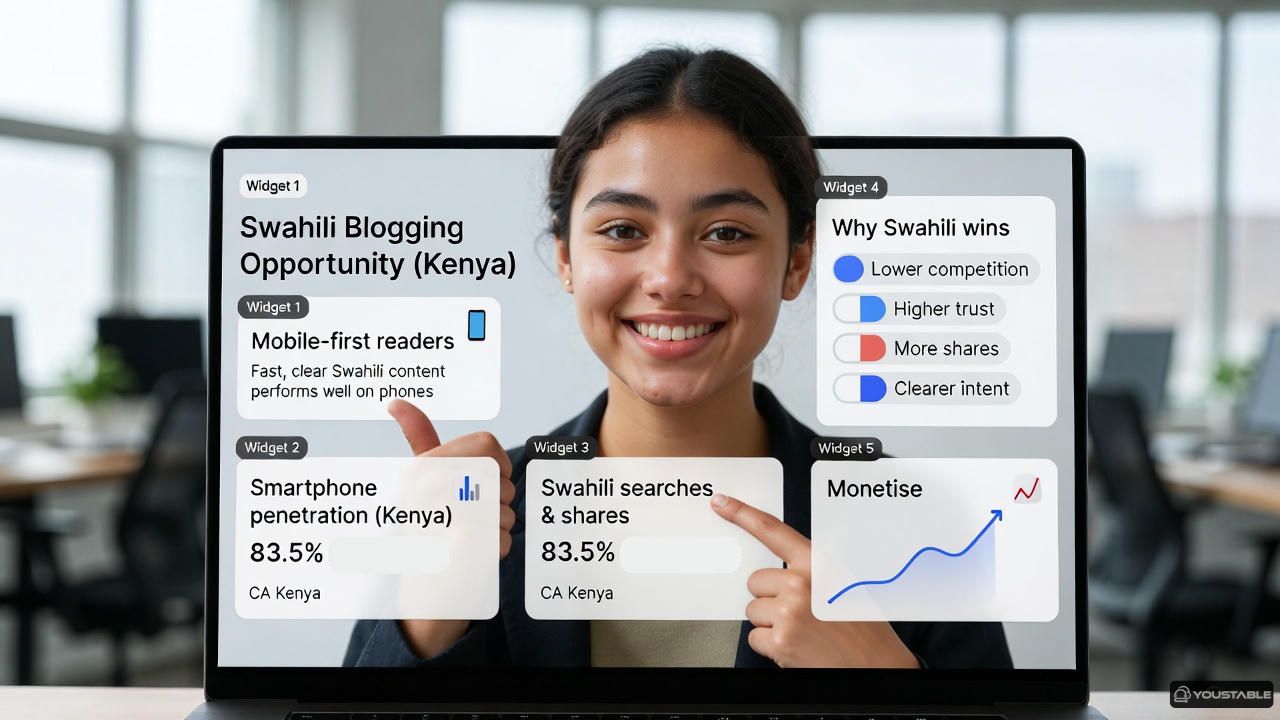
Kenya’s internet penetration keeps rising, driven by affordable smartphones and wider 4G/5G coverage. Many readers prefer explanations in Swahili for clarity, relatability, and cultural nuance even when they speak English. This shift means lower competition and higher engagement for Swahili bloggers in most niches.
Brands and advertisers increasingly target local language audiences because intent is clearer and conversions are stronger. Google’s helpful content updates also reward content written by experts for real people not AI fluff or generic translations. Swahili content aligned to Kenyan search intent wins on both trust and SEO.
- Lower competition, higher ranking opportunities
- Stronger audience trust and loyalty in native language
- Better engagement, time on page, and social sharing
- Easier monetization with local offers and affiliates
What Do You Need to Start a Blog in Swahili (Kiswahili)?
Keep your launch list simple so you can ship fast and iterate weekly without friction. Focus on clarity (Niche, domain) and performance (Hosting, SEO) before design flourishes.
- A clear blogging niche and target audience
- A brandable, memorable domain name
- Fast, reliable WordPress hosting
- WordPress with SSL, cache, & SEO configured
- A content calendar and publishing discipline
Choosing a Perfect Domain Name for Your Swahili Blog with YouStable
Your domain name is like your online identity in Kenya. It is the first thing people see, type, and share. That’s why choosing the right domain matters from day one.
When you pick a name, keep it short, clear, and easy to pronounce. If someone hears your blog name on WhatsApp, YouTube, or TikTok, they should be able to remember and type it without confusion. Simple names spread faster through word of mouth.
Avoid hyphens, numbers, and forced keywords. These make domains harder to trust and easy to forget. A brandable name also gives you freedom to grow later without changing your blog’s identity.
Examples of clean, brandable Swahili friendly names:
- LeoTech
- JikoniHub
- ShambaSmart
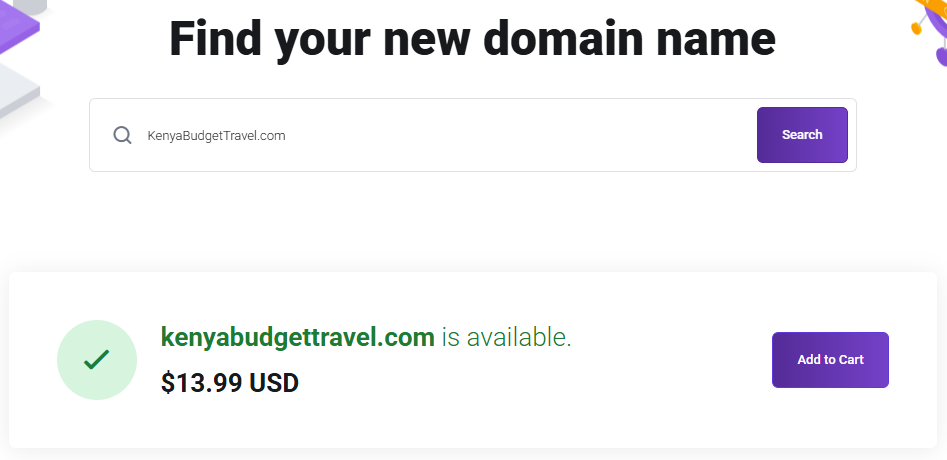
- KenyaBudgetTravel
You can search and register all these domain ideas easily while buying hosting from YouStable, which saves time and avoids technical setup issues later.
Best Domain Extensions for Kenya (Buy Easily via YouStable)
Choosing the right domain extension helps both trust and SEO.
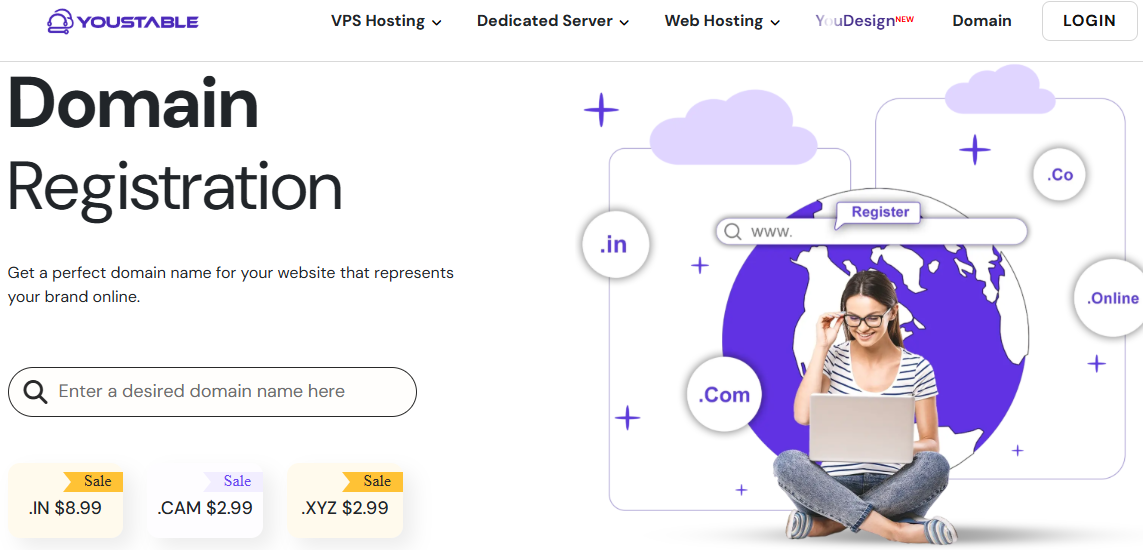
- .com – Best for global reach, easy to remember, and highly trusted
- .co.ke / .ke – Strong local SEO signal for Kenyan audiences
- .africa / .blog – Good alternatives if your main choice is unavailable
If you plan to target Kenyan readers only, .co.ke or .ke works very well. For future flexibility, .com is a safe long term option.
With YouStable, you can:
- Check domain availability instantly
- Register .com and many popular extensions with hosting
- Connect or manage your domain from one simple dashboard
This keeps everything in one place, which is perfect for beginners.
Free vs Paid Hosting What’s Better for Beginners?
Free hosting is tempting but risky. You’ll face slow speeds, random downtime, forced ads, and resource limits that kill Core Web Vitals. Search engines and advertisers distrust unstable sites, and AdSense approvals become harder.
Paid hosting with NVMe SSD, LiteSpeed/OpenLiteSpeed, free SSL, daily backups, and proactive security is worth it. Faster TTFB, better uptime, and caching support give you a ranking advantage and a smoother reader experience on mobile data.
Best Hosting Setup for Beginners in 2026
Choose NVMe SSD storage and LiteSpeed/OpenLiteSpeed for superior PHP performance and caching. Pair this with a data center close to your readers Johannesburg, Nairobi (if available), Mumbai, or Frankfurt typically deliver low latency to Kenya.
Enable a CDN with an Africa or Nairobi POP (Cloudflare has strong coverage), HTTP/3, and image optimization. A WordPress optimized stack with one click installers, staging, and automatic backups will save you hours monthly.
- NVMe SSD + LiteSpeed/OpenLiteSpeed server
- Server location near Kenya (Johannesburg/Mumbai/Frankfurt)
- Free SSL, daily backups, malware scanning
- CDN integration (Cloudflare/QUIC.cloud) with Nairobi POP
- 1‑click WordPress install and staging tools
Set Up Hosting with YouStable – (Step by Step Guide)
While several hosts work, YouStable is a solid fit for regional bloggers thanks to fast NVMe servers, LiteSpeed stack, and WordPress friendly support.
Here’s a quick setup path tailored to Kenyan bloggers:
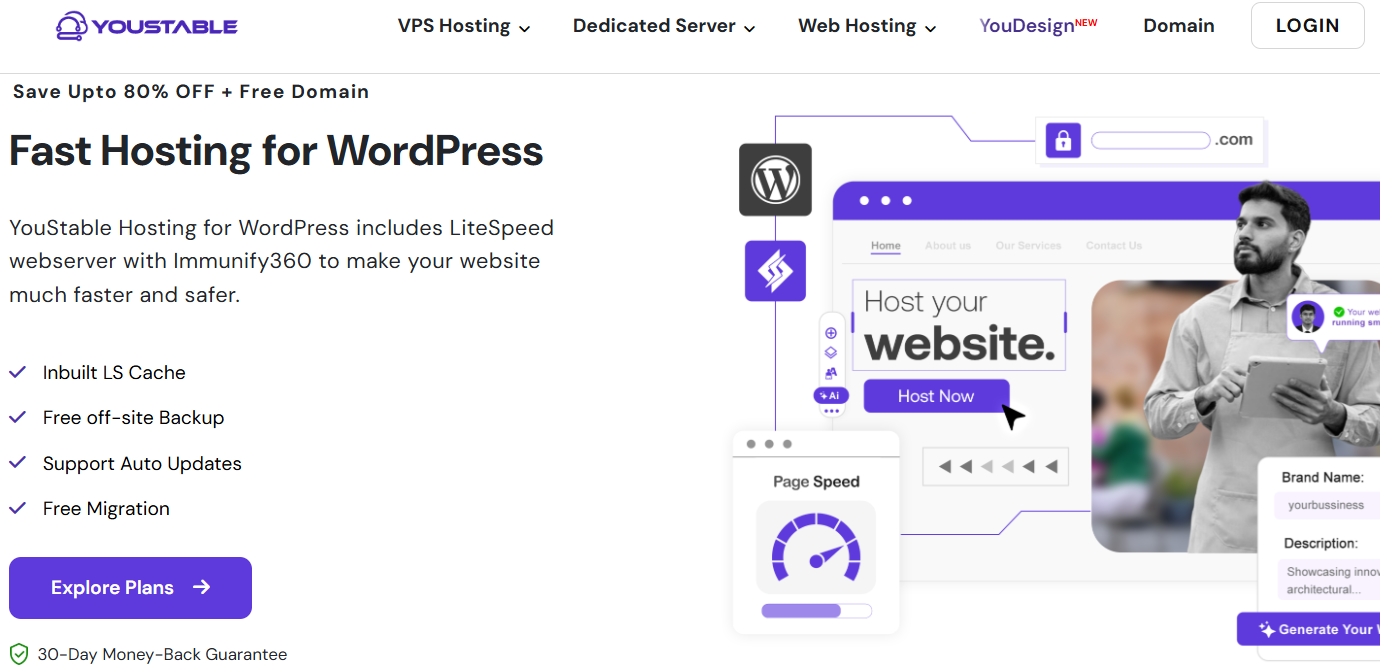
- Visit the YouStable website and open WordPress hosting plans.
- Choose a beginner plan with NVMe and LiteSpeed caching included.
- Select a server near Kenya (Johannesburg, Mumbai, or Frankfurt are good picks).
- Register a new domain (.com or .co.ke) or connect an existing one via nameservers.
- Complete checkout and log in to your hosting dashboard/cPanel.
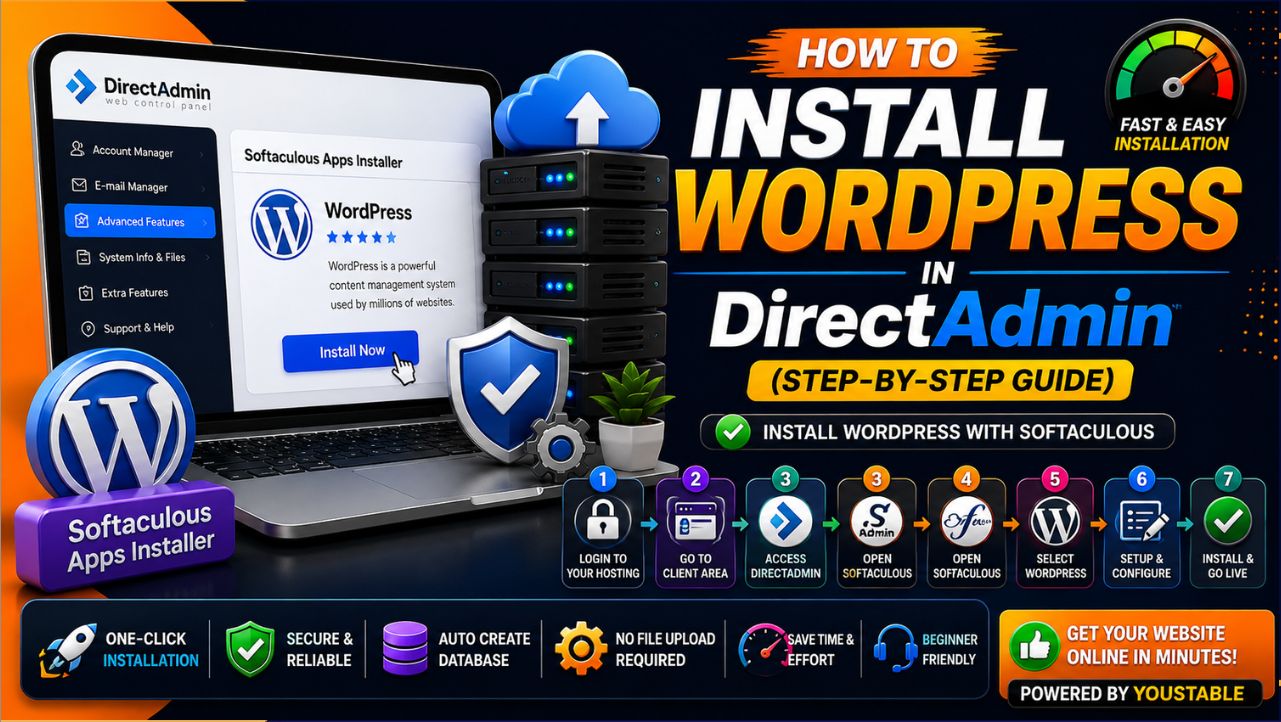
- Install WordPress using the 1 click installer (Softaculous/Installatron).
- Enable a free SSL certificate and force HTTPS.
- Activate the LiteSpeed Cache plugin and enable QUIC.cloud or Cloudflare CDN.
For Kenyan traffic, pick the lowest latency region on your plan and turn on CDN with a Nairobi adjacent POP. This setup consistently improves Core Web Vitals on Safaricom/Airtel networks.
| YouStable WordPress Hosting Plans & Pricing Table in 2026 | ||||
|---|---|---|---|---|
| Plans Name | Websites | Storage | Bandwidth | Monthly Pricing |
| DaStart | 1 | 50GB NVMe SSD | Unmetered | $0.65/mo |
| DaProfessional | 25 | 100GB NVMe SSD | Unmetered | $1.31/mo |
| DaElite | Unlimited | 200GB NVMe SSD | Unmetered | $2.42/mo |
Install WordPress & Set Up Your Swahili Blog
Use the one click installer, set a strong admin password, and keep the admin email secure (attach 2FA). From day one, enable HTTPS to avoid mixed content errors and to signal trust to visitors and search engines.
Basic WordPress Settings
- Site language: Swahili (Kiswahili) or English as your primary content language
- Timezone: Africa/Nairobi
- Permalinks: Post name
- Discussion: Enable comment moderation and anti spam
- Search visibility: Keep “Discourage search engines” unchecked after launch
Essential Pages
- About: Who you are and why your content is trustworthy
- Contact: Email form and social handles
- Privacy Policy: Comply with Kenya Data Protection Act and GDPR (if EU traffic)
- Disclaimer: Medical/financial advice disclaimers if relevant
Essential Plugins (Lean Stack)
- SEO: Rank Math or Yoast (configure titles, schema, sitemap)
- Cache: LiteSpeed Cache (use QUIC.cloud) or WP Rocket on NGINX hosts
- Security: Wordfence or Solid Security; add 2FA and limit login
- Backup: UpdraftPlus to remote storage (Google Drive/Wasabi/Backblaze)
- Images: ShortPixel/Imagify for WebP; enable lazy load
- Forms: WPForms or Contact Form 7 with reCAPTCHA
- SMTP: FluentSMTP connected to a reliable sender (Brevo/Mailgun)
- Analytics: GA4; connect Google Search Console and Bing Webmaster Tools
- Cookie consent: A simple banner to meet privacy guidelines
Best Blogging Platform to Start a Blog in Swahili (Kiswahili)
Pick a platform you control and can monetize without limits or sudden policy changes.
Self hosted WordPress hits the sweet spot for SEO control, speed, and flexibility in Kenya.
WordPress lets you own your domain, deploy robust SEO and performance plugins, and integrate M-Pesa payments for digital products via WooCommerce or donation plugins. Themes are abundant, and you can switch designs without losing content. Scaling from a blog to a full site is seamless.
Blogger and Medium are simpler but limiting. You’ll face restrictions on customization, SEO schema, speed optimizations, and monetization flexibility. For Kenyan bloggers targeting long term income, WordPress remains the best balance of control, cost, and growth potential.
Content Ideas & Choosing the Right Niche
Start where you have real world experience your job, hobby, or a problem you’ve solved. In Kenya, evergreen niches consistently perform: personal finance (M-Pesa, SACCOs, side hustles), food (Kenyan recipes), travel (local destinations), education (KCSE/KCPE revision), agribusiness, tech how‑tos, and parenting. Local news and sports work, but require frequency and editorial rigor.
Validate demand using Google Trends (Kenya region), autocomplete, and “People Also Ask.” Check forums and Facebook Groups for questions people repeat. Align your niche with monetization options: AdSense for broad topics, affiliates for product centric content (Jumia, Kilimall, travel), and M-Pesa powered ebooks/courses for expertise niches.
Importance of Consistency and Patience
Blogging compounds. Publish weekly for 3–6 months to build topical authority, then double down on winners. Expect meaningful Google traffic around months 3–9 if your content is high quality and optimized.
Adopt a publish → analyze → improve loop. Update posts to reflect current prices, policies (e.g., SHIF vs NHIF changes), and Kenyan context. Momentum, not perfection, is the growth driver.
How to Write SEO Friendly Content for a Swahili Blog
Rankings follow usefulness; usefulness follows clarity, structure, and reader intent.
Write like a helpful teacher. Format like an engineer: headings, bullets, and clean URLs.
Step 1. Write Original & Valuable Content
Explain concepts in plain Swahili, with Kenyan examples and up to date figures. Cite trusted sources (government portals, banks, local universities). If you use AI to brainstorm, always rewrite with your voice and add firsthand experience screenshots, local prices, and case studies.
Step 2. Keyword Research (Language + Regional)
Use Google autocomplete, People Also Ask, and related searches in both Swahili and English. Look for long tail variations with local qualifiers like “in Kenya,” “Nairobi,” or “2026prices.” Tools like Google Trends, AnswerThePublic, and free SERP scrapes help map demand quickly.
- Target low competition questions for quick wins
- Cover synonyms and Swahili/English variants
- Group keywords into topical clusters and pillar pages
Step 3. On Page SEO
Keep titles clear and benefit led. Use H2/H3 subheads to answer intent fast. Add internal links to related posts and a featured snippet paragraph at the top that directly answers the query this increases your chances for the #0 position.
- Title tags: concise, primary keyword near the start
- Meta descriptions: promise value, include a call to action
- Schema: Article, FAQPage, HowTo where applicable
- URLs: short, readable, hyphen separated
Step 4. Use Images & Internal Linking
Compress images to WebP and serve via CDN. Use descriptive alt text in Swahili or English to match your post language. Internally link to cornerstone articles and related how tos to boost crawlability and topical authority.
Step 5. Update Content Regularly
Content freshness is a ranking signal. Set reminders to refresh data quarterly prices, regulations, and screenshots. Merge thin posts into comprehensive guides to avoid cannibalization and build stronger topical coverage.
How to Rank Your Swahili Blog on Google
Ranking in Kenya requires intent match, excellent mobile speed, and EEAT signals. Focus on consistent value delivery, then promote smartly for natural links.
- Search intent match: Answer the query fast with skimmable sections.
- Topical authority: Build clusters; link supporting posts to pillars.
- Internal linking: Highlight related posts and categories prominently.
- Page speed & CWV: Aim for LCP < 2.5s on 4G; minimize JS and unused CSS.
- EEAT signals: About page, author bio, citations, and real screenshots.
- Content freshness: Update posts with 2026 data and Kenyan context.
- Natural backlinks: Publish stats, local studies, and practical templates.
Core Web Vitals Targets for Kenya
- LCP: < 2.5s on mobile (optimize hero images, preconnect CDN)
- CLS: < 0.1 (reserve space for ads/images)
- INP: < 200ms (defer non critical JS; limit heavy plugins)
Use Cloudflare with Nairobi POP, image CDNs, and LiteSpeed Cache’s CSS/JS optimizations to stabilize performance on Kenyan mobile networks. Test with PageSpeed Insights and WebPageTest (simulate 3G/4G).
7 Ways to Make Money from a Swahili Blog in 2026
Monetization works when it aligns with audience intent and trust. Start with one method, prove it works, then layer others to diversify income.
Keep records for tax compliance. Register a business if your monthly revenue grows; your KRA PIN, invoicing, and banking will simplify partnerships and payouts.
- Google AdSense: Great for broad, high traffic topics. Improve RPM with longer dwell time, clear layouts, and fast pages. Set up Auto Ads carefully to avoid layout shifts.
- Affiliate Marketing: Promote products you use. Try Jumia, Kilimall, travel programs (Booking.com), software tools, or local fintech. Write comparison guides and tutorials to improve conversions.
- Sponsored Posts: As your traffic and authority grow, brands will approach you. Create a media kit, set a rate card, and mark sponsored content clearly for transparency.
- Digital Products: Sell ebooks, templates, or mini courses in KES with M-Pesa via WooCommerce + Pesapal/Flutterwave/Paystack gateways. Deliver instant downloads and protect files.
- Services & Freelancing: Offer consulting, writing, design, or social media management. Use your blog as a portfolio and capture leads with forms and Calendly links.
- Local Business Leads: Rank for local intent (“best plumber in Nairobi”), then sell leads or partner on commission. Build city pages and service guides.
- YouTube + Blog Combo: Repurpose posts into videos in Swahili/English. Embed videos in posts for session time, and drive traffic both ways for diversified revenue.
FAQs
How much does it cost to start a blog in Kenya?
Expect KES 4,000–10,000 for year one: domain (KES 1,000–3,500 for .com/.co.ke) plus shared NVMe hosting (KES 3,000–6,500). Premium themes or tools are optional early on.
u003cstrongu003eIs .co.ke better than .com for SEO?u003c/strongu003e
.co.ke improves Kenya geo relevance; .com is globally trusted and easier to remember. Both can rank well. Choose based on audience focus and brand availability.
Can I monetize with M-Pesa on WordPress?
Yes. Use WooCommerce with gateways like Pesapal, Flutterwave, or Paystack that support M-Pesa. They handle KES, receipts, and secure checkouts for digital products or donations.
How long before I get traffic and AdSense approval?
With weekly, high quality posts, initial search traffic typically appears within 8-12 weeks. AdSense approval depends on content depth, originality, and policy compliance build 15-25 solid posts first.
Which niches pay best in Kenya?
Personal finance, tech/product reviews, travel, education, and food tend to monetize well via affiliates and AdSense. Choose a niche you can cover deeply and consistently.
Do I need to register a business to blog?
No, not at the start. As revenue grows, register a business for invoicing and partnerships. Keep proper records and comply with KRA tax requirements on your earnings.
Can I start a blog using only a phone?
Yes, you can start with a smartphone and WordPress mobile apps. For editing long posts, optimizing images, and managing SEO, a laptop will significantly improve workflow.
Conclusion
Blogging in Kenya is a practical, low cost path to authority, impact, and income. By focusing on Swahili or English content that solves real problems, and by investing in fast hosting, clean SEO, and consistent publishing, you build a durable digital asset.
Start today: pick a niche, secure a .com or .co.ke, launch WordPress on NVMe + LiteSpeed, and publish your first helpful post this week. Optimize for Core Web Vitals, answer Kenyan search intent, and iterate. The compounding benefits begin the moment you hit publish.