To use cPanel on a Linux server, sign in at https://yourdomain.com:2083 (or https://server-ip:2083), then manage your website via File Manager, Domains, Email Accounts, MySQL Databases, Zone Editor, and SSL/TLS.
This step by step cPanel tutorial covers first time setup, WordPress, email, DNS, backups, security, and performance on a Linux hosting environment.
If you’re new to cPanel on a Linux server, this beginner friendly guide will show you exactly how to log in, configure your site, create email accounts, manage databases, install SSL, and set up backups.
I’ll also share practical tips from real migrations and production environments to help you avoid common pitfalls and stay secure.
What is cPanel on a Linux Server?
cPanel is a graphical control panel for Linux web hosting. It simplifies website, domain, email, DNS, and database management. Most shared, reseller, and VPS/dedicated Linux servers use cPanel because it’s stable, secure, and beginner friendly while offering powerful tools for developers and agencies.
cPanel vs. WHM: What’s the Difference?
cPanel is the end user panel (per website/account). WHM (WebHost Manager) is the server or reseller side panel used to create and manage cPanel accounts.
If you manage a single website, you’ll use cPanel. If you manage many sites on a VPS/dedicated server, you’ll use WHM to create and tune cPanel accounts.
Prerequisites and How to Log In
- Linux server with cPanel installed and licensed
- Domain pointed to your server or temporary server hostname
- cPanel username/password (or Single Sign On from your host)
- SSL enabled login (recommended)
# Secure URLs
https://yourdomain.com:2083        # cPanel
https://server-ip:2083             # cPanel via IP
https://yourdomain.com:2096        # Webmail

# Mail ports (client settings)
IMAP: 993 (SSL) or 143
POP3: 995 (SSL) or 110
SMTP: 465 (SSL) or 587 (STARTTLS)
Once logged in, switch to the “Jupiter” theme if available. To enhance security, immediately enable 2 Factor Authentication under Security > Two Factor Authentication.
First Time Setup Checklist (Recommended)
- Update your Contact Information so cPanel can email alerts (quotas, SSL, resource usage).
- Change Password & enable Two Factor Authentication.
- Set Default Address to “Discard with error” to reduce spam bounces.
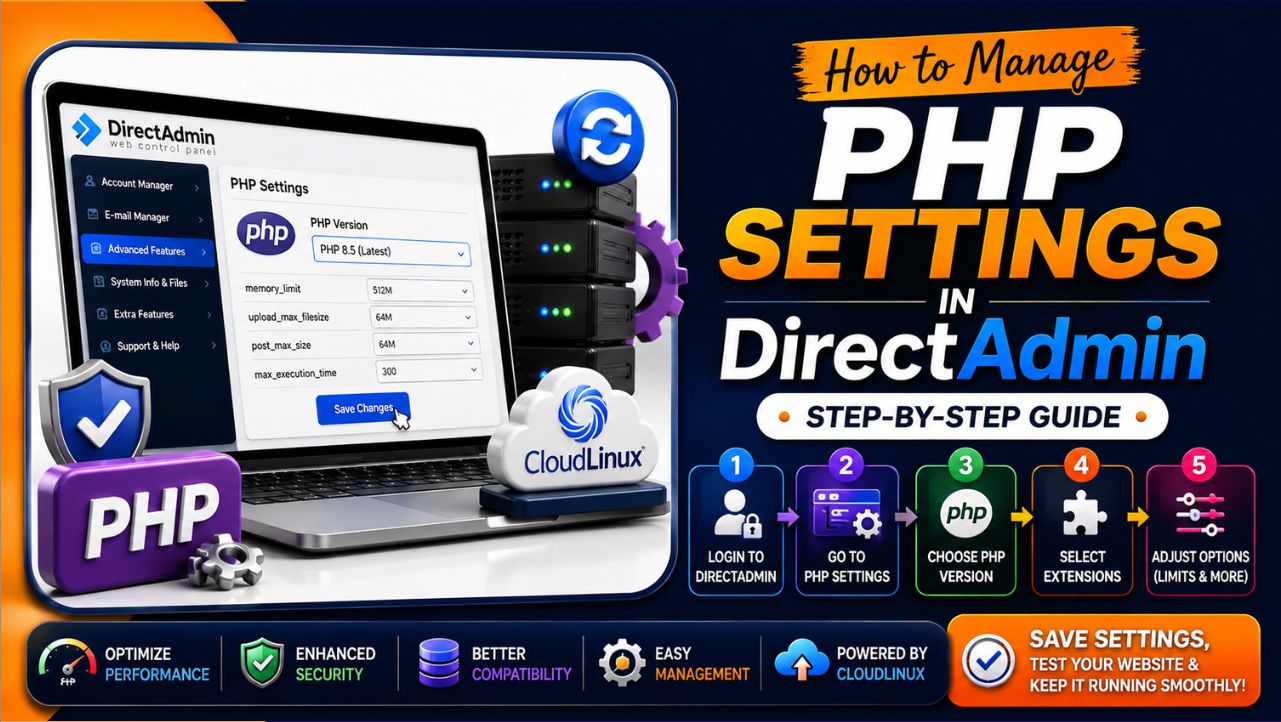
- Check PHP version in MultiPHP Manager (if available); choose a supported version for your app (e.g., WordPress: PHP 8.2+).
- Run SSL/TLS > Manage AutoSSL to issue free SSL certificates.
Manage Files and Your Website
File Manager Basics
Your document root is usually public_html (or the domain’s root listed under Domains). Use File Manager to upload your site, create folders, edit .htaccess, and set permissions. Keep PHP files at 644 and directories at 755 unless your application requires otherwise.
Create Domains and Subdomains
Go to Domains > Create a New Domain (older versions: Addon Domains/Subdomains). Point the domain to the desired document root. If your DNS is external (e.g., Cloudflare), copy the IP (A record) from your account’s General Information panel.
Use FTP or SFTP
Create FTP Accounts to separate access by project or developer. Prefer SFTP via SSH if your host enables it. Limit each FTP account to its folder to minimize risk.
Databases and WordPress Installation
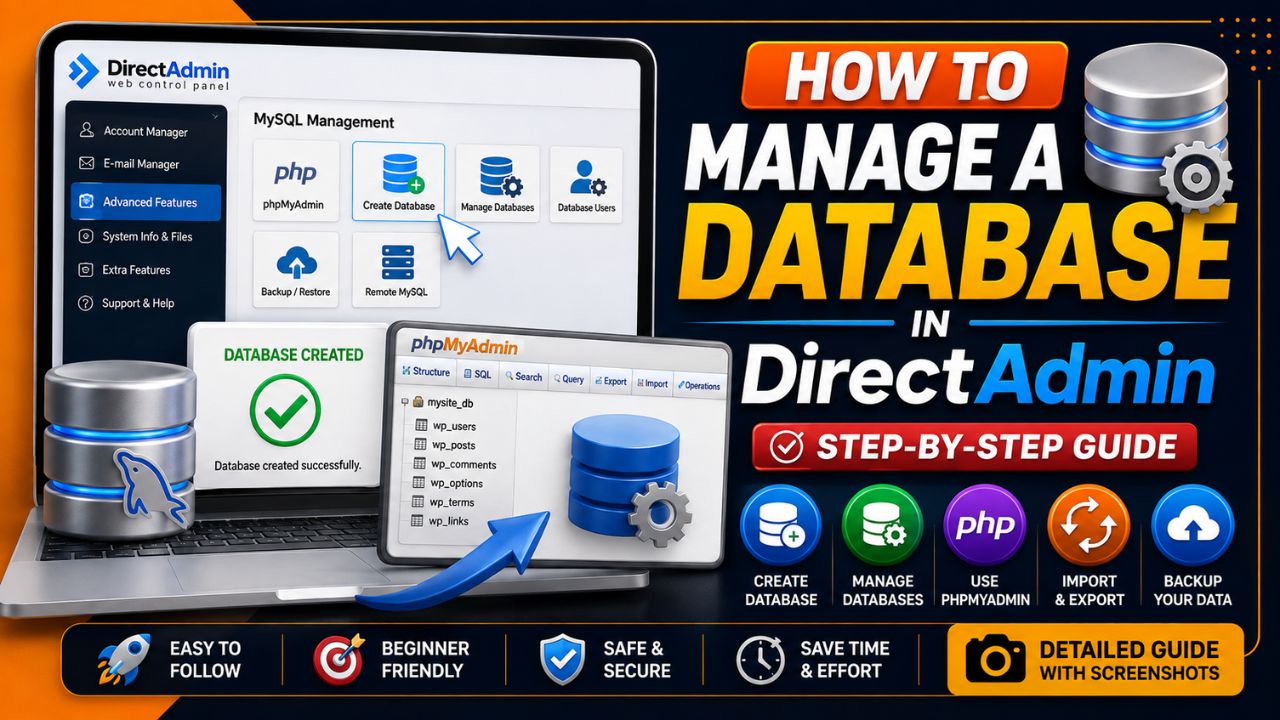
Create MySQL Databases and Users
- Open MySQL® Databases > create a database.
- Create a MySQL user with a strong password.
- Add the user to the database with ALL PRIVILEGES.
- Use phpMyAdmin for imports/exports and direct queries.
Install WordPress (One Click or Manual)
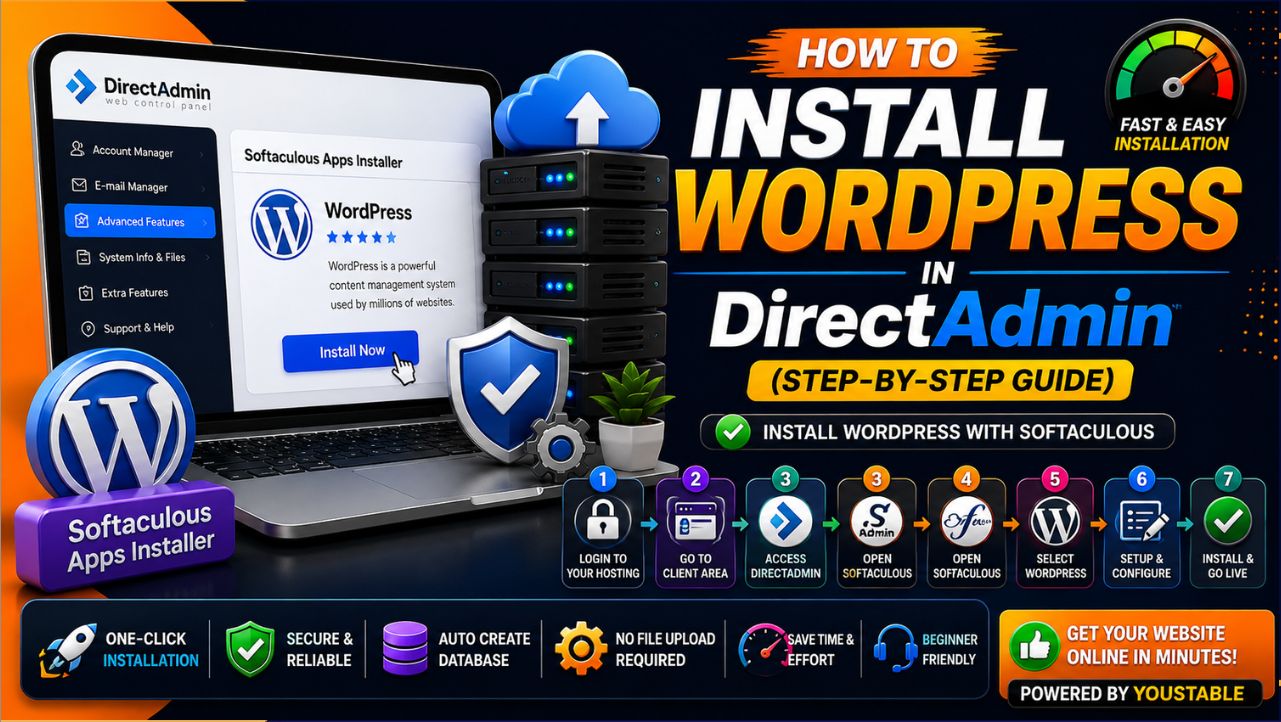
- One Click: If your host provides Softaculous or WordPress Manager, choose domain, set admin credentials, and install.
- Manual: Upload files, create wp-config.php with DB credentials, visit yourdomain.com to finish setup.
After install, verify PHP version compatibility in MultiPHP Manager and enable HTTPS. Consider caching at the application level (e.g., a reputable caching plugin) and make sure you have regular cPanel backups configured.
Email Setup and Deliverability
Go to Email Accounts > Create. Use “Set Up Mail Client” to view auto config files and manual settings. For best deliverability, open Email Deliverability and ensure SPF and DKIM are valid. If using third party transactional services, add their SPF include and verify DKIM per their docs.
Reduce Spam and Bounces
- Enable Spam Filters (Apache SpamAssassin).
- Use Email Routing correctly (Local vs. Remote).
- Set catch all (Default Address) to discard unknown recipients.
- Monitor Track Delivery and Email Disk Usage to avoid full mailboxes.
DNS and Domain Management
If your nameservers point to your cPanel host, use Zone Editor to manage A, CNAME, MX, and TXT records. For external DNS (registrar, Cloudflare), replicate records there. Always allow time for propagation (typically minutes to a few hours).
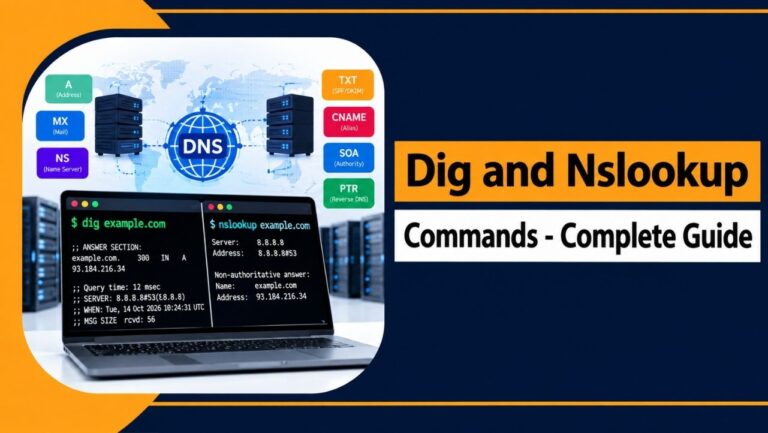
# Basic DNS checks from your terminal
dig +short A yourdomain.com
dig +short CNAME www.yourdomain.com
dig +short MX yourdomain.com
Common records: A for root and subdomains, CNAME for “www”, MX for mail routing, TXT for SPF and verification (Google, Microsoft 365, etc.).
SSL/TLS and Site Security
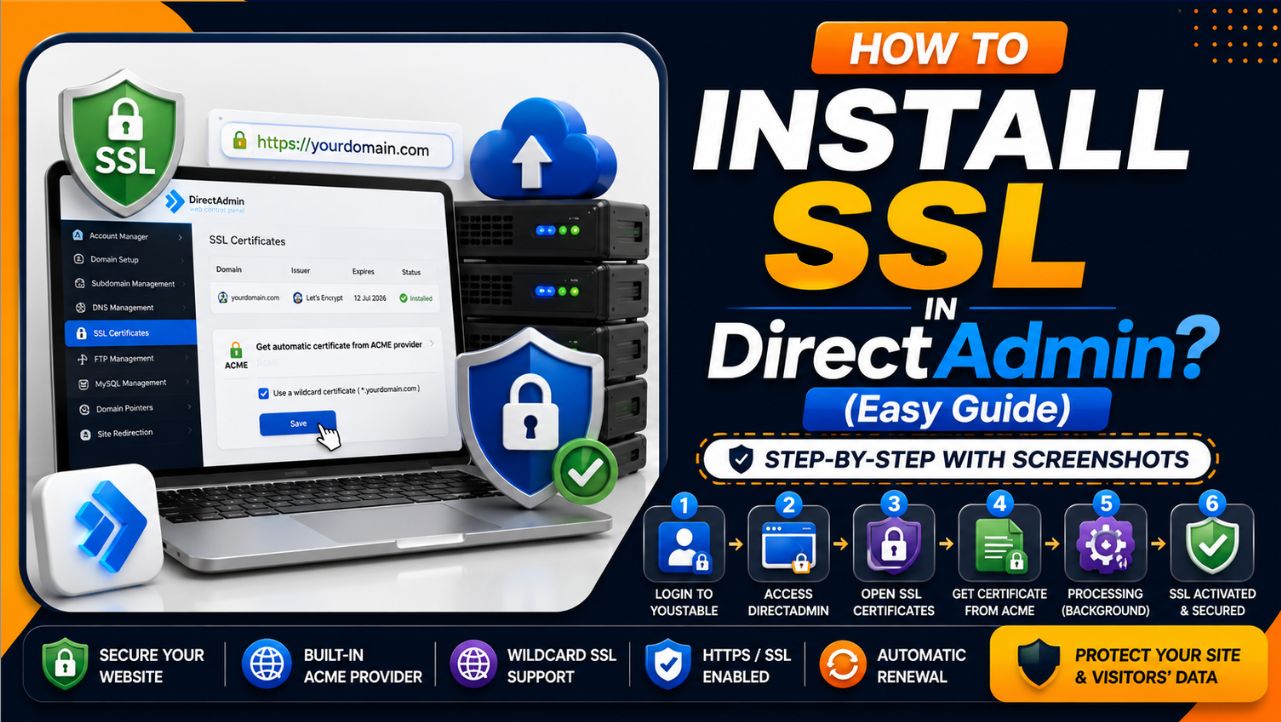
Under SSL/TLS Status or AutoSSL, issue free certificates. To force HTTPS, add these rules in your site’s .htaccess (Apache/LiteSpeed environments):
RewriteEngine On
RewriteCond %{HTTPS} !=on
RewriteRule ^(.*)$ https://%{HTTP_HOST}%{REQUEST_URI} [L,R=301]
Further hardening: enable Two Factor Authentication, use IP Blocker for known bad IPs, turn on Hotlink Protection for images, and password protect sensitive directories with Directory Privacy. Keep CMS/plugins/themes updated.
Backups, Restore, and Migrations
Use Backup Wizard for user level backups. Download full or partial backups (Home Directory, MySQL, Email). Before risky changes (DNS, upgrades), take a fresh backup. To restore, use the same wizard or restore from your host’s automated backups if available.
Moving hosts? Generate a full cPanel backup, download it, and provide it to your new host for a clean restore. At YouStable, our team performs free cPanel to cPanel migrations and verifies DNS, SSL, and email deliverability post move.
Cron Jobs and Automation
Cron Jobs let you schedule tasks like backups or script runs. Use the Common Settings dropdown to start, then refine the schedule and command path.
# Example: run a PHP script every day at 2:15 AM
15 2 * * * /usr/local/bin/php -q /home/USER/public_html/cron/cleanup.php >/dev/null 2>&1
Tip: Direct output to a log during testing, then to /dev/null when stable. Always use absolute paths.
Monitoring and Performance
- Metrics: Check Visitors, Errors, Bandwidth, and Awstats for traffic patterns.
- Errors: Use the Errors tool to quickly spot 404/500 issues.
- Resource Usage: Identify CPU/RAM/IO limits on shared hosting.
- Optimize Website: If available, enable compression (mod_deflate) to reduce payload size.
Common Issues and Quick Fixes
- 500 Internal Server Error: Check file permissions, .htaccess syntax, PHP version compatibility.
- Domain not resolving: Verify A records and propagation, ensure nameservers are correct at your registrar.
- Email not sending: Confirm SMTP ports, SPF/DKIM validity, and that Email Routing is correct.
- SSL not installed: Run AutoSSL, ensure domain points to the server and resolves publicly.
- Disk full: Clean old backups/logs, use Disk Usage to find large directories, increase quota if available.
Best Practices for cPanel on Linux
- Use strong, unique passwords and enable 2FA for cPanel and email.
- Keep regular offsite backups; test restores periodically.
- Lock down file permissions; separate environments (staging vs. production).
- Avoid running outdated PHP versions and insecure plugins/themes.
- Document DNS changes and verify with dig before and after migration.
Choosing the Right Hosting for cPanel
Not all cPanel hosts are equal. Look for SSD/NVMe storage, free SSL via AutoSSL, daily backups, malware scanning, and responsive support. If you want a worry free start, YouStable’s cPanel hosting includes free migrations, performance tuned Linux servers, and human support that understands WordPress, DNS, and email deliverability.
FAQ’s
How do I log in to cPanel without a domain?
Use your server’s IP with port 2083, for example https://123.45.67.89:2083. If your host provides a temporary hostname (like https://server.examplehost.com:2083), you can use that until DNS for your domain is pointed correctly.
Where do I upload my website files in cPanel?
Upload public files to the document root: typically public_html for the main domain, or the path shown under Domains for addon domains and subdomains. Avoid placing web files outside public_html unless you’re storing non public assets above the web root.
Can I install WordPress from cPanel?
Yes. Many hosts provide Softaculous or WordPress Manager inside cPanel for one click installs. If not, you can install manually by uploading WordPress, creating a database in MySQL® Databases, and running the setup wizard at your domain.
How do I enable free SSL (HTTPS) in cPanel?
Open SSL/TLS Status or AutoSSL and run the AutoSSL check. Ensure the domain resolves to your server first. After issuance, force HTTPS via your application’s settings or an .htaccess redirect rule.
What is the difference between cPanel and WHM?
cPanel is the site level control panel for managing files, domains, DNS, email, and databases. WHM is the server/reseller level tool used to create and manage multiple cPanel accounts and handle server wide configurations.u003cbru003eu003cbru003eWith these steps and best practices, you can confidently use cPanel on a Linux server to launch, secure, and scale your websites. If you prefer expert backed hosting, YouStable’s optimized cPanel plans make setup, performance, and support straightforward from day one.