Installing DNS on a Linux server is a fundamental task for system administrators and web developers alike. A Domain Name System (DNS) converts human friendly domain names into IP addresses that computers can understand.
This process is crucial for Internet functionality, allowing users to access websites by typing in easy to remember names rather than complex numerical addresses.
In this guide, we will walk you through the steps of install DNS on Linux server, outlining key definitions, main concepts, best practices, and common mistakes to avoid.
Key Definitions & Importance
Before diving into the installation process, it’s essential to understand a few key terms:
- DNS (Domain Name System): A hierarchical system for naming resources on the Internet.
- Domain Name: A human readable address that directs users to specific resources online.
- DNS Record: Contains information about a domain, including its IP address, mail server, and other data.
- DNS Server: A server that contains a database of public IP addresses and their associated hostnames.
Understanding these terms is vital because a DNS setup is crucial for ensuring that users can access your services efficiently. A reliable DNS service minimizes downtime and optimizes speed, which is essential for both usability and search engine optimization (SEO).
Main Concepts Explained
When it comes to installing DNS on a Linux server, there are several main concepts to grasp:
- Types of DNS Servers: There are authoritative DNS servers that hold the definitive records for domain names, and caching DNS servers that store records from these authoritative sources temporarily to reduce lookup times.
- DNS Zones: A DNS zone contains the mappings between domain names and IP addresses.
- Resource Records: These are specific types of data entries within a DNS zone, such as A (Address), AAAA (IPv6 Address), CNAME (Canonical Name), MX (Mail Exchange), and TXT (Text) records.
Components of a DNS Query
A DNS query consists of several elements that define what the requesting party seeks:
- Query Type: Specifies the type of record being sought, such as A or MX records.
- Domain Name: The human readable name being searched, e.g., example.com.
- Record Class: Typically IN for Internet, indicating the record is intended for Internet resources.
Subtopics on Installing DNS on Linux
Choosing a DNS Server Software
When installing DNS on your Linux server, the first step is to choose the DNS server software. Some popular options include:
- BIND (Berkeley Internet Name Domain): The most widely used DNS software, it is highly configurable and reliable.
- PowerDNS: An alternative that is known for its flexibility and ability to use various backends.
- Unbound: A validating, recursive, and caching DNS resolver, perfect for those needing a lightweight option.
Installation Process
Here is a simplified outline for installing BIND on a Ubuntu Linux server:
sudo apt update
sudo apt install bind9 bind9utils bind9-doc
After installation, it’s essential to enable and start the BIND service:
sudo systemctl enable bind9
sudo systemctl start bind9
Configuring DNS Settings
Once the BIND software is installed, you need to configure it to handle DNS zones for your domain. This involves editing the BIND configuration files located in:
/etc/bind/named.conf.optionsWithin this file, you can set DNS options, such as enabling recursion or setting access control lists. Next, define your zones in:
/etc/bind/named.conf.localFor example, to define a zone for example.com, you would add:
zone "example.com" {
    type master;
    file "/etc/bind/db.example.com";
};
Creating Zone Files
Next, you will need to create a zone file at the specified location:
sudo nano /etc/bind/db.example.comThis file will contain all DNS records pertinent to your domain. Here’s an example of how an A record and a SOA record might look:
$TTL    604800
@       IN      SOA     ns.example.com. admin.example.com. (
                              2         ; Serial
                         604800         ; Refresh
                          86400         ; Retry
                        2419200         ; Expire
                         604800 )       ; Negative Cache TTL
;
@       IN      NS      ns.example.com.
@       IN      A       192.0.2.1
www     IN      A       192.0.2.1
After configuration, make sure to validate your settings:
sudo named-checkconf
sudo named-checkzone example.com /etc/bind/db.example.com
Once validated, restart the BIND service to apply changes:
sudo systemctl restart bind9Best Practices
Adhering to best practices can help ensure that your DNS server operates efficiently and securely:
- Regular Backups: Always back up configuration and zone files before making changes.
- Use DNSSEC: Implement DNS Security Extensions (DNSSEC) to protect against cache poisoning and ensure the authenticity of your DNS responses.
- Monitor DNS Traffic: Employ tools to monitor DNS queries and responses, detecting malicious activities early.
- Limit Zone Transfers: Restrict access to zone transfers to authorized IP addresses only.
Common Mistakes & Fixes
Even experienced administrators can make mistakes during installation and configuration. Here are some common issues and their fixes:
- Typos in Configuration Files: Always double check for syntax errors and validate configuration files before restarting the service.
- Incorrect Permissions: Ensure that all files in the BIND directory have the correct permissions and ownership. Using commands like
chmodandchowncan help rectify permission errors. - Firewall Rules Blocking DNS: Make sure your server’s firewall allows traffic on port 53, which is essential for DNS.
- Not Restarting the Service: Any changes in configuration require the DNS service to be restarted to take effect.
FAQs
What Linux distributions support DNS installation?
Most distributions, including Ubuntu, CentOS, and Debian, support DNS server installations.
Can I run a DNS server on a VPS?
Yes, a Virtual Private Server (VPS) is an excellent option for setting up a DNS server.
How often should I back up my DNS server?
Regularly back up your DNS server, especially before making significant changes. Weekly backups are a good practice.
Is DNSSEC necessary?
While not mandatory, DNSSEC is highly recommended for securing your DNS and preventing attacks.
Will my website go down if I misconfigure my DNS?
Yes, misconfiguration can lead to downtime. Always validate configurations before restarting the DNS service.
How can I test my DNS server?
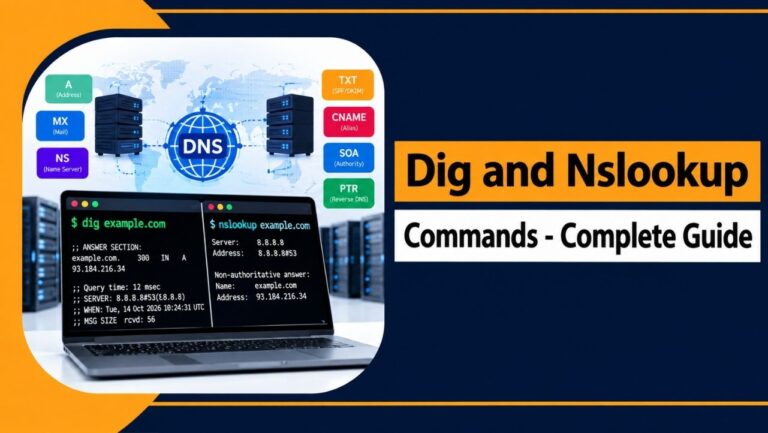
Use tools like dig or nslookup to check the functionality and records of your DNS server.
Conclusion
Installing DNS on your Linux server is a significant step toward enhancing your web services‘ accessibility and reliability. By adhering to best practices and avoiding common mistakes, you can effectively manage your DNS setup.
Whether you are running a small personal website or managing enterprise level services, a well configured DNS will improve performance and user experience. Start implementing these steps today and secure your domain for a better future.