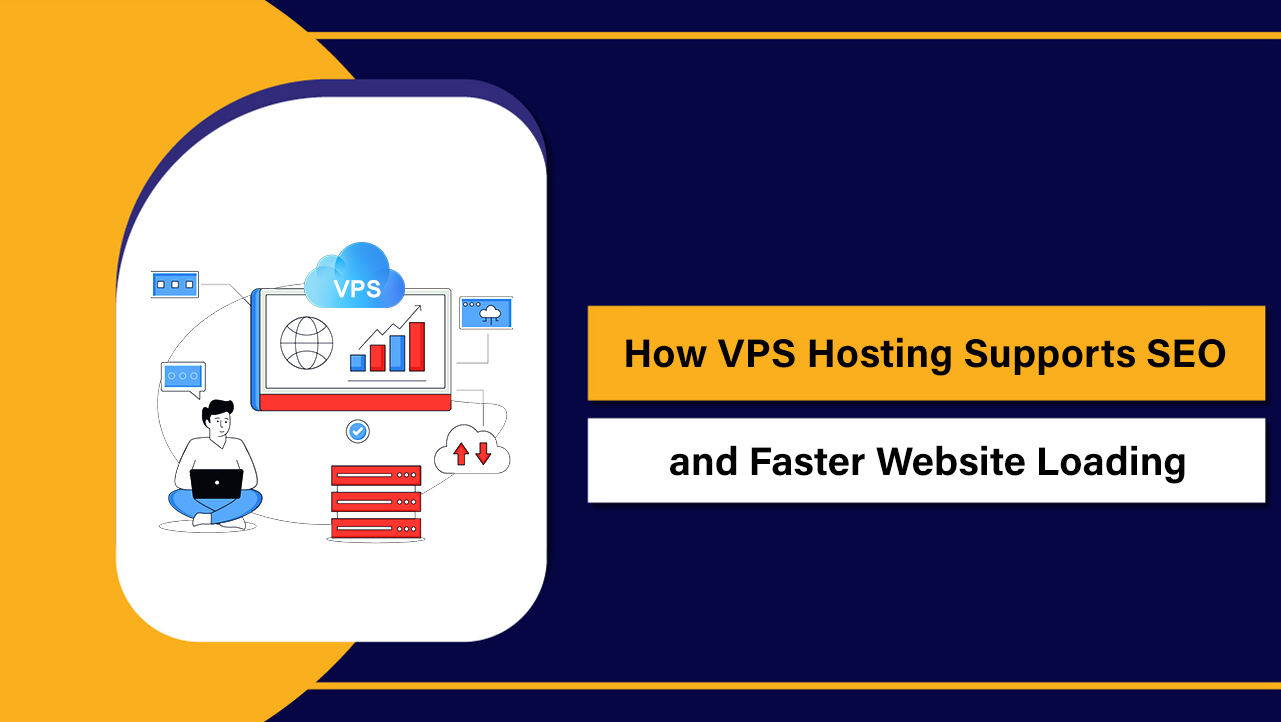
VPS hosting supports SEO by delivering faster, more consistent performance than shared hosting. With dedicated CPU, RAM, and NVMe storage, VPS reduces server response time (TTFB), boosts Core Web Vitals, improves uptime, and handles traffic surges—factors that influence rankings, crawl efficiency, and conversions.
It also enables advanced caching, security, and server tuning unavailable on shared plans. If you’re wondering how VPS hosting supports SEO and faster website loading, the answer is simple: control and consistency. On a WordPress site those gains come fastest from WordPress VPS hosting tuned for PHP and caching.
As a hosting engineer and SEO strategist, I’ve seen sites jump from sluggish, inconsistent speeds to stable sub-second loads just by moving to a properly configured VPS. Let’s break down why it works and how to implement it the right way.
What is VPS Hosting and Why It Matters for SEO
VPS (Virtual Private Server) hosting splits a powerful server into isolated virtual environments. Unlike shared hosting, your CPU, RAM, storage, and kernel parameters aren’t noisy-neighbor dependent. You get dedicated resources, root-level control, and the freedom to install performance stacks that directly influence SEO and page speed.
- Shared hosting: Cheapest, but variable performance and limited control.
- VPS hosting: Dedicated resources, isolation, configurability, and predictable speed.
- Dedicated server: Full machine, maximum control and cost; often overkill for growing sites.
For most SMBs, content sites, and growing eCommerce stores, VPS is the performance sweet spot: enough power to meet SEO needs without the complexity and cost of dedicated hardware.
Why Speed and Stability Influence SEO
Google’s systems reward fast, usable pages. While “page experience” isn’t a single ranking signal, speed impacts crawling, user behavior signals, and conversion—inputs that correlate strongly with better rankings.
- Core Web Vitals: LCP (loading), CLS (visual stability), and INP (interactivity). Faster servers reduce LCP and TTFB, making CWV easier to pass.
- TTFB: A key bottleneck for every request. Lower TTFB improves render start and LCP.
- Crawl budget: Faster responses let Googlebot crawl more URLs within the same budget.
- Uptime: Consistent availability prevents ranking drops and crawl errors.
In practical terms, moving from shared to VPS often cuts TTFB by 40–70% and stabilizes load times under real traffic—especially vital during campaigns or seasonal peaks.
How VPS Hosting Delivers Faster Website Loading
1. Dedicated Resources and Isolation
With VPS, your CPU, RAM, and disk I/O are reserved. No “noisy neighbor” scripts from other accounts. This consistency keeps TTFB and backend processing times stable even under concurrent traffic.
2. NVMe SSD Storage
NVMe drives dramatically accelerate random reads/writes versus SATA SSDs. Databases and PHP sessions load faster, improving server response and time to first byte for dynamic pages like WordPress and WooCommerce.
3. Optimized Web Server Stack (LiteSpeed/NGINX + PHP-FPM)
Modern stacks handle concurrent requests efficiently. LiteSpeed or NGINX outperforms default Apache in high-concurrency scenarios. PHP-FPM with OPcache reduces CPU cycles and speeds up PHP execution for WordPress and apps.
4. HTTP/2 and HTTP/3 (QUIC)
Multiplexing, header compression, and fewer round trips speed asset delivery on slow or mobile networks. With VPS, you can enable HTTP/2/3, TLS 1.3, and modern ciphers for best results.
5. Server-Level Caching and Object Caching
Full-page caching (LiteSpeed Cache/NGINX microcache) and object caching (Redis/Memcached) can reduce PHP/MySQL load by 50–90% and cut response times dramatically for returning users and high-traffic pages.
6. Brotli/Gzip Compression and Image Optimization
Server-enabled compression and WebP/AVIF formats reduce transfer sizes. Combined with caching headers, you decrease LCP and overall load time, improving both SEO and UX metrics.
SEO Benefits of VPS Beyond Raw Speed
- Higher Uptime: SLA-backed uptime prevents crawl failures and ranking volatility.
- Better Crawlability: Faster responses and stable bandwidth let bots cover more URLs.
- Security Control: Custom WAF rules, rate limiting, and isolation reduce malware risks that harm SEO.
- Custom Configuration: Tune keep-alives, buffers, PHP workers, and DB configs to match your workload.
- Scalability: Scale vertical resources or add vCPUs/RAM quickly during campaigns.
These advantages are hard to achieve on shared hosting where you can’t access low-level performance controls or guarantee resource allocation.
Practical VPS Setup for Better SEO (Config Examples)
Below is a lightweight NGINX sample that demonstrates fast defaults: HTTP/2, Brotli/Gzip, caching headers, and security basics. Adapt paths and certificates to your environment.
# /etc/nginx/nginx.conf (snippet)
worker_processes auto;
events { worker_connections 4096; multi_accept on; }

http {
  sendfile on; tcp_nopush on; tcp_nodelay on;
  keepalive_timeout 30; keepalive_requests 1000;
  server_tokens off;

  # Compression
  gzip on; gzip_comp_level 6; gzip_min_length 1024;
  gzip_types text/plain text/css application/javascript application/json image/svg+xml;
  # Use Brotli if built/installed
  brotli on; brotli_comp_level 5;
  brotli_types text/plain text/css application/javascript application/json image/svg+xml;

  # TLS (requires certs)
  ssl_protocols TLSv1.2 TLSv1.3;
  ssl_prefer_server_ciphers on;

  include /etc/nginx/conf.d/*.conf;
}

# /etc/nginx/conf.d/site.conf (snippet)
server {
  listen 443 ssl http2;
  server_name example.com www.example.com;
  root /var/www/example.com/public;

  # HSTS (enable after confirming HTTPS works everywhere)
  add_header Strict-Transport-Security "max-age=31536000; includeSubDomains; preload" always;

  # Static cache
  location ~* .(?:css|js|woff2?|ttf|eot|ico|svg|gif|jpg|jpeg|png|webp|avif)$ {
    expires 30d;
    add_header Cache-Control "public, max-age=2592000, immutable";
  }

  # Microcaching for dynamic pages (optional)
  proxy_cache_path /var/cache/nginx levels=1:2 keys_zone=microcache:10m max_size=1g inactive=60m;
  location / {
    try_files $uri $uri/ /index.php?$args;
  }
  location ~ .php$ {
    include fastcgi_params;
    fastcgi_param SCRIPT_FILENAME $document_root$fastcgi_script_name;
    fastcgi_pass unix:/run/php/php8.2-fpm.sock;
    fastcgi_buffers 16 16k;
    fastcgi_read_timeout 60;
  }
}
For WordPress, pair this with Redis object cache, OPcache enabled, and a full-page cache plugin compatible with your web server (e.g., LiteSpeed Cache on LiteSpeed/OpenLiteSpeed or an NGINX microcache pattern).
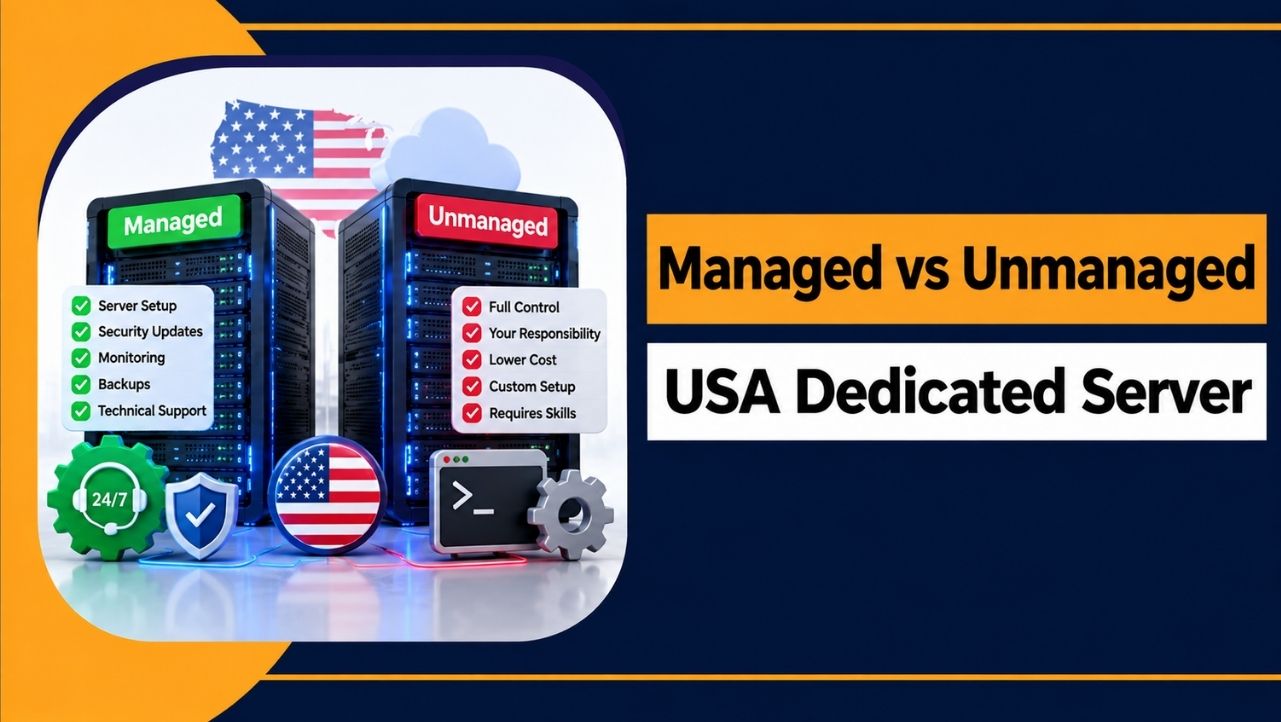
Managed vs Unmanaged VPS for SEO
Managed VPS
- Best for: Site owners who want performance but not server admin work.
- Pros: 24/7 monitoring, patching, backups, stack tuning, security hardening.
- Cons: Slightly higher cost, less DIY control (but usually configurable).
Unmanaged VPS
- Best for: DevOps teams or technical users comfortable with Linux.
- Pros: Full control, custom kernels/builds, lowest cost.
- Cons: You handle security, updates, and troubleshooting—riskier for business-critical SEO.
From an SEO standpoint, managed VPS often wins because consistent performance, uptime, and rapid incident response matter more than small cost savings.
When to Upgrade from Shared Hosting to VPS
- Traffic Surges: Campaigns or seasonality cause timeouts or slow backend.
- Poor TTFB: Consistently > 500 ms even after site-level optimization.
- Failing Core Web Vitals: LCP hover around 2.5–4 s on mobile despite image/CSS/JS fixes.
- Rate Limits: Hosts throttle you for resource usage or cron jobs.
- Security/Control Needs: Custom firewall, custom PHP modules, or advanced caching.
If two or more apply, a VPS is likely the right next step.
How to Measure SEO Impact After Moving to VPS
- Google Search Console: Crawl stats (host load, response times), index coverage, and Core Web Vitals.
- PageSpeed Insights: Field data (CrUX) and lab metrics; watch LCP, INP, CLS.
- WebPageTest: Filmstrips and waterfall; compare TTFB, start render, and CDN effectiveness.
- Server Monitoring: CPU, RAM, disk I/O, PHP workers, DB latency; alert before bottlenecks impact users.
- Analytics: Bounce rate, time on page, conversions—business KPIs that reflect UX improvements.
Benchmark before and after migration, then iterate: adjust PHP workers, tune the DB, refine cache TTLs, and enable HTTP/3 if your edge/CDN supports it.
YouStable VPS: Built for Speed, SEO, and Peace of Mind
As a hosting company focused on practical performance, YouStable offers managed VPS plans engineered for Core Web Vitals, steady TTFB, and real-world reliability. Our team migrates your site, configures caching, and monitors uptime so you can focus on growth.
- NVMe-powered VPS: Faster disk I/O for databases, sessions, and dynamic pages.
- Optimized Stack: LiteSpeed/NGINX, PHP-FPM with OPcache, Redis object caching.
- HTTP/2/3 + TLS 1.3: Modern protocols for faster delivery on all networks.
- Free Migrations: Lossless, SEO-safe moves with zero or minimal downtime.
- Daily Backups & Snapshots: Restore points for resilience and testing.
- 24/7 Security & DDoS Mitigation: Protection that keeps rankings steady.
- Global Datacenters + CDN Add-ons: Low latency near your audience.
Check current plans and pricing on YouStable.com, and ask our engineers for a Core Web Vitals–focused setup tailored to your CMS and traffic profile.
Actionable Tips to Extract Maximum SEO Value from Your VPS
- Tune PHP workers: Match workers to CPU and traffic to avoid 502/queue delays.
- Enable full-page caching: Use LiteSpeed Cache or microcaching on NGINX for anonymous traffic.
- Add Redis: Cache database queries and transients to cut response time.
- Compress and optimize media: WebP/AVIF images and preloading critical assets.
- Use a CDN: Offload static assets; keep origin lean and fast.
- Secure and update: Patch OS, PHP, and plugins to prevent malware and downtime.
- Monitor: Track TTFB, LCP, INP, uptime, and error rates; alert on anomalies.
FAQs
1. u003cstrongu003eIs VPS hosting good for SEO?u003c/strongu003e
Yes. u003ca href=u0022https://www.youstable.com/blog/dedicated-server-vs-vps/u0022u003eVPS provides dedicatedu003c/au003e resources and control that reduce TTFB, improve Core Web Vitals, and stabilize uptime—factors that positively influence crawling, user engagement, and rankings compared to shared hosting.
2. u003cstrongu003eHow does TTFB affect rankings?u003c/strongu003e
High TTFB slows rendering and harms LCP and user experience. While not a single “magic” factor, lower TTFB typically yields better crawl efficiency, stronger Core Web Vitals, and improved SEO outcomes.
3. u003cstrongu003eDo I need a managed VPS for WordPress SEO?u003c/strongu003e
If you’re not comfortable tuning servers, a managed VPS is ideal. You’ll get stack optimization, updates, backups, and monitoring that maintain fast, reliable performance essential for SEO and conversions.
4. u003cstrongu003eCan a VPS alone fix Core Web Vitals?u003c/strongu003e
No single change guarantees a pass. A VPS fixes server-side delays, but you also need front-end optimization: critical CSS, efficient JS, image optimization, and a CDN. Together, these deliver the best results.
5. u003cstrongu003eWhen should I switch from shared hosting to VPS?u003c/strongu003e
Switch when you see slow TTFB (u003e 500 ms), fail Core Web Vitals despite site optimizations, face throttling or downtime, or run high-concurrency apps like WooCommerce or membership sites.